A recent SEJ analysis reveals that ChatGPT, Gemini and Claude now command roughly 78% of AI‑search citations, while Perplexity’s share has slipped to about 5%. Business owners should concentrate their AI‑visibility efforts on the three dominant models, but retain a modest presence on niche tools for highly specialized queries.

Even if your site lands on Google’s first page, large language models may still favor competitors in their responses. This article explains why AI citations stem from a distinct set of trusted domains and offers practical steps to secure your brand’s presence in AI‑driven answers.

AI-driven discovery is transforming how consumers find storefronts and local brands. While Google's AI Mode and conversational Gemini layer capture user attention directly in search results, traditional organic search still supplies the bulk of raw traffic. To stay competitive, business owners must combine classic SEO foundations with structured, citation-rich content built for AI models.
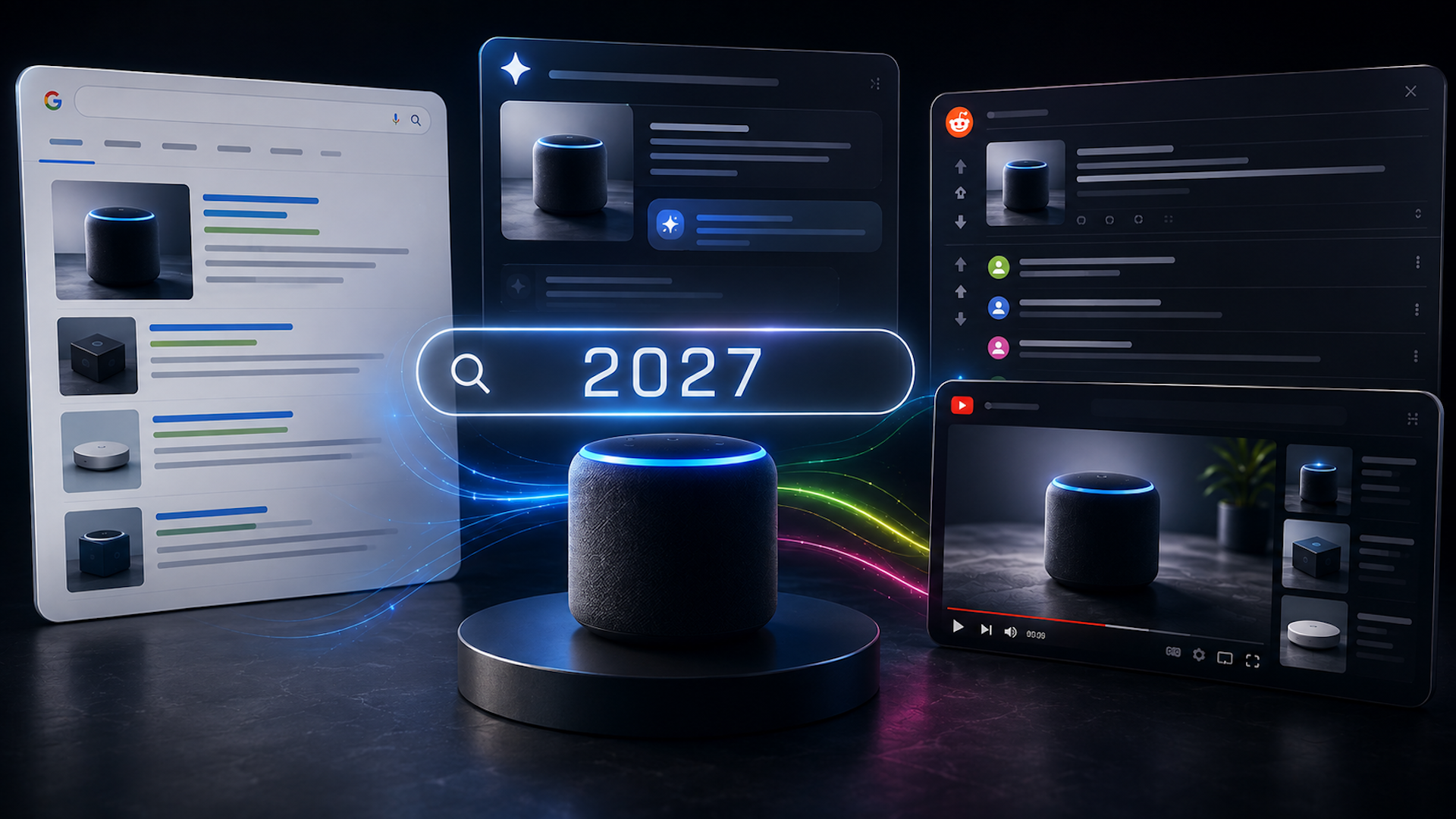
Somantra’s latest AEO and GEO metrics suite extends AI search visibility measurement beyond simple citation counts, introducing Brand Mindshare, Brand Consideration, and Brand Engagement scores that capture whether AI assistants recommend a brand or merely mention it. The platform now covers major AI engines—including ChatGPT, Google AI, Claude, Gemini, and Perplexity—helping businesses identify where their brands truly resonate in multi‑turn conversations.

The article explains why traditional SEO tools miss a growing visibility gap in generative‑AI answers and offers a practical framework for choosing the right AI visibility platform. It outlines key metrics, outcome‑oriented categories, and a step‑by‑step process for local businesses to identify, fix, and measure AI‑driven brand exposure. By adopting a data‑driven tool, marketers can ensure their brand appears in trusted AI responses and drive qualified traffic beyond classic SERPs.
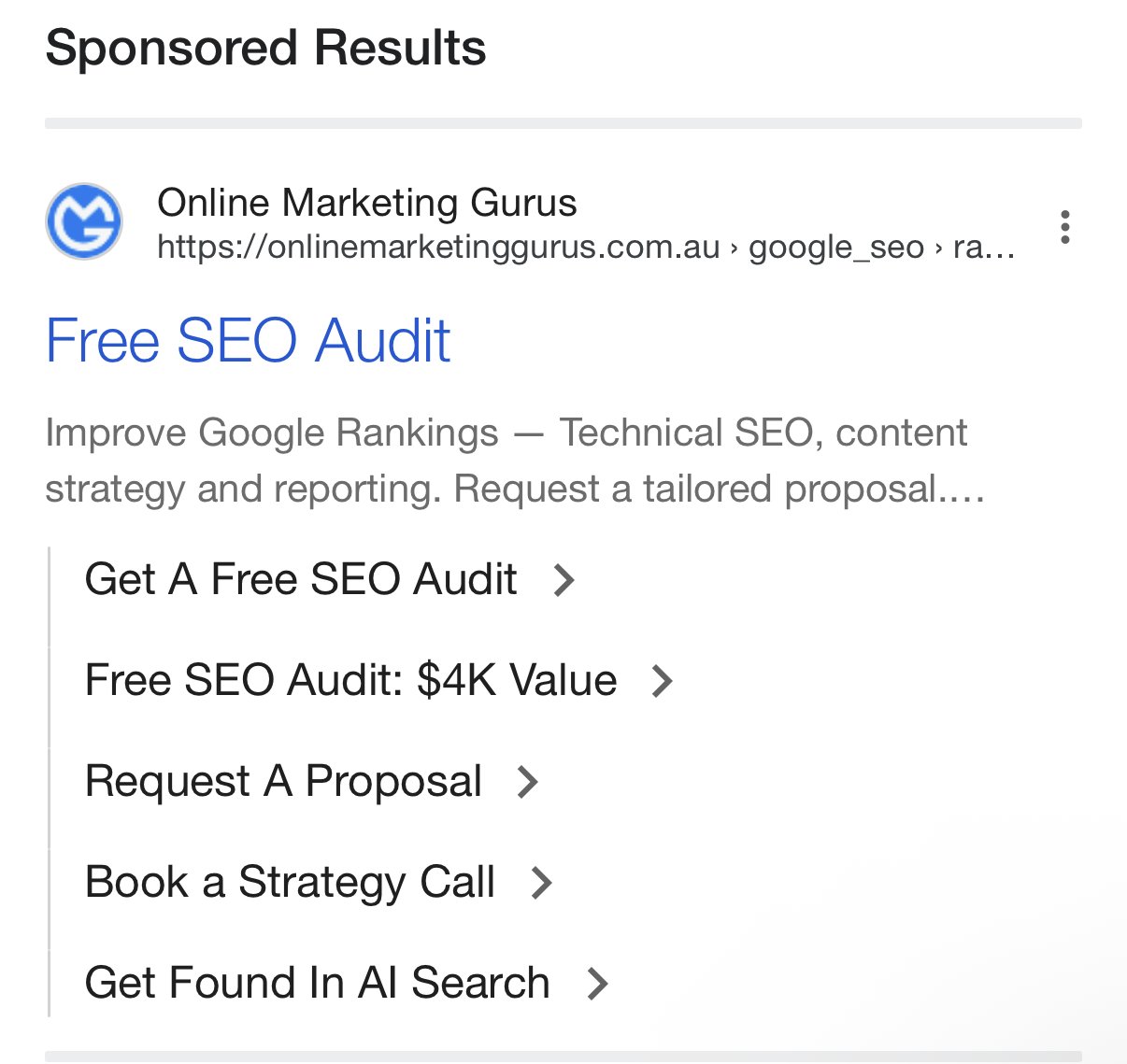
Google is testing a new sitelink layout that lists links line‑by‑line with a subtle left‑hand separator on mobile. The change aims to simplify navigation and may increase click‑through rates, especially for local businesses. Keep an eye on how the experiment unfolds to adjust your local SEO strategy accordingly.
Google’s September 28, 2026 Search Engine Roundtable announced a full‑scale rollout of its AI‑First Search, putting structured data at the forefront and launching an AI‑driven Citation Engine. To stay visible in AI‑powered assistants, local businesses must adopt schema markup, keep citations pristine, and label any AI‑generated copy.
Somantra has introduced a new metrics suite designed to measure AI search visibility. This tool distinguishes between brands that are merely mentioned by AI engines and those that are actively recommended. Additionally, it features a Brand Mindshare Score to track overall share of voice in these emerging search environments.
Google’s new AI visibility metrics give local businesses a clear, 0‑to‑100 score that reflects how well they appear in ChatGPT and Google AI searches. By weighting citations, schema markup, and user‑experience signals, the update lets owners optimize for conversational search and capture traffic that traditional SERPs miss.
Google is piloting a redesign of its AI Overviews that moves citation cards from the right sidebar to the bottom of the answer pane. By placing sources directly under the AI‑generated response, the test could raise click‑through rates for local businesses that appear as citations, prompting a fresh look at citation and schema tactics.
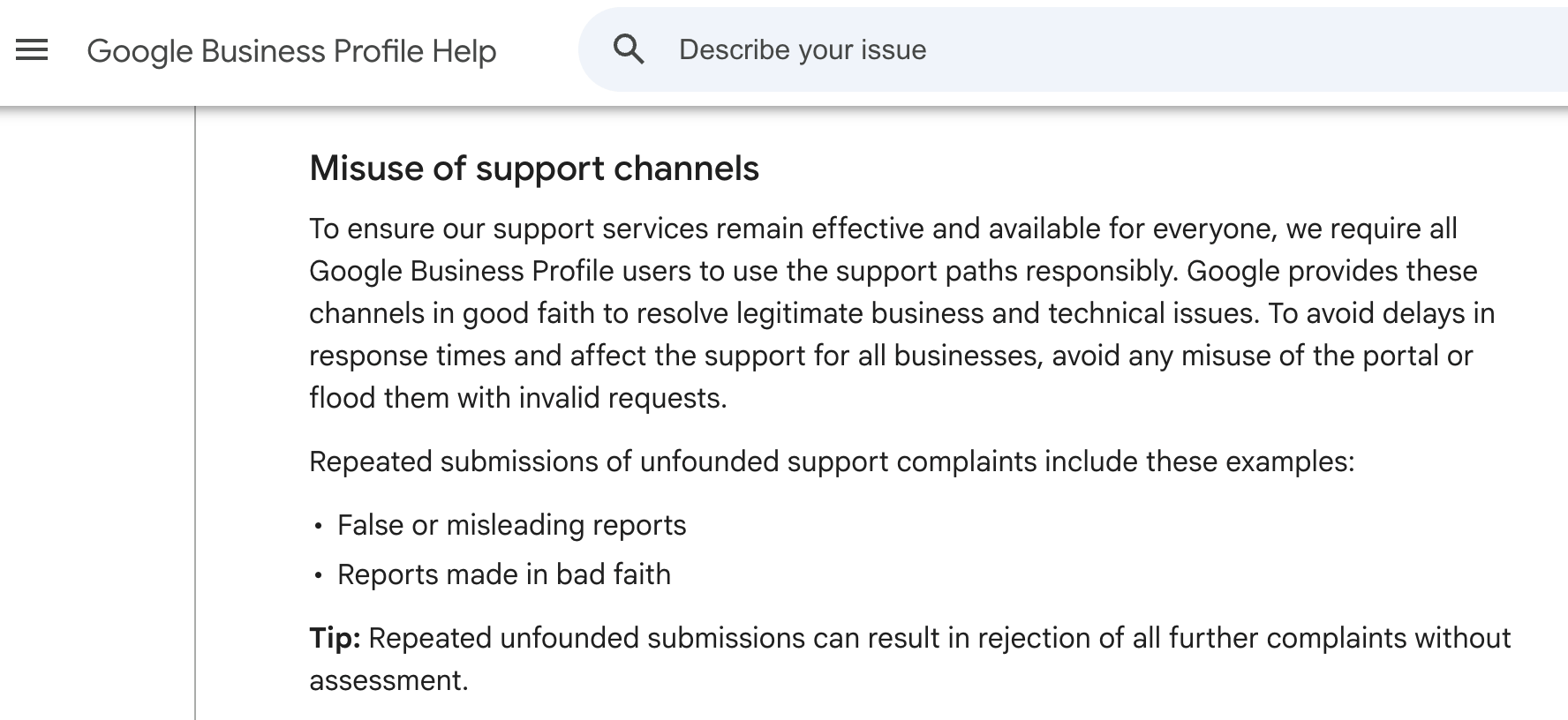
Google has rolled out a new 'Misuse of support channels' policy for Business Profiles aimed at curbing false and bad‑faith support requests. This change impacts local SEO strategies and AI discovery, as accurate listings are essential for visibility in tools like ChatGPT and Perplexity. We break down the policy’s specifics, enforcement measures, and actionable steps for business owners to maintain compliance.
Google and OpenAI have rolled out new AI search visibility metrics that will significantly impact how local businesses are represented in AI-powered assistants. These metrics empower you to enhance your presence in ChatGPT, Google AI, and similar emerging search tools.
Google has moved its AI citation cards from the right side of search results to the bottom of AI Overviews, a change that could lower the visibility and click‑through rates for local businesses. VisibilityAI can help you monitor and optimize your citations to stay discoverable in the new layout.
Google added a “Misuse of support channels” clause to its Business Profiles policy on September 29, 2026, warning that false or malicious support requests can lead to suspension. The change forces local businesses to keep support interactions genuine, protecting both response times and AI‑driven visibility.
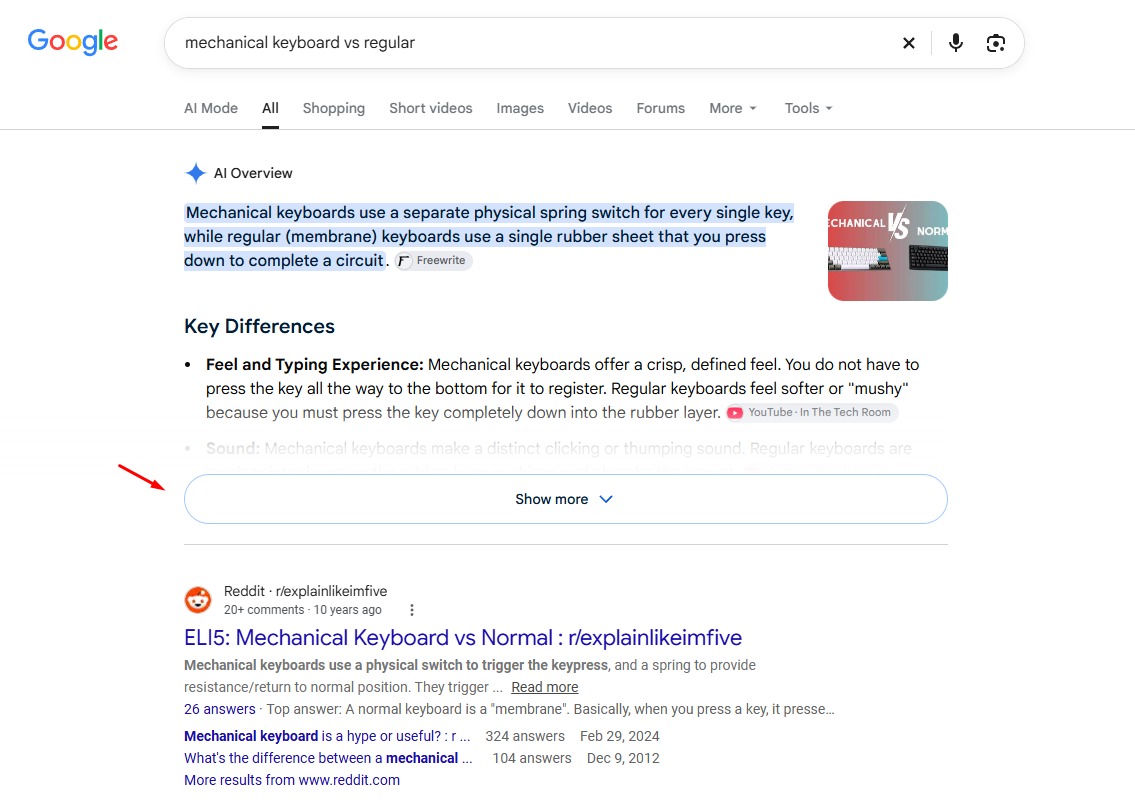
Google is currently testing a redesigned layout for its AI Overview feature, moving citation cards to the bottom of the response on desktop devices. This change could significantly impact how local businesses are displayed in AI-driven search results, emphasizing the importance of visibility and a robust citation strategy.
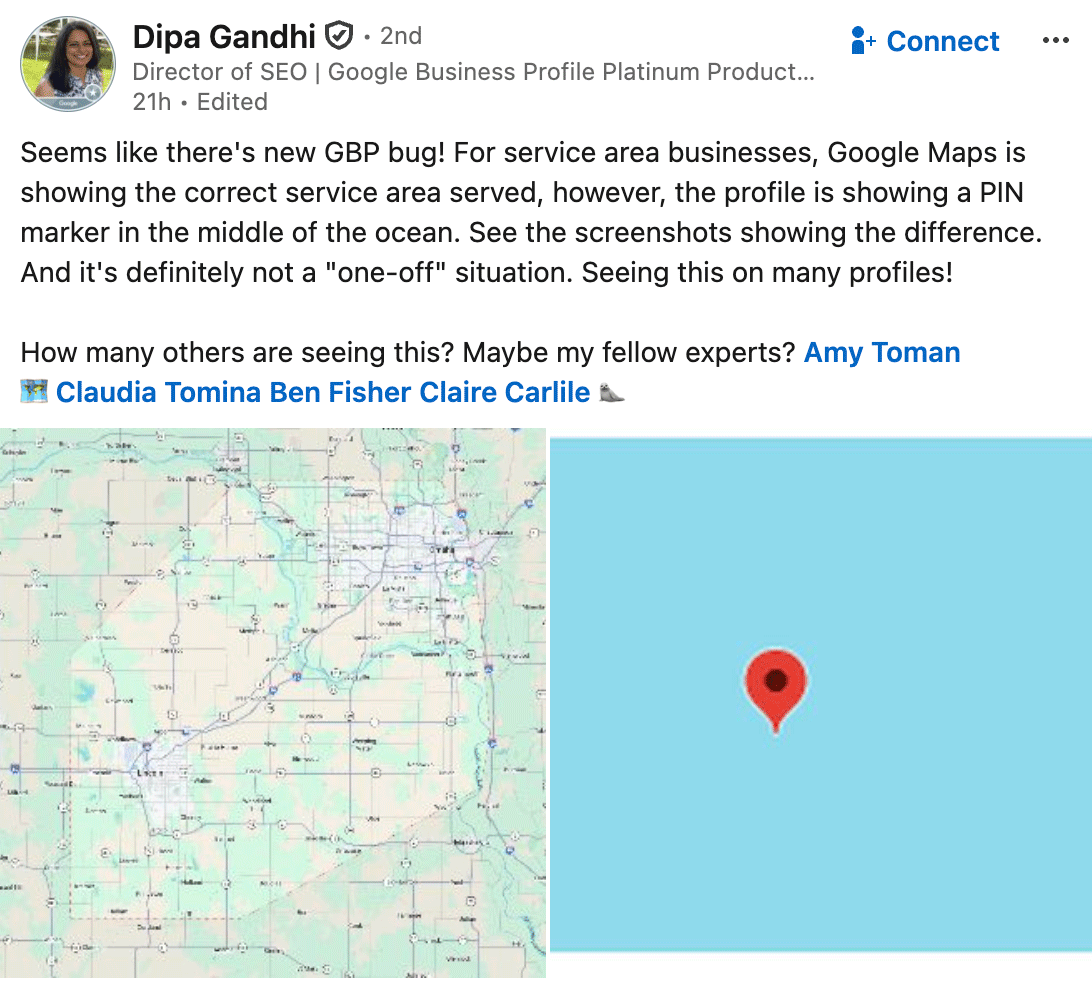
A newly discovered bug in Google Business Profiles is sending map pins for service‑area businesses without public addresses to the middle of the ocean, making them invisible to customers and AI assistants. The article explains who is affected, why it happens, and how to correct the issue to protect local visibility.

Google unveiled its next-gen AI search roadmap in a recent webinar, highlighting how generative models will reshape local discovery. Business owners can now apply five proven fixes—from structured data to review management—to stay ahead and boost AI‑driven visibility.
Google’s latest AI search roadmap reveals how local businesses can stay ahead with five actionable fixes. Learn how to optimize citations, schema, and voice content for AI assistants.
A new Google Maps bug is placing pins for service‑area businesses in the ocean, jeopardizing local visibility and AI‑driven citations. The issue affects businesses that hide their street address, and it can confuse AI assistants that rely on Google Maps data. Quick verification, reporting, and the right tools can keep your listing anchored on land.
Somantra’s latest AEO and GEO metrics suite extends AI search visibility measurement beyond simple citation counts, introducing Brand Mindshare, Brand Consideration, and Brand Engagement scores that capture whether AI assistants recommend a brand or merely mention it. The platform now covers major AI engines—including ChatGPT, Google AI, Claude, Gemini, and Perplexity—helping businesses identify where their brands truly resonate in multi‑turn conversations.
Google’s September spam update delivered a sharp blow to local listings, flagging duplicate citations and low‑quality backlinks. Businesses that act quickly—removing spammy links, standardizing NAP data, and publishing fresh content—can rebound within days. VisibilityAI’s real‑time monitoring helps owners stay ahead of future penalties.
A DesignRush survey shows that 95% of ChatGPT users still turn to Google for the same queries, confirming that AI chat tools complement rather than replace traditional search. For businesses, this means SEO must work not only for Google but also for emerging AI assistants like ChatGPT, Perplexity, and Gemini.
Admiral Media’s test shows that visitors arriving from ChatGPT convert 4.6 × more often than those coming from Google, thanks to answer‑engine optimization (AEO). Small businesses can adopt the same tactics to capture higher‑intent AI traffic and generate more leads and citations.
A fresh DesignRush study shows that even as AI chatbots grow in popularity, 95% of users still rely on Google to complete their searches. This "hybrid search" reality means businesses must invest in both AI-friendly and traditional SEO strategies. Ignoring either channel risks losing visibility and customer trust.
Google introduced the first Creative Drop, showcasing Gemini Omni—an AI‑driven engine built into Asset Studio that creates on‑brand, multi‑format video ads from a simple text prompt, letting small businesses produce polished videos without hiring a production crew.
Get the top AI-search and GEO stories in your inbox once a day, no spam.