
Minuttia’s latest study reveals that between one‑third and one‑half of the software recommendation lists cited by Google and AI assistants are written by the vendors themselves. With 87 % of those pages ranking their own product first—and only 16 % revealing authorship—buyers may overlook independent options. Business owners must therefore create unbiased, data‑rich content and build authority to secure a spot in AI‑driven search results.
A recent Minuttia study found that up to half of the software lists cited by AI assistants are authored by the vendors themselves, most of which rank the vendor’s own product first and rarely disclose authorship. The findings underscore the growing influence of self‑promotional content on AI search results and highlight the need for small businesses to prioritize transparent, high‑quality, and structured content to compete.
A new Minuttia study reveals that up to 50% of AI‑generated “best tools” lists are authored by the vendors themselves, often ranking their own products first. For local businesses, this bias can mean missed visibility and fewer citations in the AI search ecosystem. The article explains the findings, why they matter, and actionable steps to stay discoverable.
Minuttia’s October 2026 study shows that 34‑47 % of AI‑generated “best tools” listicles are written by the vendors themselves, a figure that climbs to 56‑65 % for comparison lists. With 87 % of these vendor‑authored lists placing the vendor first and only 16 % revealing authorship, local businesses risk being sidelined by AI search engines. The article explains the implications for visibility and offers tactics to counteract the bias.
A new Minuttia study shows that between one‑third and one‑half of the “best tools” lists AI assistants and Google surface are authored by the vendors themselves. For comparison questions the percentage jumps to 56‑65 %, and 87 % of these vendor‑written lists place the vendor’s product at the top—yet only 16 % disclose their authorship.
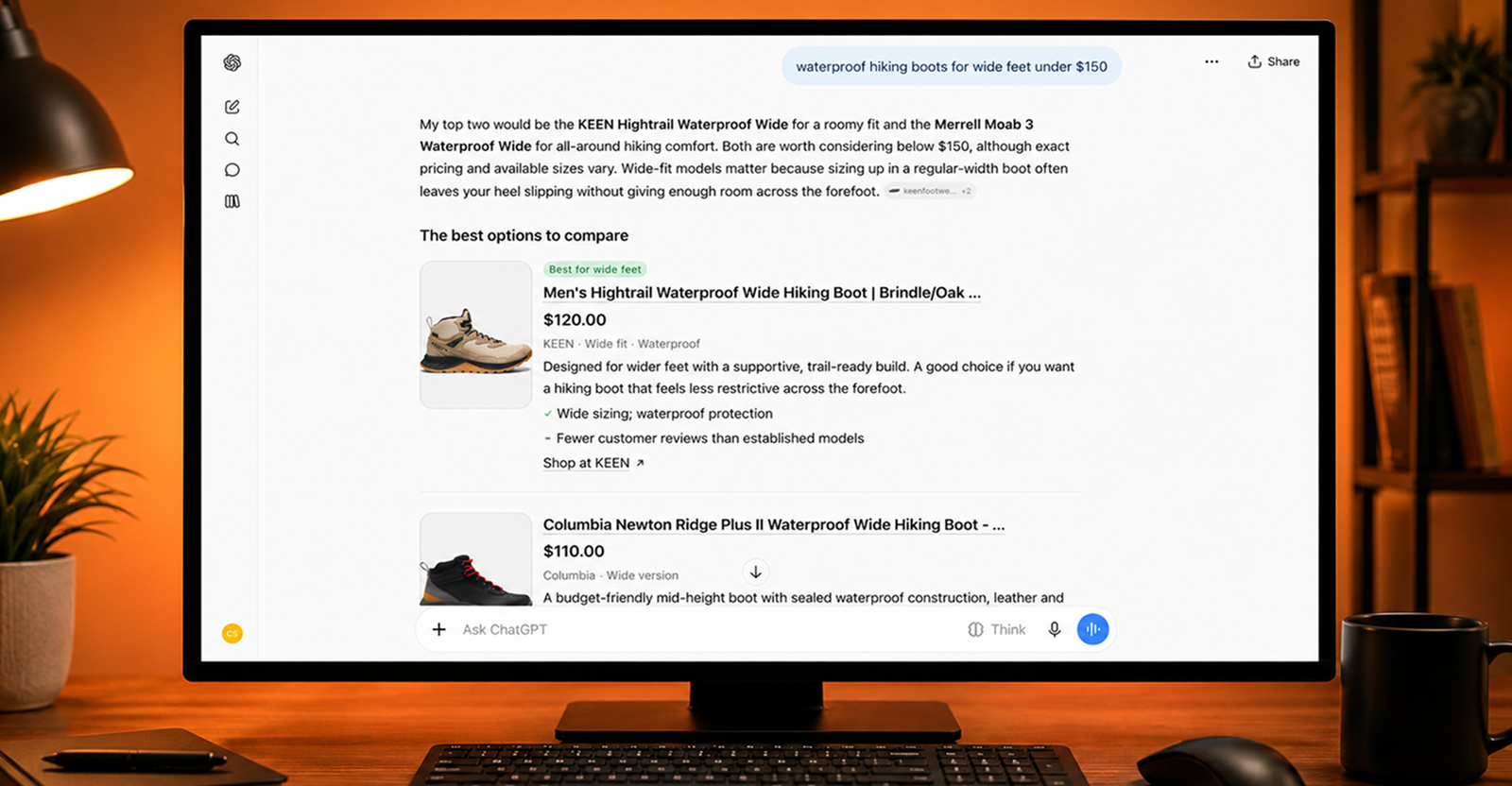
As AI search engines like ChatGPT and Google AI Overviews become major shopping hubs, product misrepresentations and attribution errors threaten retail sales. Discover why AI shopping errors occur and how small businesses can audit their product feeds to secure direct buyer traffic.

Google has made its AI‑powered Search Overview the default for a broader set of queries, delivering richer, context‑aware summaries that now feature local business details. This shift lets small and medium‑sized businesses attract organic traffic without extra clicks, making accurate citations, reviews, and structured data more important than ever.
Operato AI has launched a tracking platform that allows small businesses to monitor how AI assistants like ChatGPT, Gemini, and Perplexity cite their websites. Offering continuous citation tracking and optimization guidance, the tool includes a free tier tailored specifically for local shops and service providers.
OpenAI has introduced "Businesses in ChatGPT," allowing small and local companies to establish verified profiles directly within the conversational platform. Designed to compete with Google Business Profile, the rollout gives merchants a direct pipeline to reach shoppers across major AI assistants.
Deploying a Content Delivery Network (CDN) distributes website assets across global edge servers located closer to end users. This setup reduces visitor latency while protecting your backend origin server from heavy traffic spikes.
Home buyers and sellers are increasingly turning to AI assistants such as ChatGPT, Claude, and Google AI Overviews to choose real estate agents, sidestepping traditional search results. Digital strategist John Spencer Ellis warns that AI‑referenced traffic has jumped 393 % year‑over‑year, compelling agents to master Generative Engine Optimization (GEO) to appear in those direct recommendations.
As conversational AI platforms increasingly replace traditional search engines, tracking brand mentions in AI responses is no longer reserved for Fortune 500 enterprises. Emerging Generative Engine Optimization (GEO) tools are democratizing multi-engine AI monitoring for small and medium-sized businesses. Monitoring your brand across six major AI assistants can help protect and expand your local market share.
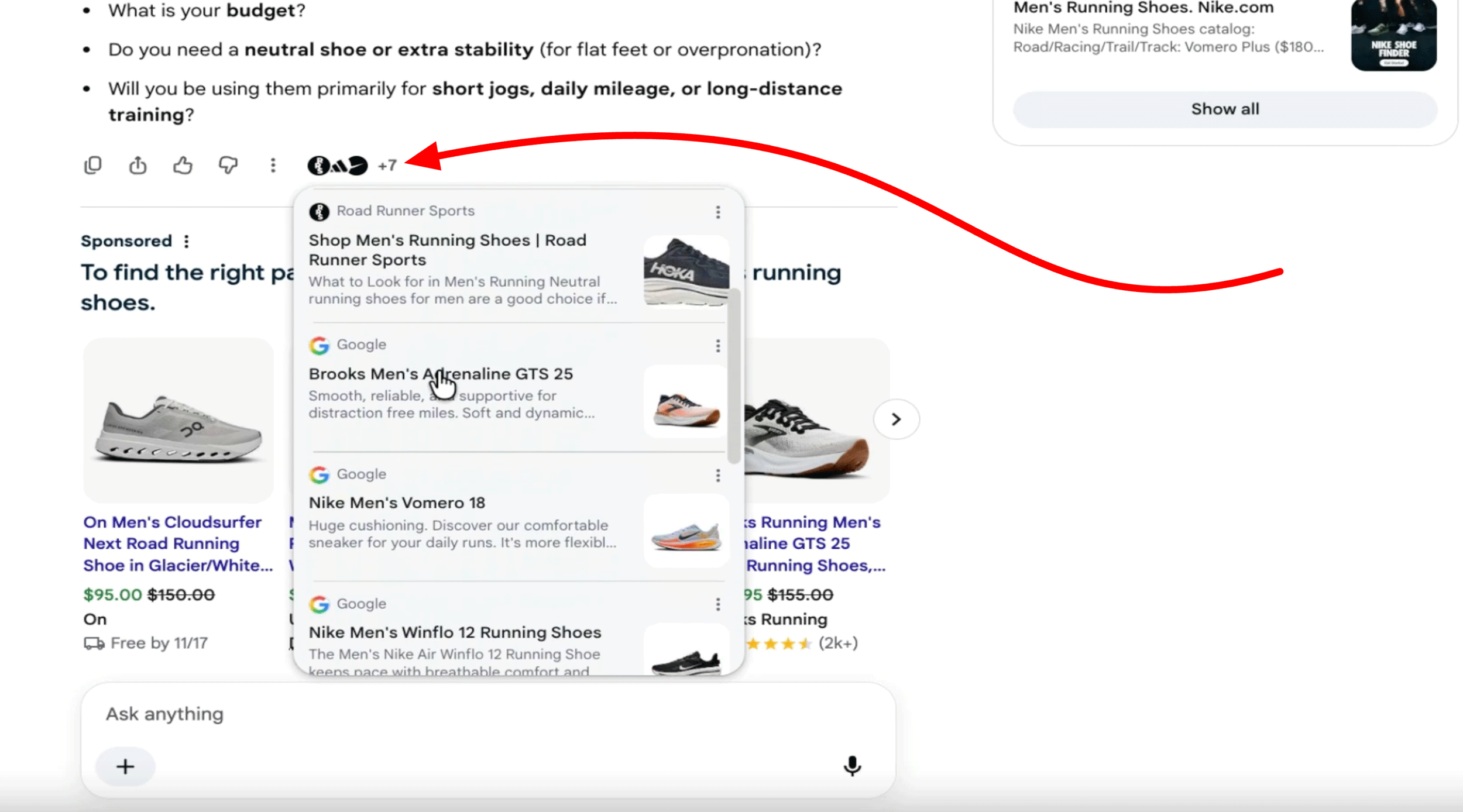
Google is testing a new placement for source icons in AI Overviews, moving them from the top to the bottom of the answer. This subtle shift could reduce visibility of citations and lower click‑through rates for businesses. Small‑business owners should monitor the experiment and adjust their AI‑visibility strategies accordingly.
OpenAI launched 'Businesses in ChatGPT' on November 11, 2026, creating a direct competitor to Google Business Profile and Yelp listings. The tool pulls verified merchant data into conversational searches, allowing local businesses to capture a new channel of AI-driven customer traffic.
Google has introduced a privacy setting that lets users opt out of AI‑generated search results. Small businesses must understand how this shift affects visibility and the actions needed to stay found in both AI and traditional search.
AI‑powered search is reshaping first impressions, and by 2026 only a handful of firms specialize in steering the answers from ChatGPT, Gemini, and other large language models. Understanding how these new AI‑ORM specialists differ from traditional ORM is crucial for local businesses that want to protect their reputation and drive revenue. Investing in AI reputation management now secures your brand’s narrative in an emerging AI‑first search ecosystem.
As conversational search replaces traditional search result pages, local and small businesses must shift focus toward AI reputation management. Managing how platforms like ChatGPT, Perplexity, and Google AI Overviews describe your brand has become essential for acquiring customers in 2026.
Google has introduced a setting allowing users to disable AI-powered search features, prompting local businesses to re-evaluate their organic visibility strategies. This update breaks down what the toggle changes, its ripple effects on SEO, and how business owners can maintain strong reach across both classic SERPs and AI-driven search tools.
Everyday consumer searches in late 2026 run primarily on free, high-speed AI tiers like ChatGPT’s GPT-6 Luna and Google’s Gemini Flash-Lite. To stay visible in generative answers, business owners must understand how these lightweight engines retrieve and cite local information.
OpenAI has launched Businesses in ChatGPT, a dedicated profile feature that allows local and small businesses to surface directly within conversational AI prompts. Positioned as a direct competitor to Google Business Profile, the rollout gives merchants a fresh avenue to capture high-intent local search traffic.
Google’s newest search update adds an opt‑out toggle that disables AI‑generated result panels, letting local businesses choose how they appear in search. Owners can keep their listings in traditional organic results or embrace AI snippets, and VisibilityAI provides the tools to keep citation data accurate across both environments.
Home discovery is undergoing a seismic shift: conversational AI tools like ChatGPT, Claude, Perplexity, and Google AI now name just two or three agents rather than returning dozens of links. For real estate professionals, securing one of these exclusive recommendations has quickly become the deciding factor in winning local clients.
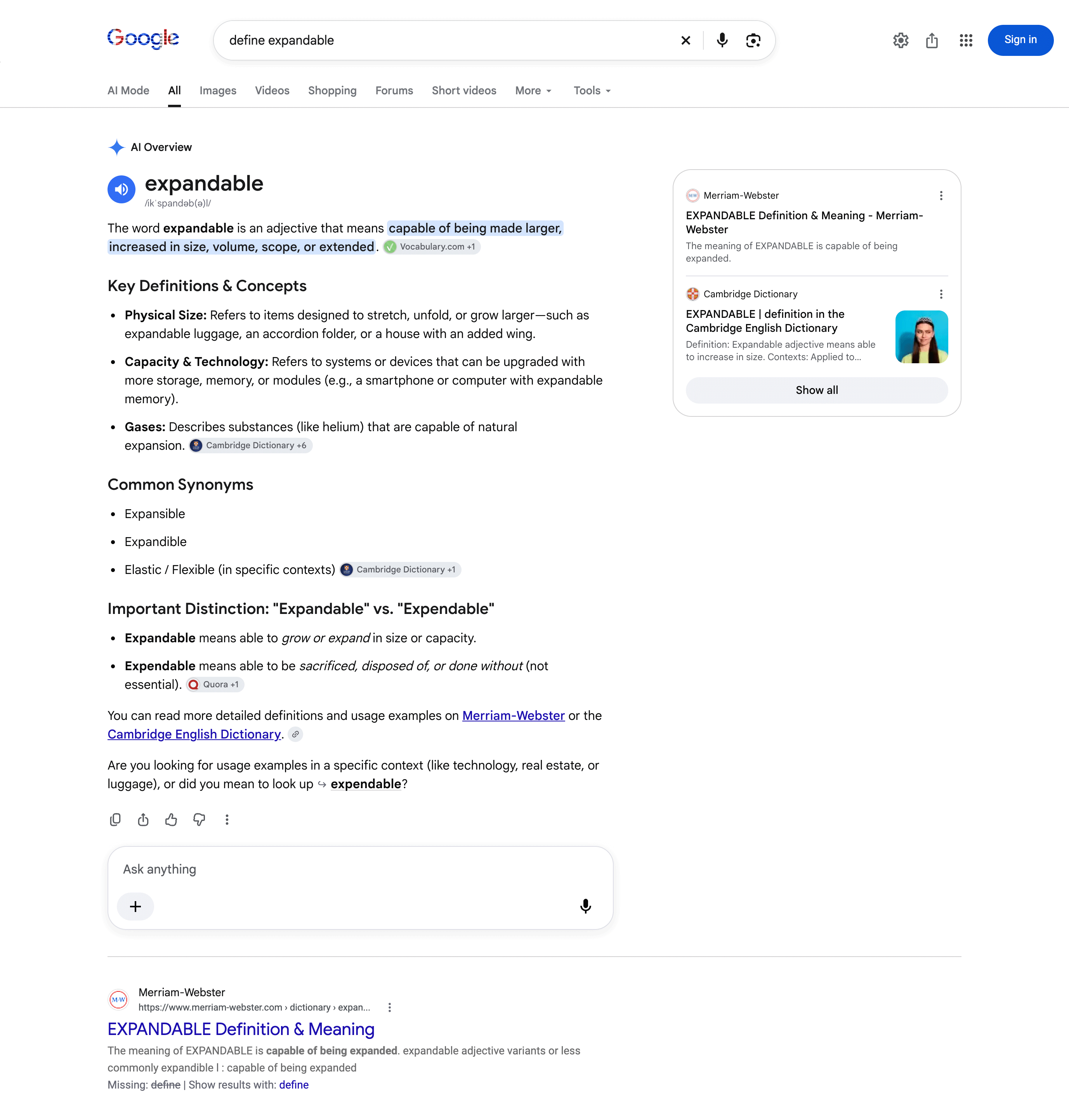
Google now shows full AI overviews for definition queries by default, taking up the top of the SERP. Local businesses must adapt their citation and schema strategies to maintain visibility and tap into AI‑driven discovery.
Google has rolled out its latest Gemini 4 Carbon model to AI Mode in Search, exclusively for Google AI Ultra subscribers. Engineered for deeper reasoning and nuanced intent matching, the model gives local businesses a valuable advantage in capturing visibility across generative search.
AI assistants like ChatGPT, Gemini, Perplexity and Google AI Overviews are now the first stop for IT service buyers. A recent study shows that broad “best X” questions rely on third‑party lists, while industry‑specific queries pull from a company’s own content. Small firms must adapt their strategy to get cited in AI answers and stay on buyers’ shortlists.
Get the top AI-search and GEO stories in your inbox once a day, no spam.