A recent SEJ analysis reveals that ChatGPT, Gemini and Claude now command roughly 78% of AI‑search citations, while Perplexity’s share has slipped to about 5%. Business owners should concentrate their AI‑visibility efforts on the three dominant models, but retain a modest presence on niche tools for highly specialized queries.

Even if your site lands on Google’s first page, large language models may still favor competitors in their responses. This article explains why AI citations stem from a distinct set of trusted domains and offers practical steps to secure your brand’s presence in AI‑driven answers.

AI-driven discovery is transforming how consumers find storefronts and local brands. While Google's AI Mode and conversational Gemini layer capture user attention directly in search results, traditional organic search still supplies the bulk of raw traffic. To stay competitive, business owners must combine classic SEO foundations with structured, citation-rich content built for AI models.
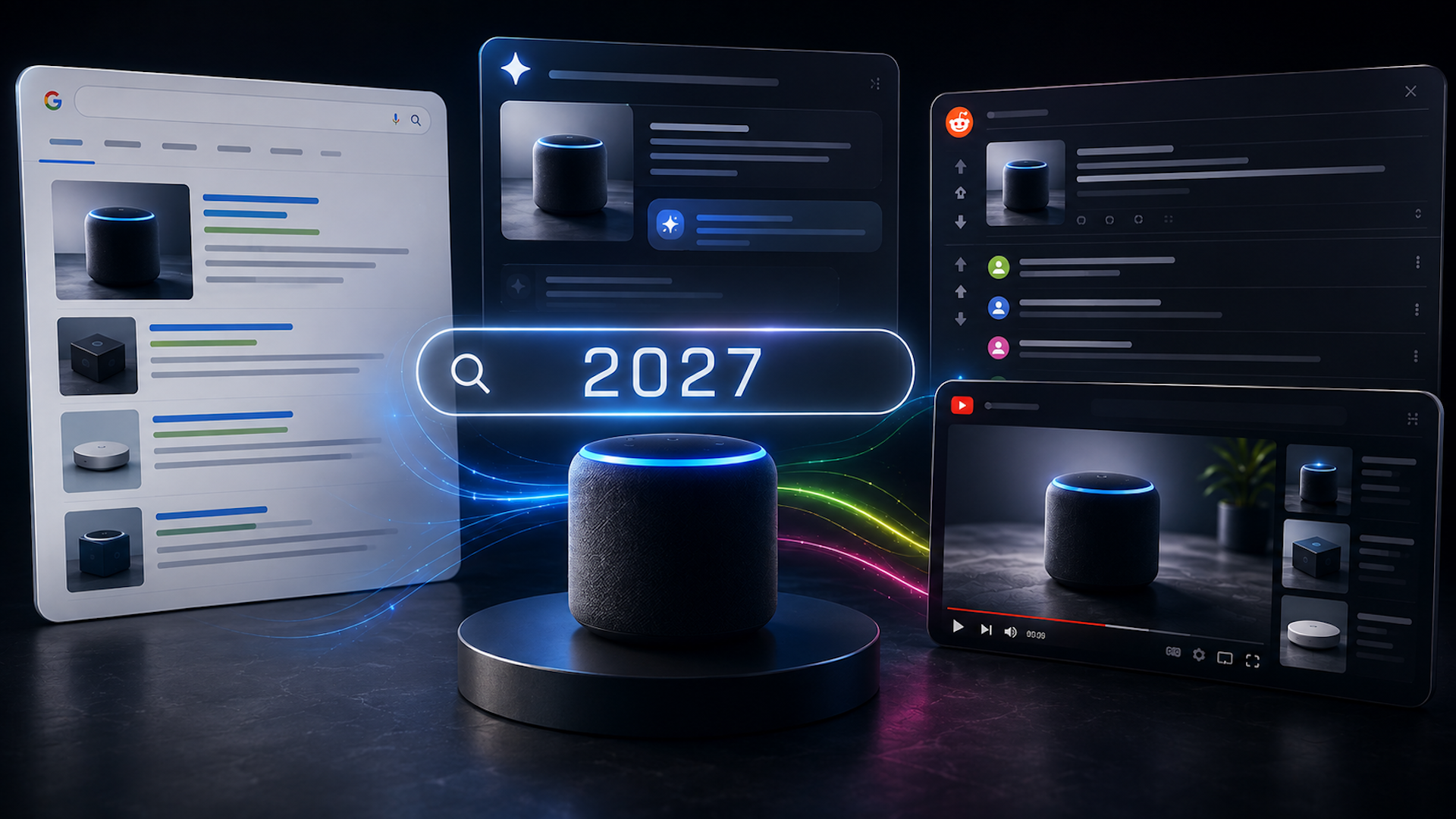
Digital Otters, a Lahore‑based agency, has positioned itself as Pakistan’s premier AI Search and Answer Engine Optimization (AEO) provider. Its new AI Search Visibility service helps local businesses appear directly in AI‑generated answers from platforms such as ChatGPT, Google Gemini, Perplexity and Google AI Overviews.
AI chatbots are increasingly determining which sources to cite, making it essential for businesses to secure a presence in those citations to avoid being overlooked by a significant segment of consumers. This guide provides insights on how to position your business as a trusted source for AI platforms like ChatGPT, Claude, Perplexity, Gemini, and Google AI Overviews, ultimately unlocking new avenues for organic traffic.


Google is preparing to implement the Universal Commerce Protocol (UCP) draft specification for its AI-Mode hotel booking feature, which will standardize data sharing between hotels, travel sites, and Google. This initiative opens up new opportunities for small businesses in terms of citations and clicks in AI-driven search results.
Sorank has introduced GEO, an innovative software platform designed to enhance the visibility of local and small businesses in AI-generated responses from ChatGPT, Gemini, Perplexity, and Google AI Overviews. This tool automates the management of citation, schema, and location data to ensure businesses stand out in the evolving landscape of AI-driven search.

Google's Generative AI Report offers marketers insights into AI-driven traffic, but its limitations hinder effective ROI measurement. By overlaying your own commercial data, you can transform visibility into actionable citations and attract more customers.
GMB Daddy’s new study identifies eight habits that separate top‑ranking Google Business Profiles from the rest, giving small businesses a clear roadmap to boost local visibility, reviews, and AI‑search rankings.
Security researchers have identified malicious browser extensions that can hijack AI assistants like ChatGPT, Gemini, and Google AI. These add‑ons can alter responses, expose confidential business queries, and damage local search visibility. Business owners should audit extensions, train staff, and prefer official APIs to keep their online reputation intact.
Sorank’s Generative Engine Optimization (GEO) platform lets businesses become the definitive answer in conversational AI assistants such as ChatGPT and Gemini. By auditing sites for AI‑friendly facts and offering precise, data‑driven fixes, GEO provides a cost‑effective, rapid alternative to traditional SEO. The service, priced from $99 a month, already serves over 5,000 businesses worldwide.

CallRail’s new ChatGPT ad attribution lets SMBs and agencies track calls, texts, and form submissions from ChatGPT ads within their existing dashboard at no extra cost. The feature integrates instantly via an API key, delivering cross‑channel reporting and data‑driven optimization alongside Google, Meta, and Microsoft campaigns.
Keith Kakadia of Sociallyin explains how AI Overviews, Reddit integration, and new B2B discoverability rules are pushing marketers to favor expertise over clicks. The DemandGenReport interview offers practical steps for small businesses to stay visible in AI‑driven search results.
Google is piloting an AI‑driven shopping experience powered by Gemini, letting a select group of Indian users add Flipkart items to their cart directly from search results. The test signals a shift toward frictionless, AI‑first commerce that could reshape how local businesses gain visibility and drive sales.
Keith Kakadia of Sociallyin explains how AI‑generated overviews, Reddit activity, and fresh B2B discoverability rules are reshaping the way local businesses appear in conversational search. The Q&A offers concrete tactics—like citation audits and Reddit engagement—to improve visibility in AI‑powered engines.
Google is testing a new AI Overview design that swaps the clickable Show‑More button for an automatic loading animation. The tweak aims to deliver full business summaries faster, urging local businesses to sharpen their structured data and citation quality.
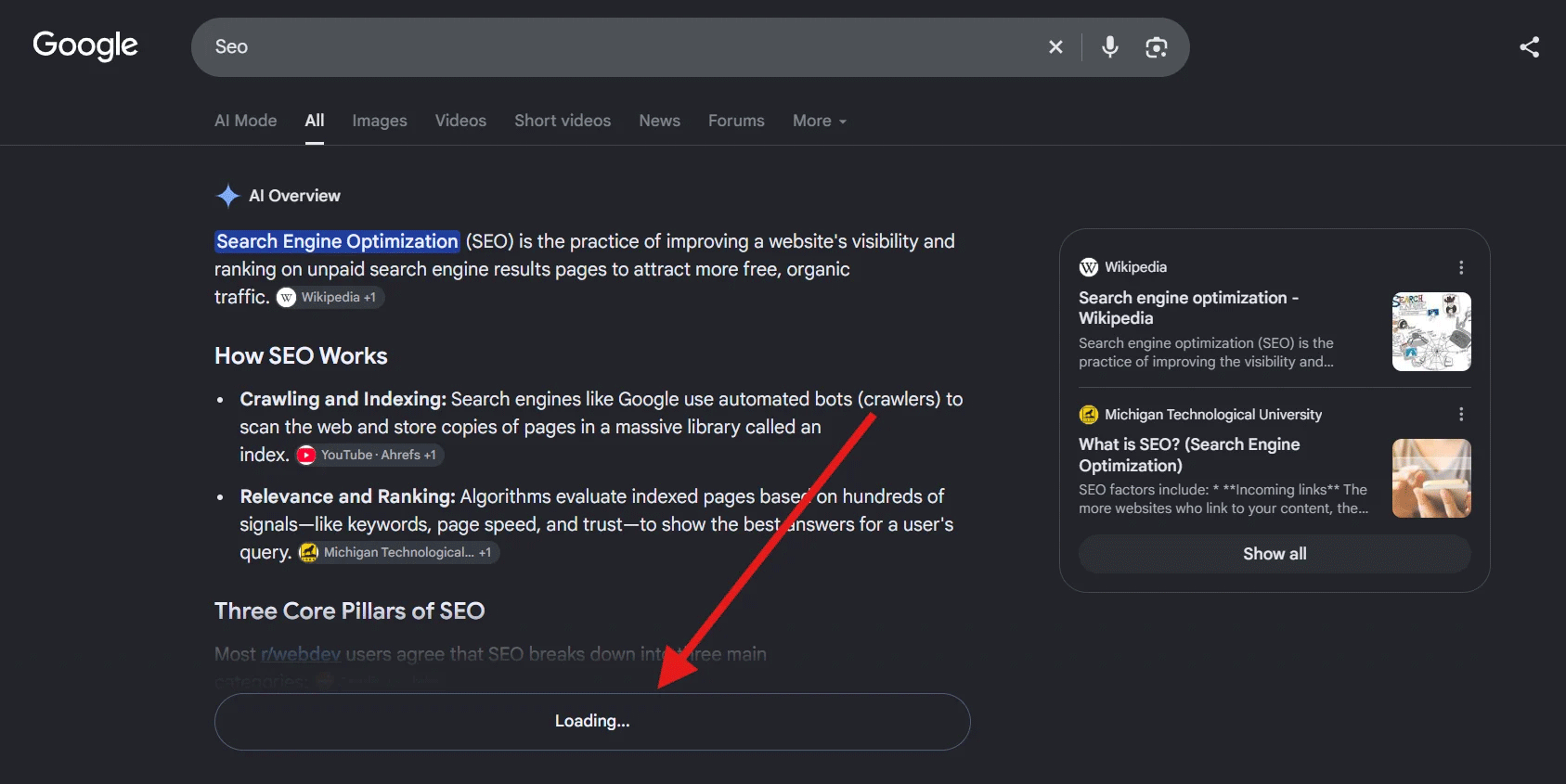
Google has begun testing a change to its AI‑generated overviews, replacing the familiar “Show More” button with a new “Loading…” prompt. The tweak is aimed at streamlining how users expand AI snippets and could shift how businesses appear in search results.
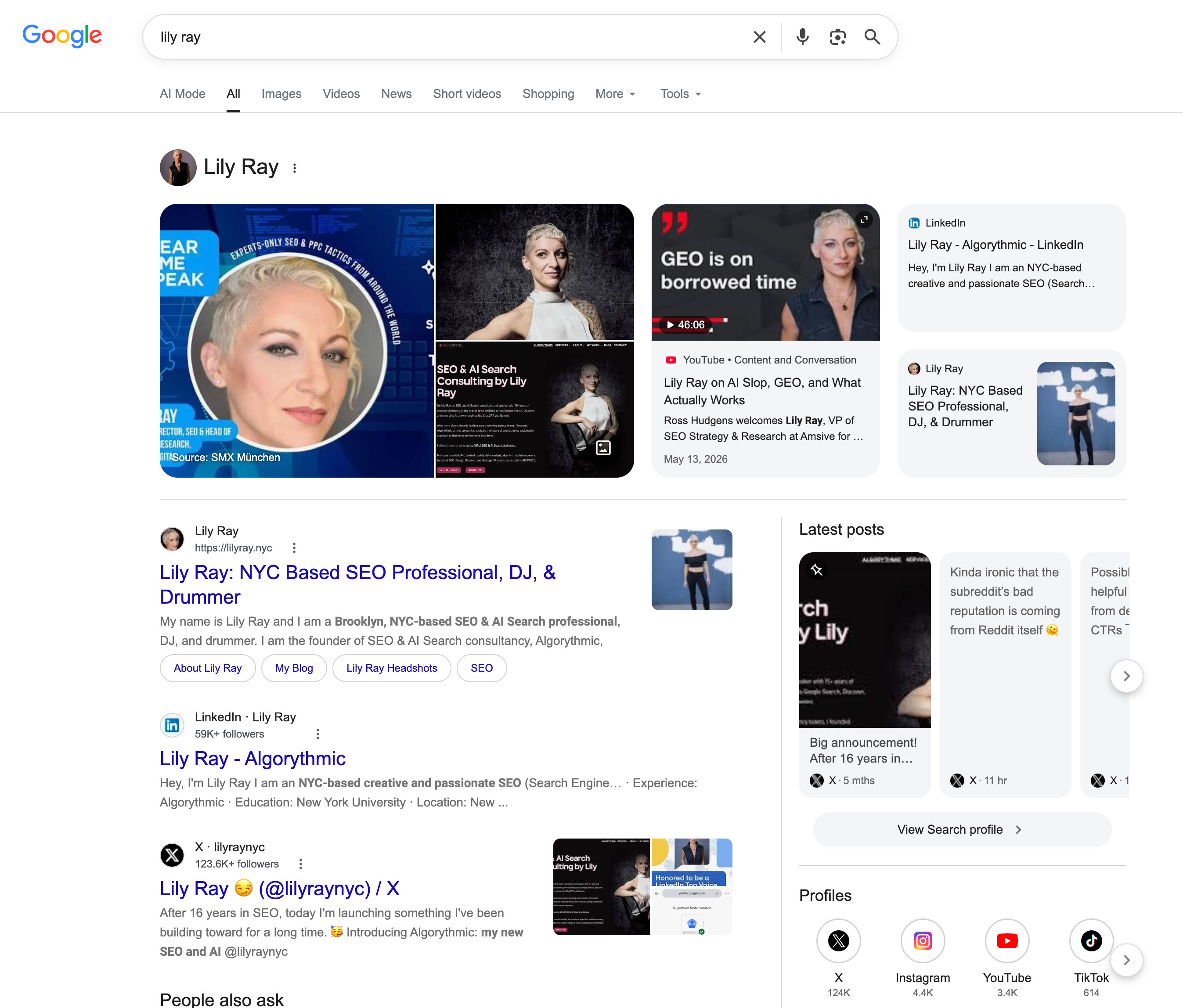
Google has removed the desktop Follow button, leaving the feature only on mobile. The change alters how local businesses can be followed, discovered, and referenced by AI assistants.

A federal judge has upheld most of WP Engine's antitrust claims against Automattic and WooCommerce, potentially transforming the WordPress landscape. This ruling may significantly influence how businesses are discovered and cited by AI tools.
In 2026 small businesses must adapt to AI‑driven search by deploying structured data, hyper‑local social content, and AI‑first ad formats. The updated playbook shows how to secure visibility in chat, voice and traditional results, from schema markup to AI‑enhanced email.
Deleting entries from Google My Activity does not erase the browsing history stored locally by Chrome. To keep AI‑driven search results accurate, businesses must clear both the account‑wide activity log and the device‑specific Chrome history on every profile.
Google celebrates its 28th birthday with a custom Doodle and introduces AI‑powered search features that can boost local visibility. The new AI Mode delivers conversational answers and richer snippets, giving business owners fresh opportunities to appear in AI assistant responses.

Google celebrated its 28th birthday with a nostalgic doodle that drops you into an AI‑powered trivia quiz. The new “AI Mode” offers a playful way to explore Google’s history while showcasing the power of generative search.
Google’s new mixed‑use crawler feeds both its search index and AI model training. Refusing the crawler can drop your site from AI assistants while leaving traditional search unaffected. Small businesses must adapt to stay discoverable in the next generation of AI‑powered search.
AI search tools are moving from merely listing brands to actively recommending them. The new battle is not about visibility, but about being the top choice. Small businesses need to focus on recommendation metrics to win customers.
Get the top AI-search and GEO stories in your inbox once a day, no spam.