
Google has amended its lawsuit against SerpApi, a company that provides web scraping services to businesses. This development could impact how local businesses are discovered and cited by AI tools. Learn how to adapt your SEO strategy to stay ahead.

Google's recent update to its AI Overview feature for local search results now frequently cites low-quality listicles, posing a challenge for local businesses seeking accurate online representation.

New research reveals that OpenAI's ChatGPT search index treats smaller, independent websites on equal footing with major media publishers, providing opportunities for small businesses to earn valuable AI search citations without multi-million-dollar partnerships. This challenges initial concerns that OpenAI's content licensing deals would create an uneven playing field. With ChatGPT Search prioritizing content relevance and structure, local businesses can now focus on optimizing their websites for conversational AI assistants.

Meta is aggressively crawling the web, signaling the development of its own AI-powered search engine for Facebook, Instagram, and WhatsApp. As social and search converge, local businesses must optimize their online presence for Meta's crawlers to capture conversational AI traffic. Learn how this shift impacts Generative Engine Optimization (GEO) and your local discovery strategy.

Google is testing interactive AI prompt buttons like 'Create images,' 'Ask about files,' and 'Brainstorm' directly on its homepage. This update signals a massive shift toward conversational AI interactions, changing how local businesses must position themselves to get discovered.

The release of the 2026 top Generative Engine Optimization (GEO) agency shortlist highlights a critical shift in digital marketing: moving beyond simple SEO clicks toward direct pipeline attribution from AI search. Both B2B SaaS companies and local businesses are now investing heavily in strategies that earn explicit brand citations within platforms like ChatGPT, Perplexity, and Google AI Overviews.
Publishing giant Reach PLC recently reported a dramatic 50% drop in organic Google referral traffic as search engines pivot toward zero-click AI answers. The sharp decline highlights why local businesses and marketers can no longer rely solely on traditional SEO and must quickly adapt to AI search engines like ChatGPT, Perplexity, and Google AI Overviews.

Consumer search habits are rapidly shifting toward conversational tools like ChatGPT, Perplexity, and Google AI Overviews, yet traditional analytics platforms fail to track this new customer journey. This disconnect leaves brands facing a growing attribution gap as AI heavily influences purchases offline and behind the scenes. To maintain visibility, small and local businesses must shift focus from old-school click tracking toward Generative Engine Optimization (GEO) and citation building.
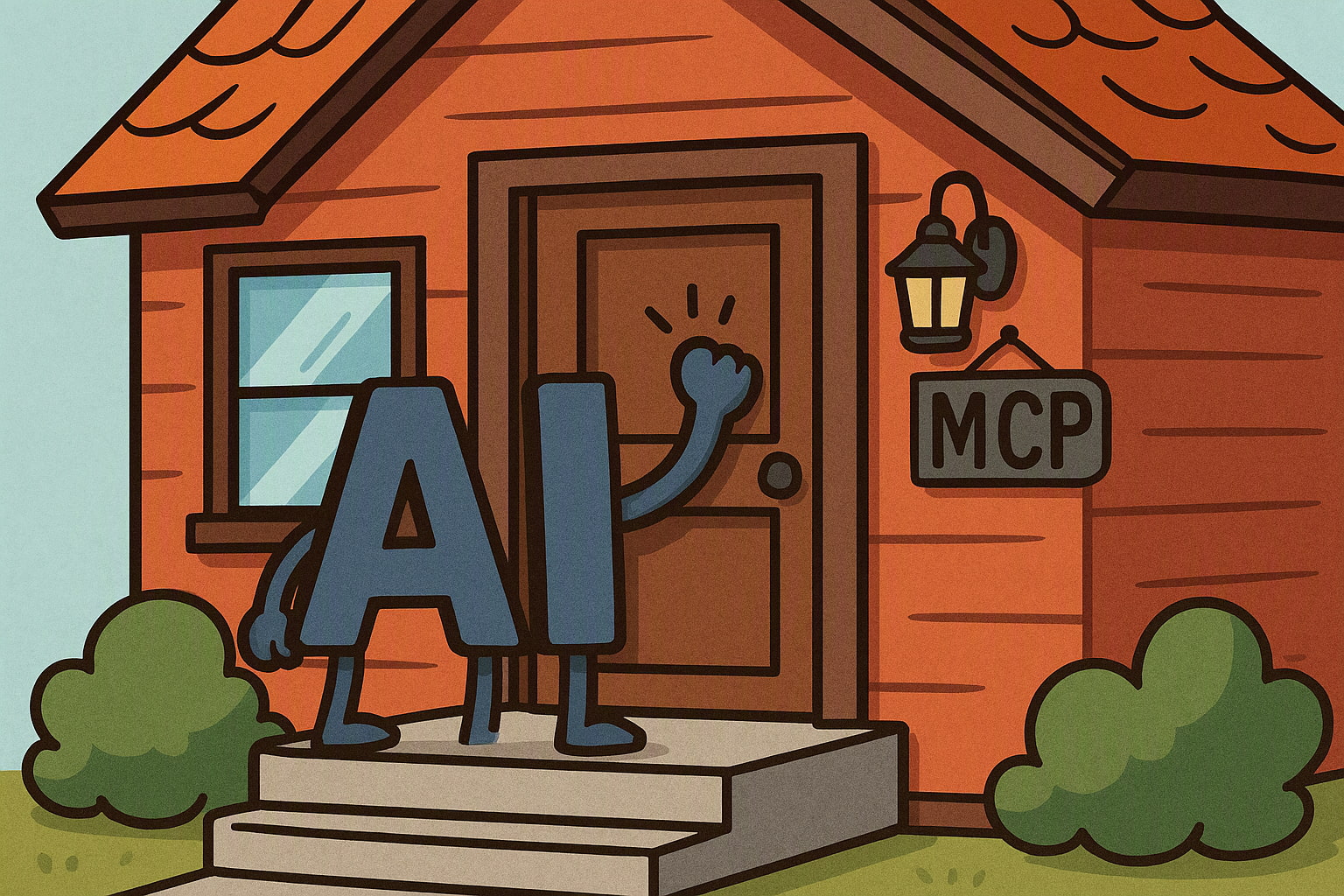
As AI tools like ChatGPT and Claude integrate into marketing systems, concerns are growing that traditional CRMs may become obsolete. However, these AI assistants function as reasoning engines that depend on structured business data to deliver accurate recommendations, emphasizing the continued importance of a solid CRM foundation for local businesses to enhance their visibility in AI search results.

As AI Overviews continue to evolve, local businesses must adapt their content strategies to remain visible in search results and AI responses. Google's integration of Top Stories into AI Overviews has significant implications for publishers and brands, requiring them to prioritize SEO and adapt to AI's content preferences. By understanding these changes, businesses can refine their marketing tactics and increase their chances of being featured in AI-generated results.

Google's limited test of a sign-in feature could significantly impact local businesses' online visibility, as users may be discouraged from accessing more search results, leading to a decrease in traffic to websites that rely on organic search.

AI search engines like ChatGPT, Gemini, and Perplexity rely heavily on local listing accuracy and review sentiment to recommend local businesses. Recent data reveals that data inconsistencies across web directories can completely erase your brand from AI answers. Learn how small businesses can optimize their local signals for generative engine optimization (GEO).

Google's Open Knowledge Format (OKF) v0.2 introduces a trust layer to help structure web content into clear, interconnected concepts. Although AI search agents do not actively crawl OKF bundles on websites yet, adopting this framework offers local businesses a powerful blueprint to audit and refine how AI models interpret their brand.
Recent analysis of over 600,000 ChatGPT citations has revealed that 89% of AI search categories lack a dominant brand leader. This insight underscores a fleeting opportunity for small and local businesses to establish topical authority in AI search, positioning themselves advantageously before competitors catch on.
The shift from traditional search engines to AI-powered 'Answer Engines' like ChatGPT, Perplexity, and Gemini is redefining online visibility. To stay discoverable, local and small businesses must transition from keyword matching to becoming trusted structured data sources that generative AI models cite directly.
Google's Business Profile dashboard has transitioned to a blue background, which may impact how local businesses manage their online presence.
A recent study by Meltwater's GEO highlights GCash and Maya as the top Philippine e-wallets in AI chatbot results, emphasizing the importance of digital finance in search engine optimization for local businesses.
Google's AI-organized search results are rolling out globally, impacting local businesses' search visibility and potentially requiring adjustments to SEO strategies.
Google's John Mueller reveals a robots.txt quirk that can cause Googlebot to ignore rules, potentially harming SEO. This issue affects local businesses and online marketers trying to optimize their websites for search engine visibility. Understanding this quirk is crucial for maintaining a strong online presence.
Recent AI search engine updates, including Gemini 3.6 Flash and Claude Opus 5, may significantly impact local businesses' online presence. Understanding these changes will help you adapt and improve your AI discoverability. To stay ahead of the competition, it's essential to understand these updates and adapt your strategies accordingly.
Get the top AI-search and GEO stories in your inbox once a day, no spam.