
As AI search tools become increasingly prevalent, businesses must evolve their SEO strategies to remain visible and engaging in 2027. This article outlines the essential priorities for adapting to the changing landscape of digital marketing.
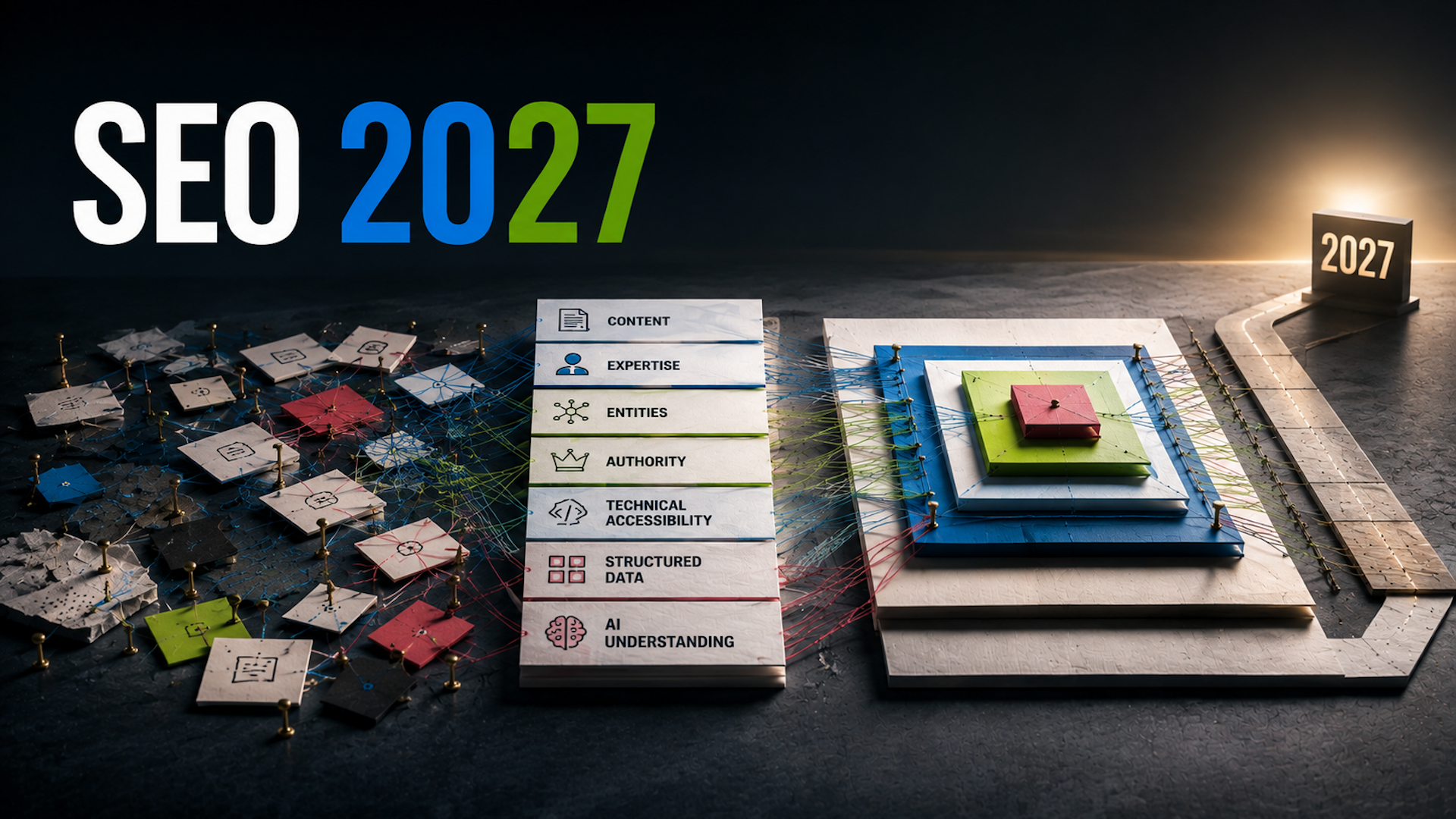
Recent search marketing hiring trends show a massive surge in demand for Generative Engine Optimization (GEO) and Answer Engine Optimization (AEO) professionals. High-paying strategist and director positions signal that businesses and agencies are prioritizing visibility in platforms like ChatGPT, Gemini, and Google AI Overviews. For business owners, this confirms that being cited by AI models is now a core commercial priority.

Modern searchers rarely follow a straight path to conversion, making cross-channel visibility essential. A 26-week case study published in Search Engine Land demonstrates how aligning SEO and PPC efforts eliminates friction points and builds brand authority across every buyer touchpoint.

AI assistants are now recommending brands directly in their answers, but most businesses don’t know what’s being said. This guide shows how to monitor those mentions manually or with tools like Semrush, and how to act on the insights.
The article explains why traditional SEO tools miss a growing visibility gap in generative‑AI answers and offers a practical framework for choosing the right AI visibility platform. It outlines key metrics, outcome‑oriented categories, and a step‑by‑step process for local businesses to identify, fix, and measure AI‑driven brand exposure. By adopting a data‑driven tool, marketers can ensure their brand appears in trusted AI responses and drive qualified traffic beyond classic SERPs.
Gmail has rolled out Gemini‑powered question‑answering to all users, letting you pull answers straight from your inbox on demand. The feature is part of Google’s premium lineup, so businesses must weigh the subscription cost against the productivity gains.
The Redmi Note 17 Pro Max sparked a sharp rise in price‑related searches on Google Trends in India after its September 2024 launch, illustrating how AI‑driven search engines amplify hot topics. Business owners can use this moment to practice rapid, locally‑focused SEO and capture AI‑generated traffic.

Google has moved its Gemini 3.7 Flash model into AI Mode for Search, turning it into a fast, conversational answer generator. The change gives local businesses a new way to appear in AI‑crafted answer boxes, provided they supply clean structured data and conversational content.
A federal judge in Illinois refused to dismiss a defamation lawsuit filed by a Chicago author and TV producer against Google over inaccurate AI Overviews. The decision highlights growing concerns about the reliability of AI‑generated search snippets and could force Google to tighten its verification processes.
Google has announced changes to its AI Position Reporting feature in Search Console. The update will provide more granular data and a new AI Confidence score, helping local businesses optimize for AI-driven search results.
Google’s new Gemini‑powered Inbox Answers delivers instant, context‑aware replies to email questions, but full functionality is only available on paid Workspace plans. Small businesses can use the feature to speed up responses and improve customer satisfaction, while weighing subscription costs.
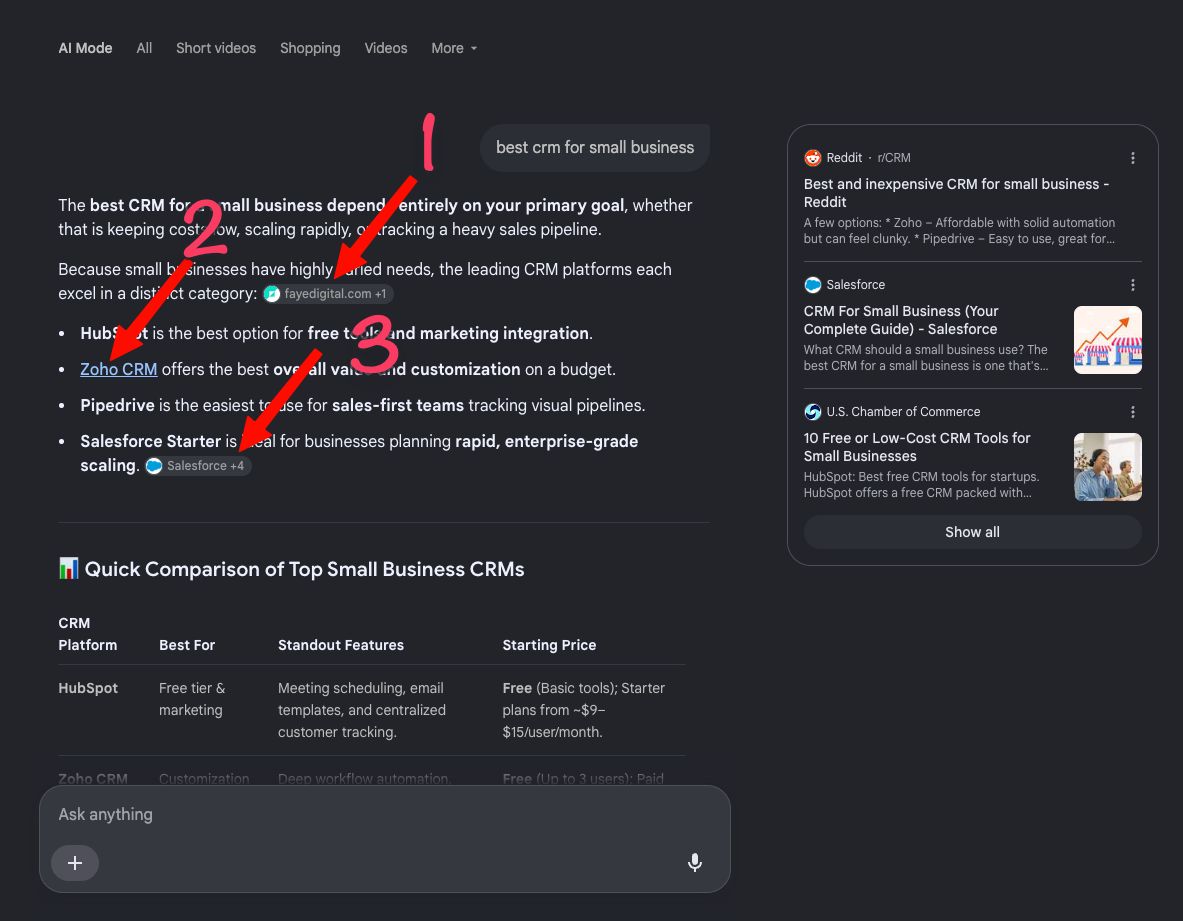
Google confirmed that AI‑mode position and impression metrics in Search Console will be refined as the AI search experience matures. The changes will give site owners clearer insight into AI‑driven results while adding reporting nuances that small businesses need to monitor.

Former Google AI chief Jeff Dean explains Gemini’s multimodal design and collaborative origins, showing how the model can reshape AI‑driven search for local businesses. By handling text, images, and audio while improving reasoning, Gemini promises more accurate citations and greater visibility.
Crusoe and Perplexity have formed a multi-year partnership that enables local businesses to harness high-performance GPU clusters and managed inference. This collaboration aims to reduce costs and enhance the speed of AI model training and deployment, thereby increasing visibility in AI-driven search platforms like ChatGPT and Google AI Overviews.
Google has launched AI‑powered search overviews in Gmail for paid English‑speaking users worldwide. The feature lets you ask natural‑language questions directly in the Gmail search bar and receive concise, AI‑generated answers. Small businesses can now leverage this tool to surface email content in AI‑driven search results and improve local visibility.
Google has upgraded Gemini Notebook with real‑time voice conversations, visual study overviews, and AI‑generated video snippets, making the learning environment far more interactive. The new multimodal tools also give local businesses fresh content formats that AI search engines can index, potentially boosting visibility in AI‑driven results.
Salesforce is stripping its traditional CRM UI and moving data, workflows, and permission controls into AI‑first platforms like Slack, Claude and Gemini. The shift forces businesses to rethink how they capture, protect, and surface customer information for AI‑driven search visibility.
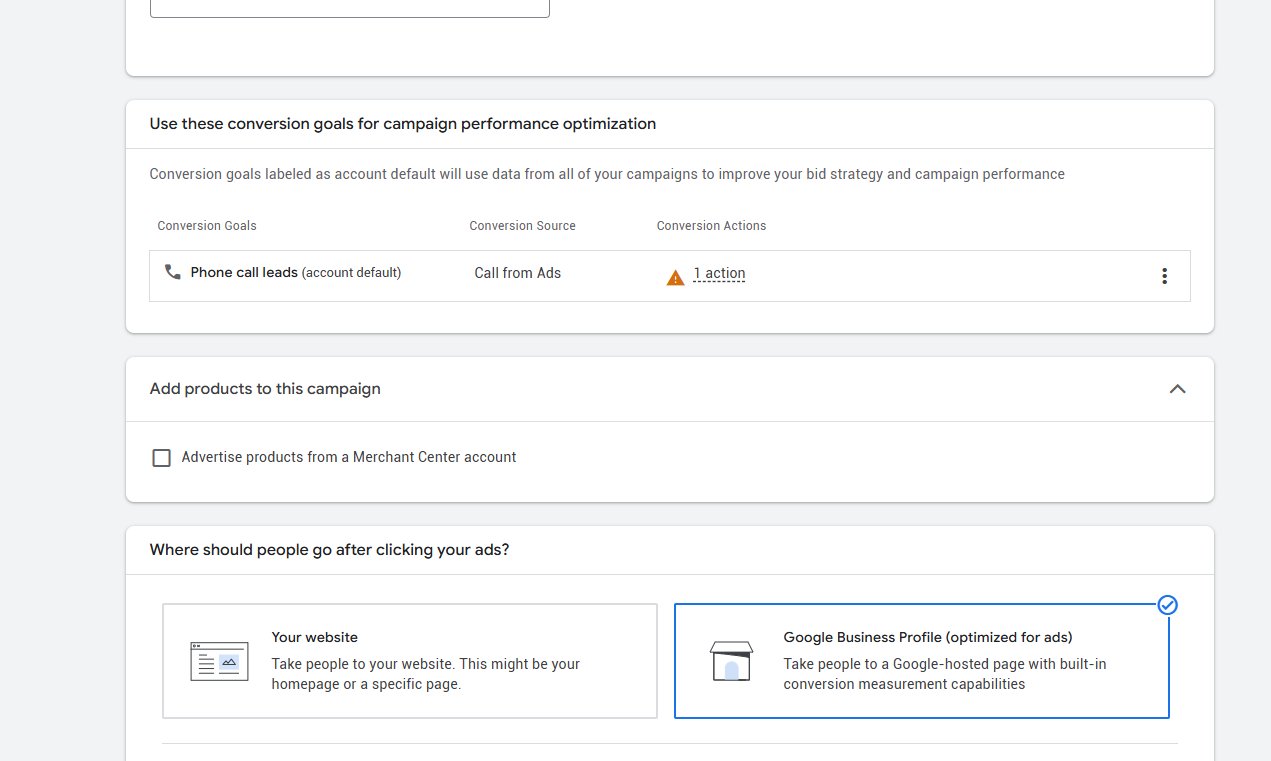
Google Ads Performance Max now lets advertisers choose whether clicks land on your website or a Google‑hosted page built from your Google Business Profile. This change can boost local visibility, simplify tracking, and make your business more discoverable by AI assistants. Learn how to pick the right option and optimize for better ROI.
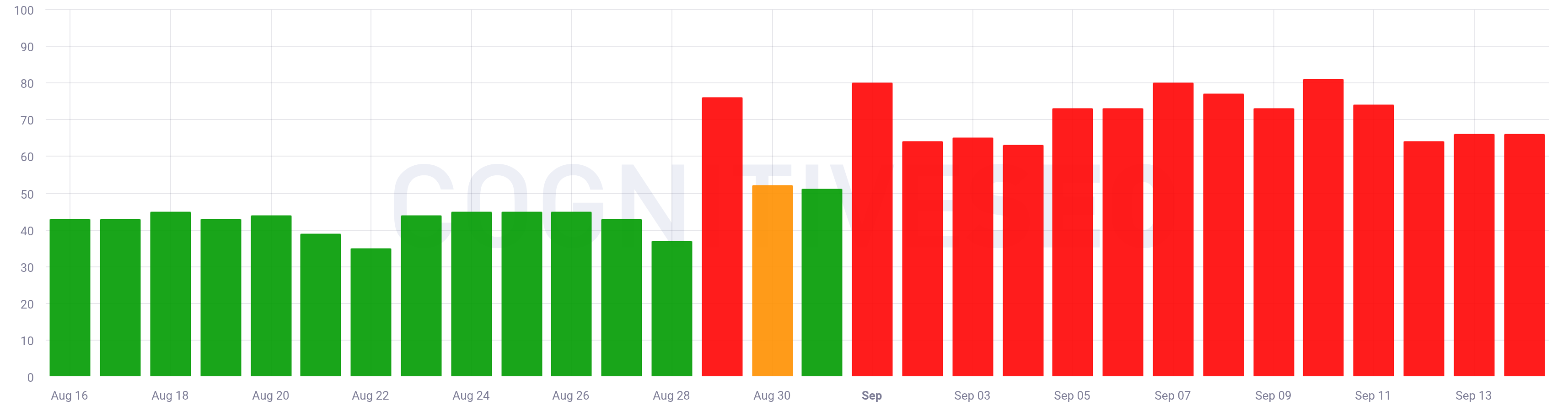
Google’s sudden ranking shift on September 15th sent a wave of uncertainty through the SEO world. Local and small businesses are feeling the tremors, as positions rise and fall unpredictably. Understanding why this matters—and how to protect your listings—can keep your visibility steady amid the chaos.

AI assistants such as ChatGPT and Gemini now pull brand information from a vast array of sites, making brand protection a top priority. This guide shows how to audit your AI footprint, correct inaccuracies, and secure reliable citations that boost traffic and sales.
AI assistants are now recommending brands directly in their answers, but most businesses don’t know what’s being said. This guide shows how to monitor those mentions manually or with tools like Semrush, and how to act on the insights.

Google has rolled out four experimental ad experience metrics in the Chrome User Experience Report (CrUX) to track how digital ads disrupt user browsing in the real world. These new data points measure ad volume, viewport coverage, CPU usage, and network footprint. For business owners and marketers, the update underscores a clear reality: maintaining a clean, fast-loading website is becoming essential for visibility in both traditional search engines and emerging AI answer engines.

Cloudflare has introduced a 'Disallow AI Training' setting that lets site owners opt out of AI dataset harvesting without severing access for core search crawlers like Googlebot and Bingbot. The update resolves a high-stakes dilemma for business owners who want to safeguard proprietary content while preserving their rankings in organic search and AI answer engines.
Paid search veteran Matt Van Wagner recently reflected on search marketing's evolution from an entrepreneurial gold rush to an automated, AI-driven landscape. For business owners navigating Google AI Overviews and conversational discovery, his retrospective offers a vital lesson: placing blind trust in automated platform recommendations remains a costly mistake, and strategic human oversight is irreplaceable.
Generative engines like ChatGPT, Perplexity, and Gemini are driving qualified buyers straight to business websites, yet default Google Analytics 4 setups regularly mislabel or bury these visits. Isolating this traffic is essential for measuring your true generative engine optimization (GEO) return. Here is how to find where your AI referrals actually land and track them with confidence.
Get the top AI-search and GEO stories in your inbox once a day, no spam.