
Home / News / Google Ranking Volatility Heats Up: What Small Businesses Need to Know
Google Ranking Volatility Heats Up: What Small Businesses Need to Know
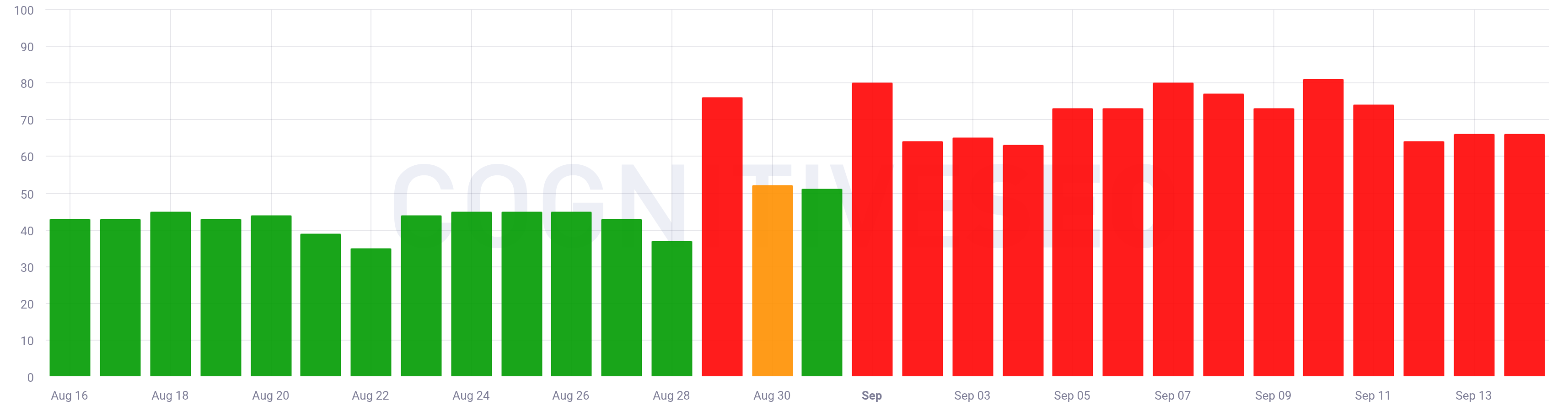
Google’s sudden ranking shift on September 15th sent a wave of uncertainty through the SEO world. Local and small businesses are feeling the tremors, as positions rise and fall unpredictably. Understanding why this matters—and how to protect your listings—can keep your visibility steady amid the chaos.
Key Highlights
- ✓Sudden global ranking shifts on Sep 15th
- ✓Potential start of a new Google Core Update
- ✓Local businesses may lose or gain positions
- ✓AI search tools may amplify visibility changes
What Happened\n\nIn the early hours of September 15th, 2026, Google Search exhibited a sudden spike in ranking volatility, sending shockwaves through the SEO community. While the exact trigger remains unconfirmed, industry chatter suggests the start of a new algorithmic update or a significant tweak to existing ranking signals.\n\nLocal and small businesses saw their positions shift dramatically—some losing several spots, others climbing unexpectedly. The movement was felt worldwide, with notable changes reported from the UK, US, and other major markets.\n\n## Key Details\n\n- **Timing**: The volatility began around 7:00 am GMT, peaking between 9:00 am and 11:00 am.\n- **Scope**: Affects a wide range of verticals, from e‑commerce and service‑based sites to informational blogs.\n- **Signal Indicators**: Early signs include sudden changes in click‑through rates, impressions, and position metrics reported in Google Search Console.\n- **Tool Response**: Popular SEO tools such as Ahrefs, SEMrush, and Moz are still processing the data—expect updates by the end of the day.\n- **Potential Causes**: 1) A new Core Update; 2) Adjustments to the “Helpful Content” model; 3) AI‑driven ranking adjustments linked to ChatGPT‑style queries.\n\n## What It Means For Your Business\n\n### 1. Re‑evaluate Your Core Content\n\nGoogle’s algorithm increasingly prioritizes *relevance* and *intent*. If your content no longer aligns with user queries, you’ll see drops in rank. Review your top‑ranking pages:\n\n- Are they answering the specific questions your customers ask?\n- Do they incorporate the latest industry terminology?\n- Is the content up‑to‑date and authoritative?\n\n**Action**: Refresh at least 3–5 high‑traffic pages per month to keep them aligned with evolving search intent.\n\n### 2. Strengthen Local Citations\n\nFor local businesses, citations are a critical ranking signal. The volatility may amplify the importance of accurate, consistent NAP (Name, Address, Phone) data across directories.\n\n- Verify your listings on Google My Business, Yelp, TripAdvisor, and niche local directories.\n- Use tools like BrightLocal or Yext to monitor citation health.\n- Encourage satisfied customers to leave reviews—positive reviews can boost local relevance.\n\n**Action**: Perform a citation audit today and correct any discrepancies.\n\n### 3. Monitor AI Search Integration\n\nAI tools such as ChatGPT, Perplexity, and Gemini increasingly rely on Google’s SERP data for answers. If your site falls out of top positions, you risk being excluded from AI-generated responses.\n\n- Track your visibility in AI search results using VisibilityAI’s monitoring platform.\n- Ensure your content is structured with schema markup to improve AI readability.\n- Keep an eye on “featured snippets” and “position zero” placements.\n\n**Action**: Implement or update schema for key pages and monitor snippet performance.\n\n### 4. Prepare for Future Volatility\n\nAlgorithm changes can happen more frequently than before. Build resilience:\n\n- Diversify traffic sources: social media, email newsletters, and paid ads.\n- Maintain a robust content calendar with evergreen and trending topics.\n- Stay informed: subscribe to reputable SEO news outlets and engage with the community.\n\n**Action**: Set up an alert system for ranking changes and schedule weekly review sessions.\n\n## Bottom Line\n\nThe sudden ranking shifts on September 15th underscore that Google’s search landscape is more dynamic than ever. For local and small businesses, the key to staying visible is proactive content maintenance, rigorous citation hygiene, and active monitoring of AI search integration. By acting now, you can safeguard your rankings and ensure your business remains discoverable—both by traditional search users and the emerging AI-powered assistants.
Why This Matters For Your Business
For businesses that rely on organic search to attract new customers, a sudden ranking shift can mean the difference between a steady stream of inquiries and a sharp decline in traffic. Google’s algorithms are increasingly intertwined with AI‑powered assistants like ChatGPT, Perplexity, and Gemini, which pull directly from SERP data to answer user queries. If your site drops out of the top results, it may also disappear from AI‑generated answers, reducing your visibility in a growing segment of search traffic.\n\nMoreover, local citations and NAP consistency are now more critical than ever. As Google refines its local relevance signals, even a minor discrepancy in your business information can lead to lost rankings. By monitoring and maintaining accurate citations, you ensure your business stays top‑of‑mind for both traditional searchers and AI assistants.\n\nIn short, staying ahead of volatility means continuous content optimization, rigorous citation hygiene, and active monitoring of AI search visibility—essential steps to keep your business discoverable in an ever‑evolving digital landscape.
Frequently Asked Questions
Will this ranking volatility affect my paid ads?
No, paid ad positions are determined by your bids and ad quality, not organic rankings. However, changes in organic traffic can influence overall traffic patterns.
How quickly can I see changes in my rankings after the update?
Some sites may see shifts within hours, while others might take 24–48 hours. Use Search Console to track daily changes.
What can I do to protect my local listings?
Verify and update your NAP details across all directories, encourage customer reviews, and monitor citation health with tools like BrightLocal.
Is your business showing up in AI search?
Get your free AI visibility audit - see if ChatGPT, Perplexity, and Google AI actually recommend you.