
In 2026, AI chat engines like ChatGPT and Google AI Overviews prioritize a handful of trusted sources, making citation the new key to visibility. Startups that earn these citations can drive 40‑70% more direct traffic without relying solely on Google rankings.
A recent SEJ analysis reveals that ChatGPT, Gemini and Claude now command roughly 78% of AI‑search citations, while Perplexity’s share has slipped to about 5%. Business owners should concentrate their AI‑visibility efforts on the three dominant models, but retain a modest presence on niche tools for highly specialized queries.

Even if your site lands on Google’s first page, large language models may still favor competitors in their responses. This article explains why AI citations stem from a distinct set of trusted domains and offers practical steps to secure your brand’s presence in AI‑driven answers.

AI-driven discovery is transforming how consumers find storefronts and local brands. While Google's AI Mode and conversational Gemini layer capture user attention directly in search results, traditional organic search still supplies the bulk of raw traffic. To stay competitive, business owners must combine classic SEO foundations with structured, citation-rich content built for AI models.
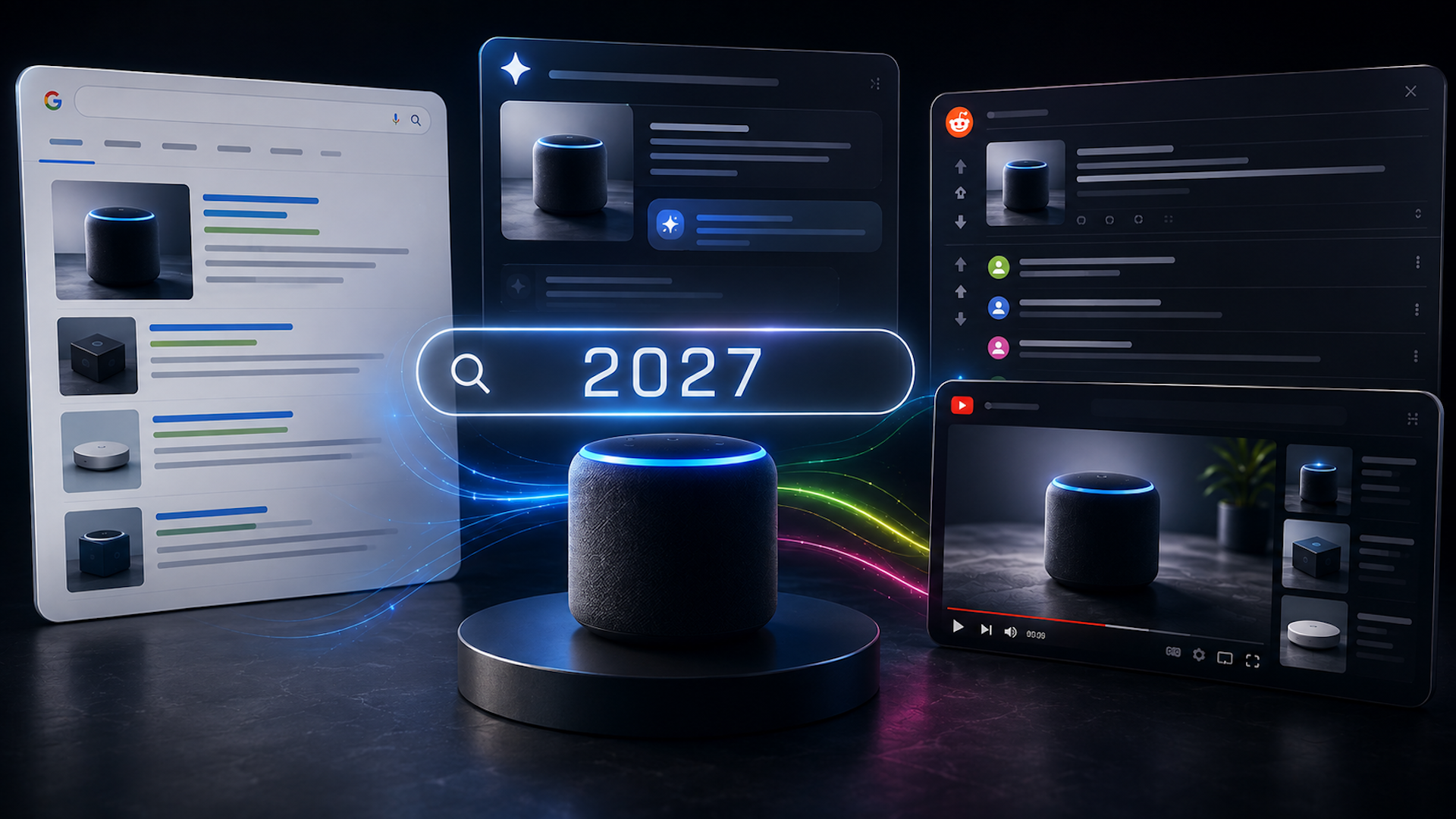
Digital Otters, a Lahore‑based agency, has positioned itself as Pakistan’s premier AI Search and Answer Engine Optimization (AEO) provider. Its new AI Search Visibility service helps local businesses appear directly in AI‑generated answers from platforms such as ChatGPT, Google Gemini, Perplexity and Google AI Overviews.

Bowen AI Strategy Group has grown from a Pittsburgh shop into a national agency offering GEO, AEO, and AI‑generated video services, giving local businesses a clear edge in AI‑driven search results.
CarLocal.io has significantly enhanced its automotive AI answer engine, equipping auto remarketing firms with a robust tool to improve their visibility in AI-driven search results. This upgrade aims to boost exposure on platforms such as ChatGPT, Perplexity, Gemini, and Google AI Overviews.
DM Tech Labs has launched a new **Conversion-First Web Architecture** designed to enhance the visibility of local businesses in AI search platforms such as ChatGPT and Google AI, while also improving conversion rates. This innovative framework prioritizes actionable metrics like form submissions and online sales, making it easier for businesses to connect with potential customers.
UpliftAI’s September report reveals that more than 70% of local searches now resolve without a click, driven largely by AI assistants. To remain visible, local businesses must tighten citations, adopt structured data, and craft content that fits featured snippets.
Microsoft’s Bing is swapping its Copilot sidebar for a new AI mode that delivers concise, context‑aware answers directly in search tabs. This shift means local businesses can appear in AI‑generated results if their Bing Places listings are accurate and up‑to‑date.
Fiverr’s latest data shows a 35 % surge in demand for search‑focused freelancers, highlighting a widening skill gap among marketers. For local businesses, mastering AI‑ready SEO now determines whether they appear in conversational search results and attract foot traffic.
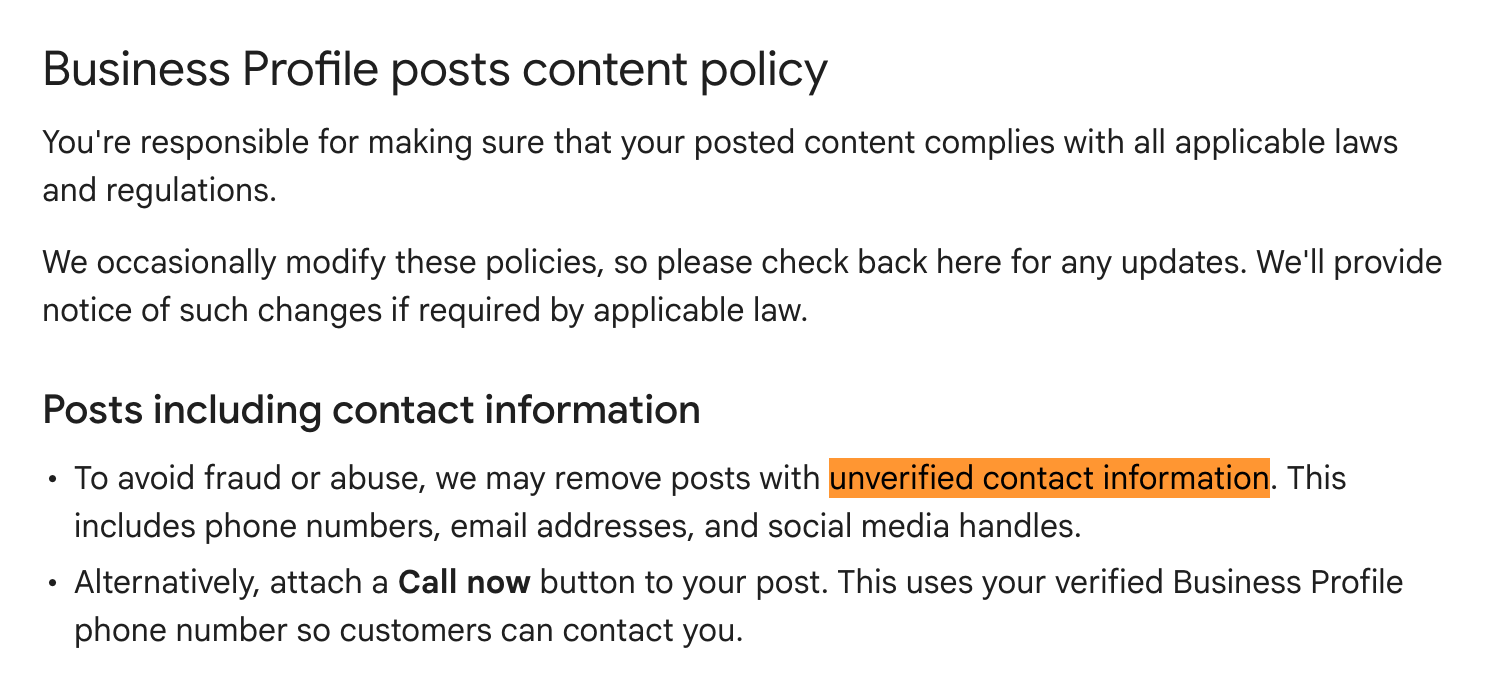
Google has tightened its Google Posts rules: only phone numbers that are verified in a Google Business Profile can appear in posts. Unverified numbers are now blocked, which improves the reliability of contact data that AI tools harvest from Google.
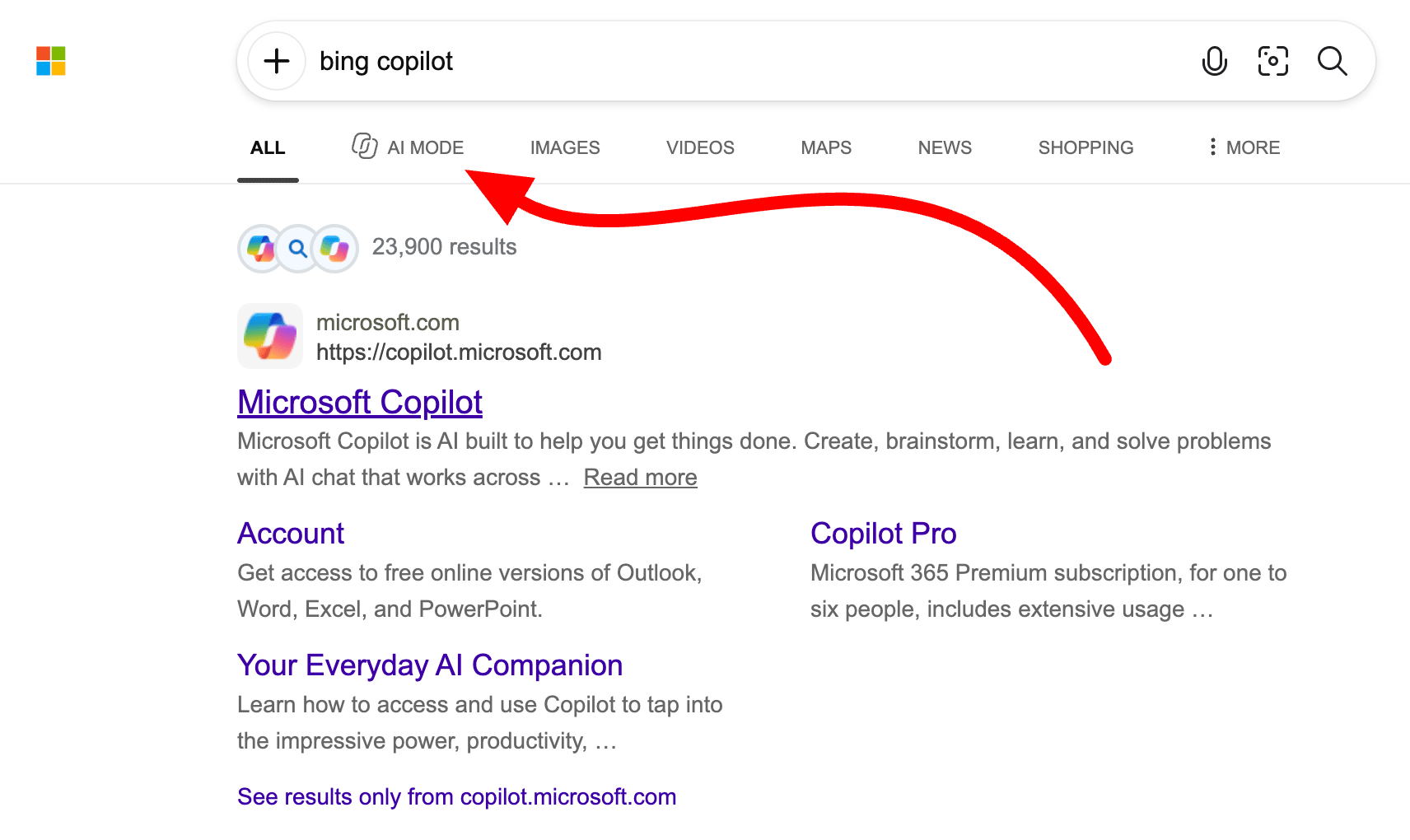
Microsoft is testing a rename of its Copilot search tab to AI Mode, matching Google's terminology. The change hints at a more unified, AI‑first search experience that could affect how local businesses appear in Bing results.
DaVoice, a voice‑AI startup, has filed a federal lawsuit accusing Perplexity AI of misappropriating its proprietary wake‑word technology. If the court orders an injunction, Perplexity may have to remove voice‑activation features, a change that could ripple through AI‑driven search results and impact businesses that depend on them.
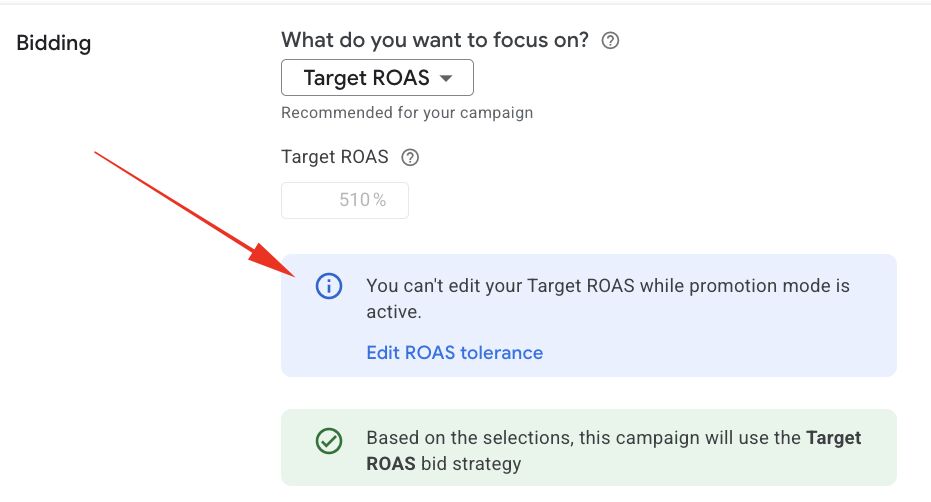
Google Ads now blocks edits to Target ROAS while Promotion Mode is active, forcing advertisers to adjust only the ROAS tolerance. The change limits fine‑grained budget control and may cause a short dip in AI‑driven performance, especially for small businesses that depend on tight ROI targets.
DaVoice, a Bangalore‑based AI voice‑assistant startup, has sued Perplexity AI for allegedly stealing its proprietary wake‑word technology. The lawsuit could reshape how AI‑search platforms use proprietary components and impact businesses that depend on these services for local visibility.
BlckPanda Creative’s latest guide shows that small businesses can secure AI‑search citations by delivering clear, authoritative content instead of relying on high advertising spend. It outlines practical tactics—structured data, accurate NAP information, and quality backlinks—that help brands appear in ChatGPT, Gemini, and Google AI overviews. By following the step‑by‑step playbook, local owners can boost visibility and trust in conversational‑AI conversations.
Google’s new AI overview feature can now interpret bizarre or invented phrases, offering clear explanations that can boost local business visibility and accurate AI citations.
A large‑scale disinformation campaign is feeding AI chatbots bogus contact details for 374 well‑known brands, causing fake phone numbers and support pages to appear in AI‑driven search results. The error threatens businesses by eroding trust, diverting customers to phishing sites, and hurting online visibility.
West Pro Media Services Ltd has released a practical guide that shows small and medium‑sized businesses how to get cited by AI tools like ChatGPT and Google AI Overviews. The framework breaks down retrievability, citation, recommendation, and traffic, and reminds owners that solid SEO fundamentals, original evidence, and clear entity signals remain essential for AI visibility.
UpliftAI’s latest analysis shows that 73 % of Google searches now end without a click, a shift driven by AI Overviews and chatbots. To stay visible, local businesses must adopt AI‑friendly content, structured data, and strong citation profiles rather than relying solely on traditional rankings.
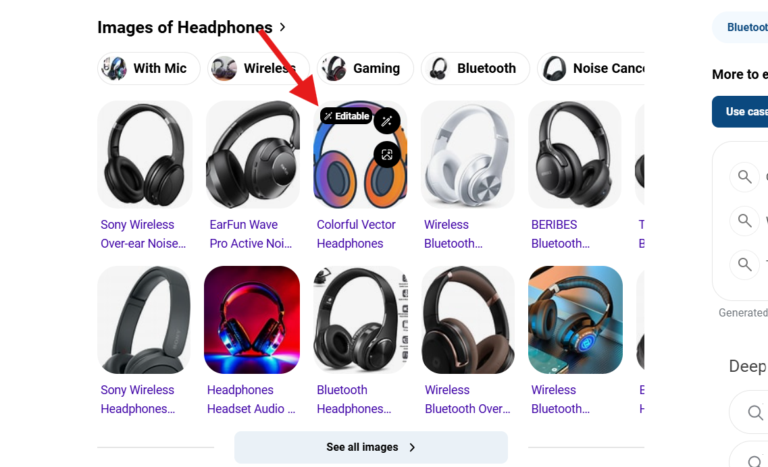
Microsoft Bing is piloting an editable icon on search‑result images, allowing users to modify captions through Bing’s AI editor. The changes are indexed in near real‑time, giving businesses a new way to shape how their visuals appear in AI‑driven search results.

OpenAI's admission that its AI trainers deviated from established quality-rating guidelines raises significant implications for how AI-driven search tools rank local businesses. Marketers must quickly adjust their strategies to navigate the potential shifts in visibility.
A new study shows Google, OpenAI and ChatGPT now capture the lion's share of AI‑referenced web traffic. For local businesses, this shift reshapes how customers discover products and services online.
A software glitch in Google Maps’ routing engine misdirected drivers across Scotland in late March, creating widespread traffic jams and delivery delays. The outage lasted about 48 hours, cutting foot traffic by up to 40 % and inflating advertising costs for local businesses.
Get the top AI-search and GEO stories in your inbox once a day, no spam.