
A recent SEJ analysis reveals that ChatGPT, Gemini and Claude now command roughly 78% of AI‑search citations, while Perplexity’s share has slipped to about 5%. Business owners should concentrate their AI‑visibility efforts on the three dominant models, but retain a modest presence on niche tools for highly specialized queries.

Even if your site lands on Google’s first page, large language models may still favor competitors in their responses. This article explains why AI citations stem from a distinct set of trusted domains and offers practical steps to secure your brand’s presence in AI‑driven answers.

As AI search tools become increasingly prevalent, businesses must evolve their SEO strategies to remain visible and engaging in 2027. This article outlines the essential priorities for adapting to the changing landscape of digital marketing.
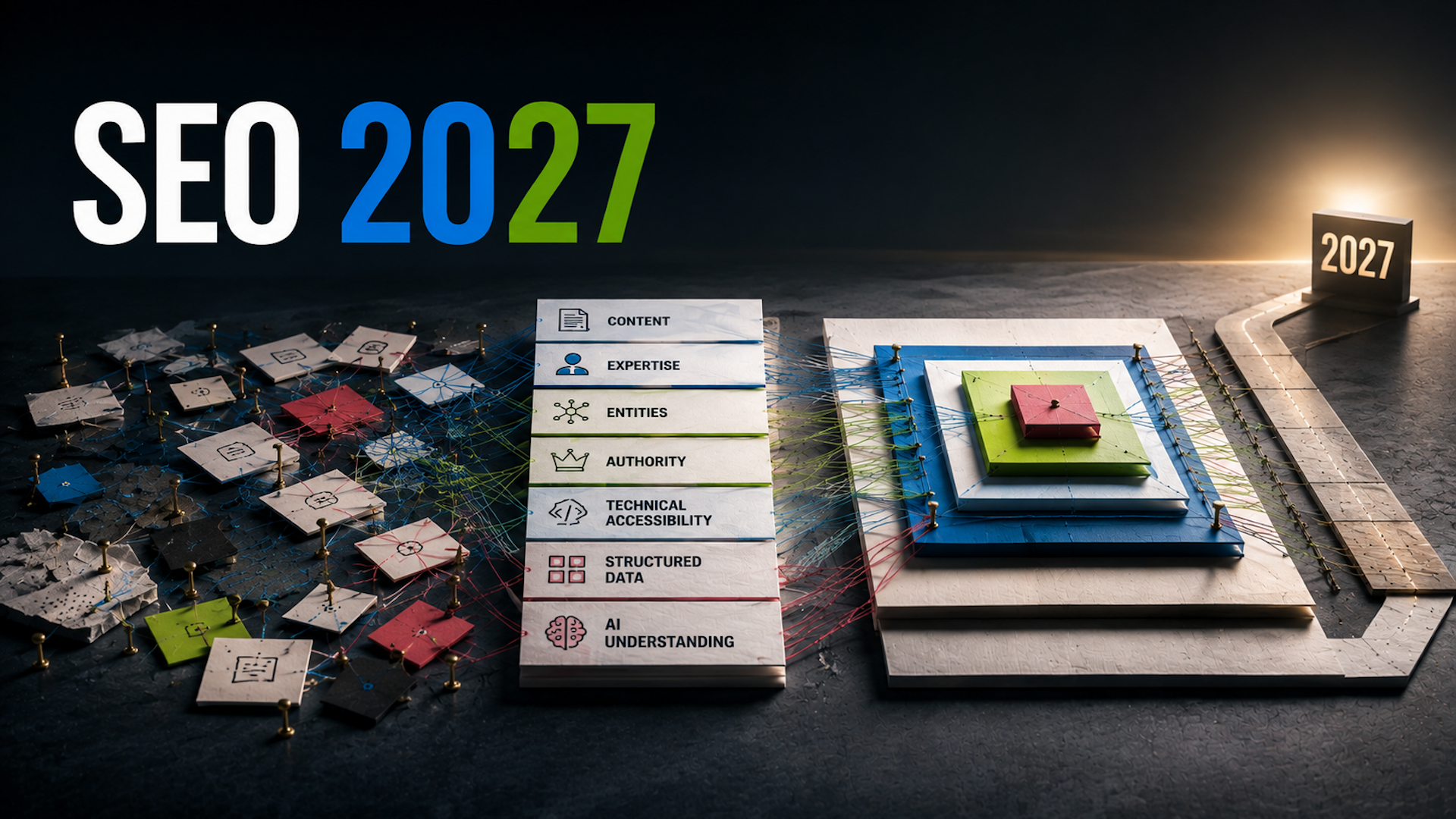
Recent search marketing hiring trends show a massive surge in demand for Generative Engine Optimization (GEO) and Answer Engine Optimization (AEO) professionals. High-paying strategist and director positions signal that businesses and agencies are prioritizing visibility in platforms like ChatGPT, Gemini, and Google AI Overviews. For business owners, this confirms that being cited by AI models is now a core commercial priority.

Modern searchers rarely follow a straight path to conversion, making cross-channel visibility essential. A 26-week case study published in Search Engine Land demonstrates how aligning SEO and PPC efforts eliminates friction points and builds brand authority across every buyer touchpoint.

Google’s John Mueller clarified that impressions from generative AI features do not align neatly with the traditional position rankings in Search Console. This evolution requires businesses to rethink their strategies for measuring visibility and optimizing for AI-driven results.

Le Monde found that AI‑generated search overviews have not caused a measurable dip in its readership, indicating that AI snippets can coexist with traditional organic traffic. For local businesses, the findings offer a clear path to remain visible as search results become increasingly AI‑driven.


Google DeepMind unveiled an Autoregressive Ranking (ARR) model that could replace the traditional dual‑encoder/cross‑encoder pipeline, allowing a single LLM to produce a fully ordered search result list. For local businesses, the shift means search engines will prioritize conversational, semantically rich content and robust structured data, reshaping how AI assistants cite and surface brand information.
Brands are testing a new form of advertising that targets AI assistants such as ChatGPT, Gemini, and Claude. The approach is still experimental, with few buying options, ambiguous measurement, and rapidly changing platform policies. Local businesses should start preparing their data now to stay visible when AI‑centric ad placements become mainstream.

Local businesses can now dominate AI search by ensuring their listings are accurate, gathering reviews, publishing local content, and engaging with community forums. Search Engine Journal’s guide, along with the free AI Visibility Checklist and an upcoming webinar, offers concrete steps to turn visibility data into marketing actions.

Le Monde reports that Google’s AI Overviews have not caused a noticeable dip in its traffic, easing early fears that AI‑generated snippets would cannibalise news readership. The finding suggests that well‑structured, answer‑focused content can coexist with AI snippets, offering local businesses a viable path to stay visible in AI‑driven search results.
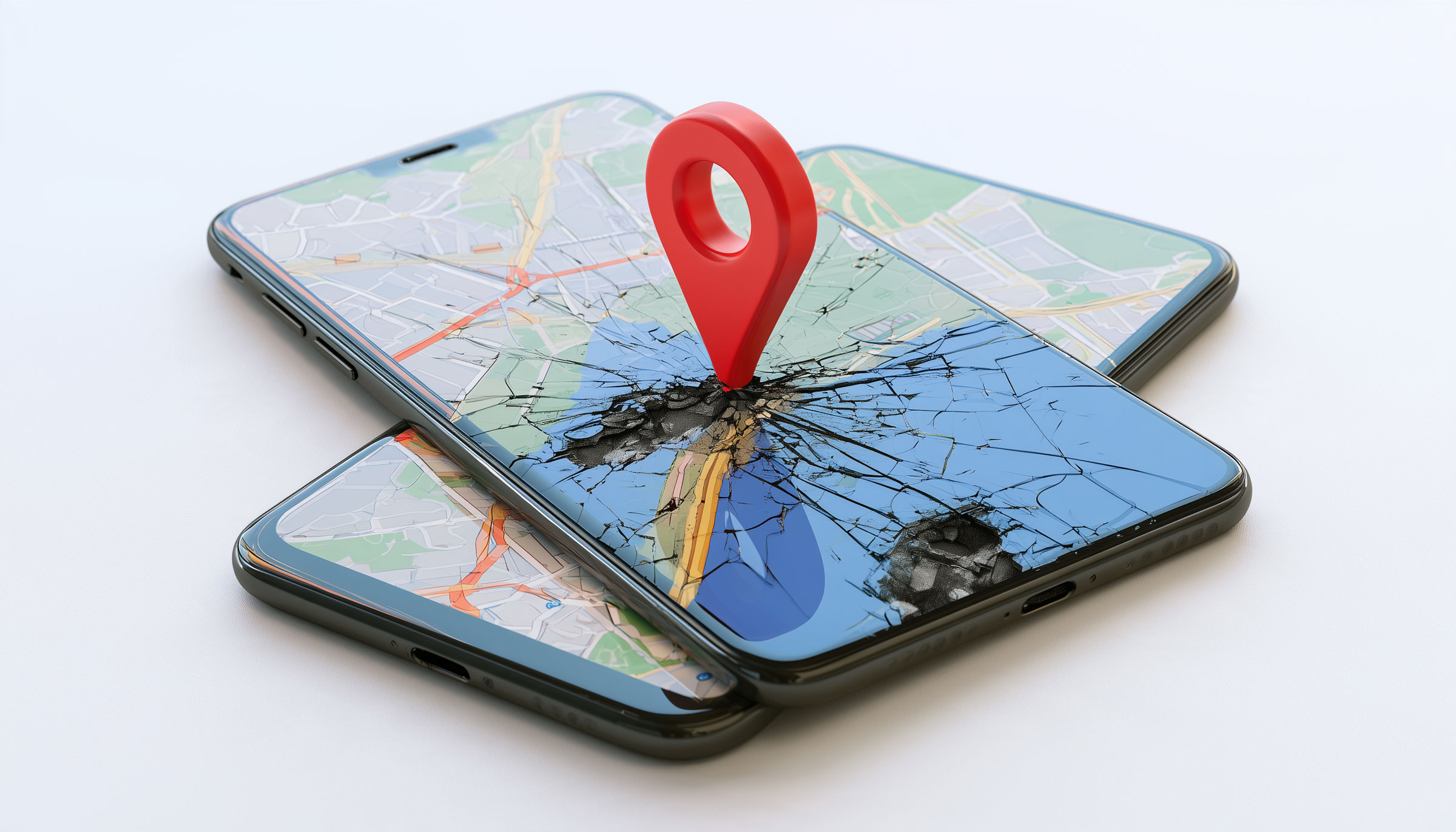
Scammers are exploiting the Google Maps contributor program to upload AI‑generated images that display fake phone numbers, tricking users into calling the wrong number. Local businesses need to act fast to protect their listings and customers.
OpenAI has introduced ChatGPT Images 2.5, a next‑generation image‑generation model that preserves style and composition across multiple edits. The rollout adds Sketch mode, a template library, collaborative comments, and a prompt‑sharing hub, giving small businesses a faster, cheaper way to produce on‑brand visuals that rank well in AI‑driven search.
AI detectors are transforming how search engines assess content, prompting business owners to adapt their strategies for maintaining visibility. This article explores the technology behind these tools and offers actionable steps to ensure local businesses thrive in an AI-driven search landscape.
Google’s Gemini AI now supports memory import, letting users bring previous chat logs into new conversations. For local businesses, the feature promises richer, more personalized AI interactions that can boost search visibility, streamline support, and enhance marketing efficiency.
European comparison‑shopping services warn that Google’s new Direct‑to‑Google rule could push retailers onto Google’s own listings, raising CPCs and reducing the diversity of product sources used by AI search tools.
AI‑powered search tools are reshaping visibility for YMYL industries, making independent AI citation more important than traditional first‑page rankings. Businesses that fail to meet AI trust criteria risk losing traffic even if they currently rank #1 on Google.
AI Overviews aggregate citations from sources that rarely appear in traditional organic search results, with almost half of the references differing from standard rankings. This divergence underscores a shift in how AI tools surface information and signals that marketers must broaden their visibility strategies beyond conventional SEO. Understanding this gap can help business owners target both AI‑driven and organic channels effectively.

Uberall’s latest study examined 120,000+ AI mentions across 3,793 U.S. locations, revealing that all five major models—ChatGPT, Claude, Gemini, Grok, and Perplexity—reward the same four signals: review volume, star rating, fresh content, and accurate NAP data. Small businesses can now level the playing field by focusing on these proven metrics.
Adforus has launched a generative‑AI search‑optimization service that feeds up‑to‑date business data to chat‑based assistants like ChatGPT, Gemini, Perplexity and Google AI. The platform automates the creation of AI‑friendly content and structured markup, helping local merchants boost discoverability, credibility and sales.
Google is adding a Live Game Feed to Search that streams real‑time NFL updates, short video clips, fan reactions, and Gemini‑powered fantasy insights. The new slot on the first page gives local businesses a fresh chance to appear alongside the feed and to be cited by AI tools.
Search interest in State Fair of Texas food offerings has jumped 600% nationwide as the fair prepares to open on September 25. Visitors are turning to Google Gemini to discover menu items and plan their visits, creating a sharp spike in AI‑driven queries. For businesses that rely on search visibility, the surge signals a timely opportunity to capture high‑intent traffic.
Google has upgraded Search’s AI Mode to act as a real‑time fantasy football consultant, delivering lineup tips, injury alerts, and trade insights. The same AI‑driven personalization can help small businesses make their online presence more discoverable and responsive.
Two recent studies show a dramatic shift from keyword‑centric searches to conversational, AI‑driven queries. Local businesses must adapt their citations, structured data, and content to remain visible in AI‑powered search results.
Get the top AI-search and GEO stories in your inbox once a day, no spam.