
A recent SEJ analysis reveals that ChatGPT, Gemini and Claude now command roughly 78% of AI‑search citations, while Perplexity’s share has slipped to about 5%. Business owners should concentrate their AI‑visibility efforts on the three dominant models, but retain a modest presence on niche tools for highly specialized queries.

Even if your site lands on Google’s first page, large language models may still favor competitors in their responses. This article explains why AI citations stem from a distinct set of trusted domains and offers practical steps to secure your brand’s presence in AI‑driven answers.

The new AI search report shows ChatGPT holding 45% of AI‑driven queries, with Gemini at 15% and Perplexity at 10%. For local businesses, adapting SEO to these AI platforms is now essential to maintain visibility.
AI assistants are now recommending brands directly in their answers, but most businesses don’t know what’s being said. This guide shows how to monitor those mentions manually or with tools like Semrush, and how to act on the insights.
The article explains why traditional SEO tools miss a growing visibility gap in generative‑AI answers and offers a practical framework for choosing the right AI visibility platform. It outlines key metrics, outcome‑oriented categories, and a step‑by‑step process for local businesses to identify, fix, and measure AI‑driven brand exposure. By adopting a data‑driven tool, marketers can ensure their brand appears in trusted AI responses and drive qualified traffic beyond classic SERPs.

New AI summary tools are reshaping local search results, making it challenging for many New Jersey companies to connect with consumers using platforms like ChatGPT, Gemini, and Google AI. Discover the reasons behind this shift and strategies to enhance your business's visibility.
Google’s latest spam update is reshaping how small businesses rank and earn from their content. The change penalizes thin, duplicate or overly‑optimized pages while rewarding locally relevant, high‑intent assets, and it also tightens AdSense and AI‑content payouts. Business owners can protect their visibility by improving E‑E‑A‑T, updating old content, and diversifying revenue streams.
OpenAI has introduced a virtual‑try‑on feature in ChatGPT that lets users upload a photo and see clothing, shoes, or accessories overlaid on their image. The tool also adds a Favorites button for saving items, positioning ChatGPT as a direct competitor to Google Shopping.
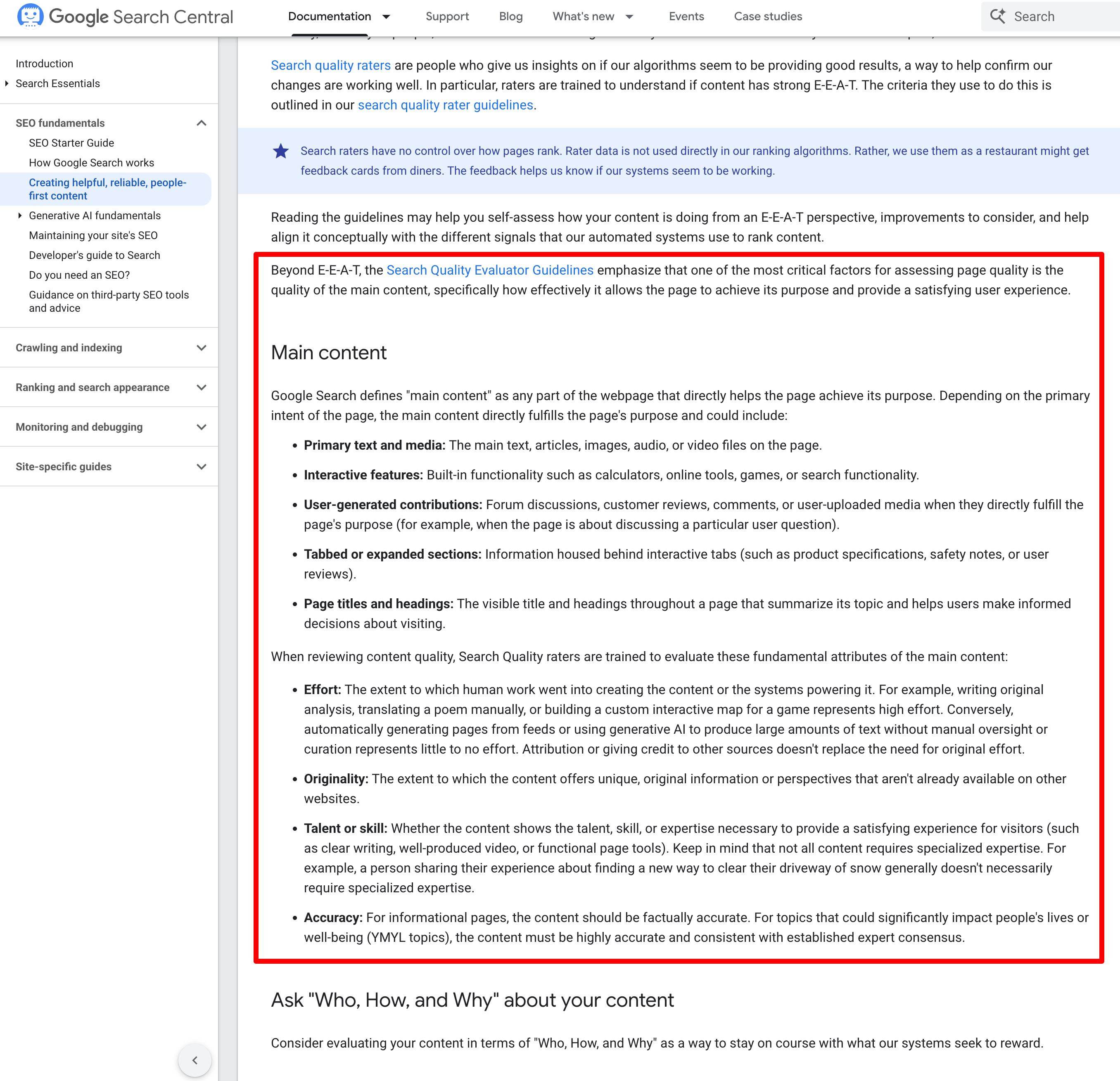
Google refreshed its helpful‑content guidelines, adding two sections that spotlight the main content users read and explain how Search Quality raters evaluate it. The change urges businesses to prioritize depth, originality, and intent alignment in their core copy to stay visible in AI‑driven search results.
A U.S. district judge ruled that Google’s AI‑generated search overviews qualify as fair use, allowing the tech giant to keep displaying concise AI‑written snippets in its results. The decision preserves a new traffic source for businesses that optimize their content for AI‑driven answers.
Google’s new AI Overview panel surfaces concise answers from trusted sites right at the top of search results, giving local businesses a chance to be seen without holding the #1 organic spot. AFFiNCO outlines how smart citations, schema markup, and intent‑focused content can secure a place in these snippets.
EZ Newswire launched Press Release Performance Reports that track how AI engines—including ChatGPT, Gemini, Perplexity, and Google AI Overviews—index, rank, and cite press releases. The new dashboard supplies real‑time visibility, industry benchmarks, and actionable recommendations, turning AI‑driven distribution into a measurable ROI channel for marketers.
AI Geo Elite has rolled out a comprehensive Answer Engine Optimization (AEO) service designed to help small and local businesses secure rankings on AI-powered platforms like ChatGPT and Google AI Overviews. By optimizing for these answer engines, companies can increase their chances of being cited directly by AI tools.

Google is pushing for AI‑generated content to be fact‑checked and is introducing Gemini UTM tags to help marketers track AI citations. At the same time, search leaders are grappling with declining click‑through rates and are re‑evaluating where to allocate 2027 budgets, using an AI visibility scorecard to make the case for ROI.
Trustpoint Xposure’s Q4 audit reveals that 88 % of professional‑service brands lack accurate AI citations, leaving them invisible in major AI search engines. The report pinpoints five common gaps—NAP inconsistencies, missing schema, unverified listings, outdated descriptions, and weak AI‑friendly keywords—and offers a clear, step‑by‑step plan to fix them.
Amazon is pushing a federal appellate court to reverse a recent decision allowing Perplexity's Comet shopping assistant to continue browsing Amazon.com. This legal clash underscores the intensifying friction between traditional retailers and AI search engines over data usage and competitive boundaries.
Israeli AI startup Enso raised $15 million in a Series A led by Y Combinator and Israeli Venture Partners to grow its AI‑powered agents that help local businesses stay visible on emerging AI search platforms like ChatGPT, Gemini, and Google AI.
OpenAI has added a virtual‑try‑on feature to ChatGPT, powered by the new ChatGPT Images 2.5 model. Shoppers can now see clothing, shoes and accessories on themselves or a digital avatar before buying, giving retailers a tool to boost sales, cut returns and improve AI‑search visibility.
Discover how local businesses can secure a spot in Google AI Overviews without needing to dominate the traditional SERP. This guide breaks down the eligibility requirements, content strategies, and the strategic value of capturing this emerging traffic source.
GBP Local Ranker, a specialist in Google Business Profile management and local SEO, launched a new suite of services on October 2, 2026 to help small and midsize businesses dominate both traditional local packs and AI‑driven answer panels. The offering adds AI‑ready audits, a citation engine for emerging assistants, a real‑time visibility dashboard, and ongoing coaching.
The Google Pixel 11 debuts with a $150 price bump, a Tensor G3 chip, brighter OLED display, and a 48‑MP camera, but its standout feature is Gemini Intelligence—Google’s AI suite that can transform local search and content creation for business owners.
OpenAI’s newest update adds a virtual try‑on feature and a product‑saving button to ChatGPT, turning the chatbot into a hands‑on shopping assistant. Retailers can now showcase items, let shoppers visualize fit, and keep favorites—all within the chat experience.
OpenAI has added a virtual fitting feature to ChatGPT, allowing users to upload a photo and preview clothing or accessories from search results on themselves. For local retailers, the tool opens a new channel to boost AI visibility, engagement, and conversions.
Traflow founder Andy Wang has been named a top GEO expert in Asia by the Asia GEO Institute 2026 ranking. This prestigious recognition highlights the growing importance of Generative Engine Optimization and signals a shift in how search results are curated by AI tools for local businesses.
A TiInside report released on Oct 2, 2026 finds that fewer than one percent of Brazilian websites are technically ready for AI agents such as ChatGPT, Gemini, Perplexity, and Google AI Overviews. For local businesses, this shortfall creates a risk of invisibility in AI‑driven search results, but also a clear opening for early adopters to dominate the emerging AI‑first discovery landscape.
Get the top AI-search and GEO stories in your inbox once a day, no spam.