
A recent SEJ analysis reveals that ChatGPT, Gemini and Claude now command roughly 78% of AI‑search citations, while Perplexity’s share has slipped to about 5%. Business owners should concentrate their AI‑visibility efforts on the three dominant models, but retain a modest presence on niche tools for highly specialized queries.

Even if your site lands on Google’s first page, large language models may still favor competitors in their responses. This article explains why AI citations stem from a distinct set of trusted domains and offers practical steps to secure your brand’s presence in AI‑driven answers.

AI-driven discovery is transforming how consumers find storefronts and local brands. While Google's AI Mode and conversational Gemini layer capture user attention directly in search results, traditional organic search still supplies the bulk of raw traffic. To stay competitive, business owners must combine classic SEO foundations with structured, citation-rich content built for AI models.
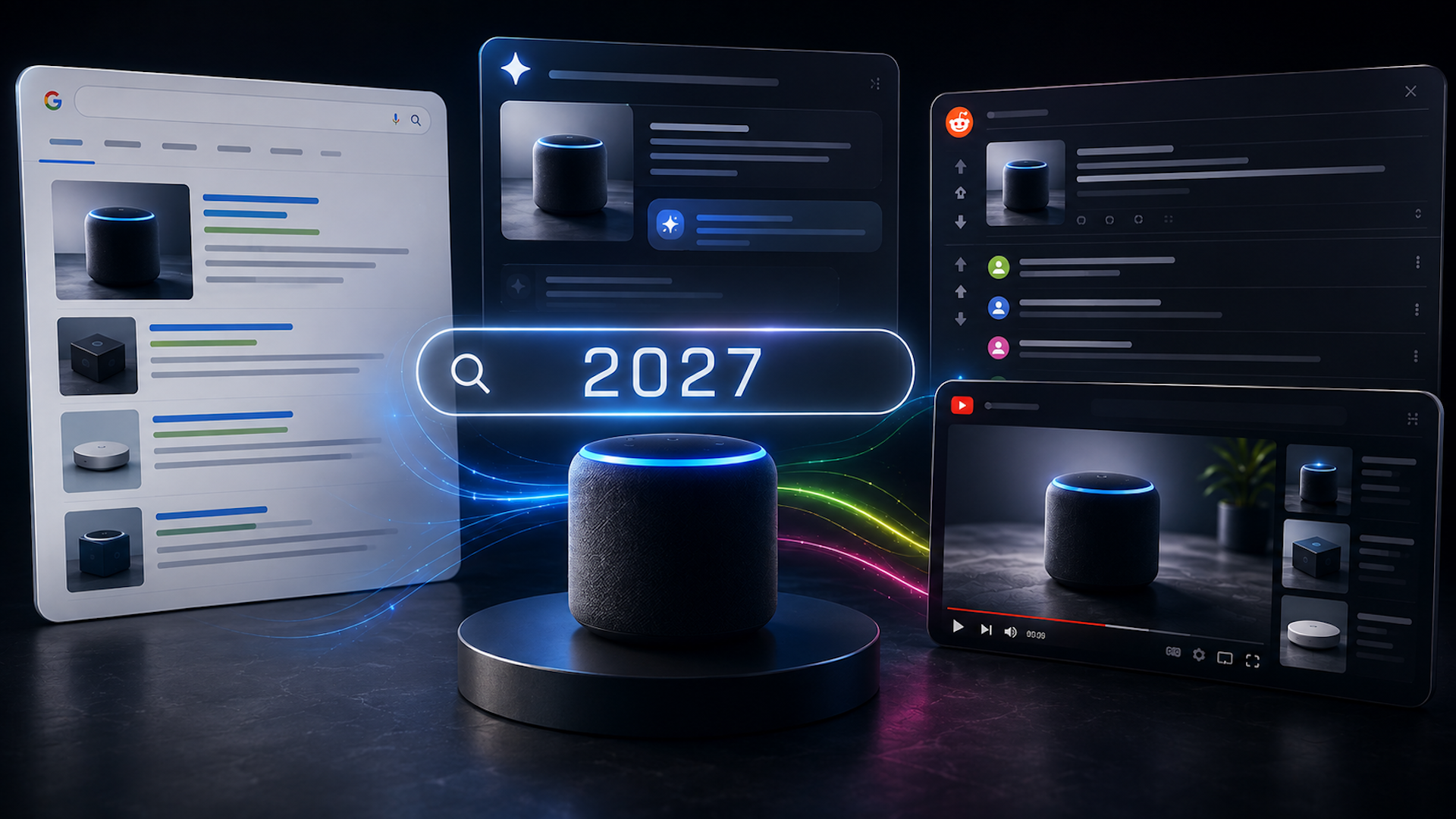
Somantra’s latest AEO and GEO metrics suite extends AI search visibility measurement beyond simple citation counts, introducing Brand Mindshare, Brand Consideration, and Brand Engagement scores that capture whether AI assistants recommend a brand or merely mention it. The platform now covers major AI engines—including ChatGPT, Google AI, Claude, Gemini, and Perplexity—helping businesses identify where their brands truly resonate in multi‑turn conversations.

The article explains why traditional SEO tools miss a growing visibility gap in generative‑AI answers and offers a practical framework for choosing the right AI visibility platform. It outlines key metrics, outcome‑oriented categories, and a step‑by‑step process for local businesses to identify, fix, and measure AI‑driven brand exposure. By adopting a data‑driven tool, marketers can ensure their brand appears in trusted AI responses and drive qualified traffic beyond classic SERPs.
Washington University in St. Louis researchers have identified a troubling pattern in Google’s AI Overviews: roughly a quarter of the claims are wrong and half of the citations are unrelated. This flaw undermines the trust businesses place in AI‑driven search visibility and signals a need for more accurate citation practices.
Google has refreshed key Merchant Center policies, tightening rules on dishonest, dangerous, counterfeit, and sexual content. Learn how the changes affect your product listings and why staying compliant is vital for AI‑driven discovery.
Google’s Nick Fox decries the Digital Markets Act as "sad" and harmful to searchers, stirring a debate that could reshape how local businesses get discovered by AI assistants.
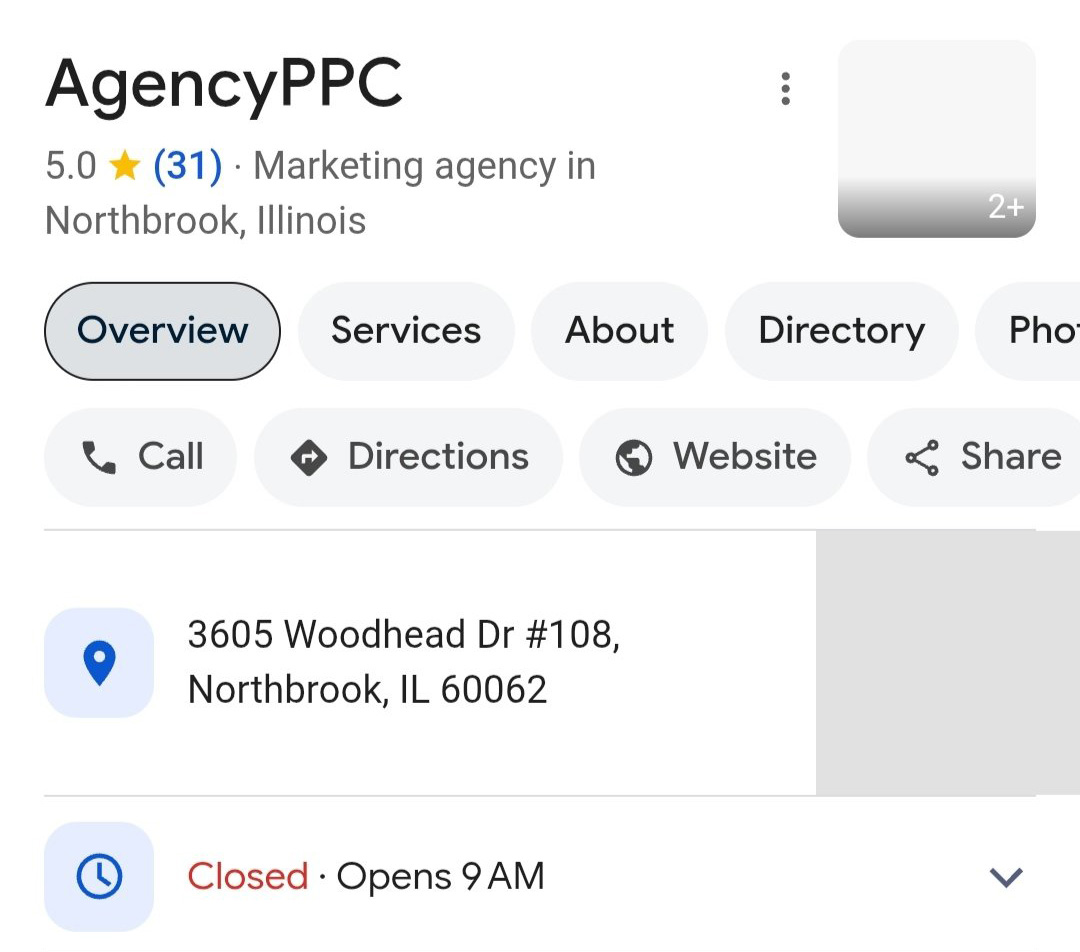
Google is rolling out a new layout for mobile local panels that shows two rows of action buttons, giving users more options at a glance. This change could boost local visibility and click‑through rates for small businesses.
ChatGPT ads are exploding in reach, yet many marketers still struggle to harness them. This report breaks down the growth, challenges, and how local businesses can get a leg up in AI‑powered search.
A new study from mykxlg.com shows that 94 % of searches for AI consultants, AI consulting firms, and AI training now trigger Google AI Overviews. These AI‑generated answer boxes dominate the top of the SERP, reshaping how local businesses are discovered by both human users and AI assistants such as ChatGPT and Gemini.

Google’s new AI‑search roadmap signals a shift toward intent‑driven, locally focused results, underscoring the importance of accurate NAP data, schema markup, and voice‑friendly content. Small businesses that adopt the five fixes—audit NAP, enrich with schema, publish local blogs, manage reviews, and optimize for voice—can boost organic rankings and foot traffic without heavy ad spend.
OpenAI is launching an always‑on ChatGPT companion called “o” for its $100‑per‑month Pro plan, offering instant, context‑aware replies that remain active in the background. Local businesses can leverage “o” for real‑time customer support, streamlined content creation, and enhanced visibility in AI‑driven search results. Early adopters may see faster conversions and reduced support costs.

Local businesses are finally showing up in AI‑driven answers, but a single negative flag can send prospects away. Learn how to add context to AI models so they become advocates, not critics, and keep your brand in the conversation.

Local businesses in regulated sectors can now turn trust into a conversion engine by testing credibility claims, staying compliant, and leveraging AI‑driven citations. This blended approach merges classic CRO tactics with regulatory safeguards, giving marketers a clear roadmap to earn customer confidence and rank higher in AI‑search results.
A recent study shows that 94% of searches for AI consulting terms now trigger Google’s AI Overviews, signaling a shift away from traditional SERPs. This change means businesses must focus on being cited by AI engines rather than merely ranking for keywords. The new landscape demands stronger local SEO, entity consistency, and structured content to stay visible.
Google is paying about 100 digital publishers to create short, authoritative AI overviews that chat tools can quote directly, giving local businesses a chance to gain instant visibility and revenue in the AI‑search ecosystem. These summaries will appear in AI answer boxes, exposing brands to millions of users who might not otherwise visit their sites. By partnering with a publisher or crafting an overview themselves, small businesses can tap a new revenue stream while boosting search authority.
Ontario‑based Ignite Digital has added Generative Engine Optimization (GEO) to its core SEO packages, enabling local businesses to appear in AI‑generated search summaries. The move shifts focus from traditional keyword rankings to being cited as a trusted source in AI answers, helping clients stay visible as AI search tools become mainstream.
Alphabet’s AI upgrades across Search, Cloud, YouTube and the Gemini ecosystem are reshaping how businesses appear online. Small‑business owners who tidy their schema, Google Business Profile and video assets can tap into AI‑generated answer boxes and stay ahead of rivals like Meta.
Google’s AI Mode and AI Overviews turn traditional search results into conversational answers and top‑of‑page summaries. For local businesses, visibility now comes from citation blocks as well as clicks, making structured, trustworthy content essential.
Brandi AI has earned a G2 Fall 2026 High Performer award for Answer Engine Optimization, cementing its status as a leading solution for businesses that want AI‑powered answer engines. The accolade confirms that Brandi AI can help local businesses get discovered and cited by major AI tools such as ChatGPT, Perplexity, Gemini, and Google AI.

Cloudflare has launched EmDash 1.0, a new CMS built on Astro that bundles an AI‑driven site builder. While it promises faster pages and tighter AI integration, the platform ties every asset, edge function, and model call to Cloudflare, creating a clear lock‑in for small‑business owners.
A California woman was arrested after using Google’s AI Overviews to poach protected ornamental birds. The incident illustrates how AI‑generated summaries can mislead users and jeopardize local businesses that depend on accurate search results.
Google’s March MarTech report details how generative AI search models rank content, emphasizing context, intent, and structured data. VisibilityAI translates those guidelines into concrete actions that help small businesses climb AI‑driven answer boxes and boost local discovery.

Shopify has rolled out WebMCP tools into its checkout flow, letting browser‑based AI agents read, update, and complete orders. Small retailers can now tap AI‑driven sales and citation opportunities without extra APIs.
Get the top AI-search and GEO stories in your inbox once a day, no spam.