
A recent SEJ analysis reveals that ChatGPT, Gemini and Claude now command roughly 78% of AI‑search citations, while Perplexity’s share has slipped to about 5%. Business owners should concentrate their AI‑visibility efforts on the three dominant models, but retain a modest presence on niche tools for highly specialized queries.

Even if your site lands on Google’s first page, large language models may still favor competitors in their responses. This article explains why AI citations stem from a distinct set of trusted domains and offers practical steps to secure your brand’s presence in AI‑driven answers.

As AI search tools become increasingly prevalent, businesses must evolve their SEO strategies to remain visible and engaging in 2027. This article outlines the essential priorities for adapting to the changing landscape of digital marketing.
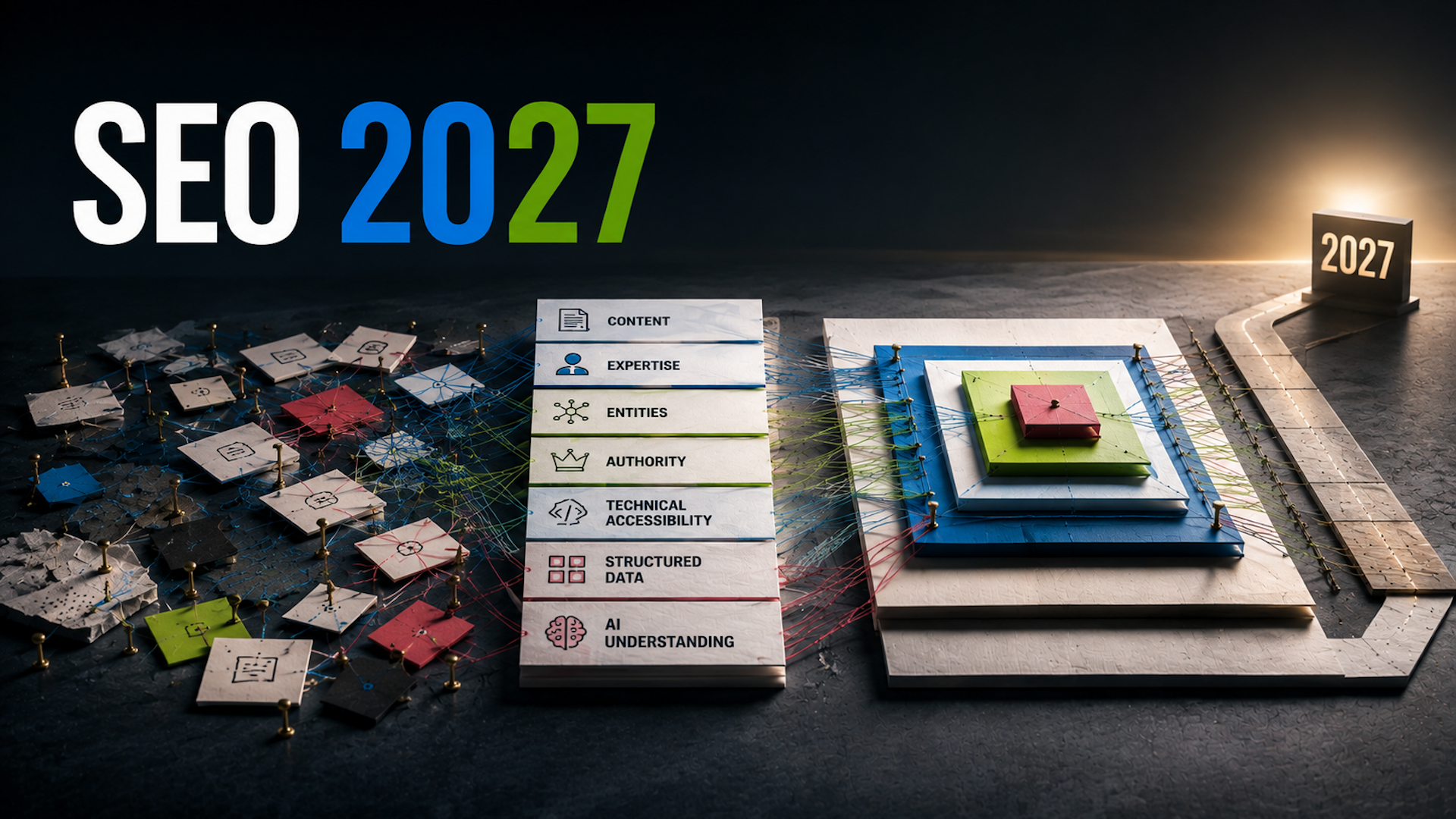
Recent search marketing hiring trends show a massive surge in demand for Generative Engine Optimization (GEO) and Answer Engine Optimization (AEO) professionals. High-paying strategist and director positions signal that businesses and agencies are prioritizing visibility in platforms like ChatGPT, Gemini, and Google AI Overviews. For business owners, this confirms that being cited by AI models is now a core commercial priority.

Modern searchers rarely follow a straight path to conversion, making cross-channel visibility essential. A 26-week case study published in Search Engine Land demonstrates how aligning SEO and PPC efforts eliminates friction points and builds brand authority across every buyer touchpoint.


Digital marketing and ad tech company Adforus has rolled out a specialized Generative Engine Optimization (GEO) service designed to capture visibility across platforms like ChatGPT. The launch highlights an accelerating global shift as brands adapt to conversational search. For business owners, it signals that optimizing for AI citations is quickly moving from a novel tactic to an essential marketing discipline.
Engel & Völkers Middle East has launched a dedicated property search tool inside ChatGPT, making it the first UAE real estate brokerage to offer native conversational listing discovery. The rollout underscores a growing shift toward in-chat commerce, showing how traditional property portals are steadily losing ground to interactive AI interfaces.
A recently uncovered Google AI Overview Easter egg, triggered by a completely blank query, offers an intriguing glimpse into how the search engine parses input behind the scenes. For business owners, the quirk is a practical reminder of how unpredictably AI models interpret search parameters—and why optimizing your digital footprint for AI-driven discovery is now essential.

Google has expanded Data Manager into Analytics and Display & Video 360 while introducing an uplift metric to help local brands measure true incremental return on ad spend. These updates give small business owners a unified view of first-party data, clearer attribution, and actionable insights to guide ad budgets and AI search visibility ahead of Q4.

YouTube is expanding 'Get Feedback,' a built-in mobile feature that audits Shorts for hook strength, pacing, and visual interest before publication. For business owners, the tool offers a direct window into how Google assesses video quality, helping creators refine short-form clips to earn citations in AI search results.

Google has made its Meridian GeoX tool available worldwide, enabling local businesses to run geographic incrementality experiments and better measure the true impact of their advertising. This update helps brands improve AI visibility and citation accuracy across search engines.

AI‑driven ad formats such as Google's Performance Max and Microsoft's AI Max give advertisers a choice: surrender control to automation or maintain oversight. This guide explains how to blend transparency, creative guardrails, and precise targeting so you can harness AI’s power without losing command.

OpenAI has tightened its advertising rules in ChatGPT, banning campaigns that promote standalone image‑ and voice‑generation tools. The change, quietly communicated to partners, has already affected major advertisers like Adobe and coincides with OpenAI’s own rollout of in‑app image and voice capabilities. Business owners tracking AI search visibility should reassess paid strategies and focus on organic discoverability.
Google’s John Mueller clarified that impressions from generative AI features do not align neatly with the traditional position rankings in Search Console. This evolution requires businesses to rethink their strategies for measuring visibility and optimizing for AI-driven results.
Le Monde found that AI‑generated search overviews have not caused a measurable dip in its readership, indicating that AI snippets can coexist with traditional organic traffic. For local businesses, the findings offer a clear path to remain visible as search results become increasingly AI‑driven.


Google DeepMind unveiled an Autoregressive Ranking (ARR) model that could replace the traditional dual‑encoder/cross‑encoder pipeline, allowing a single LLM to produce a fully ordered search result list. For local businesses, the shift means search engines will prioritize conversational, semantically rich content and robust structured data, reshaping how AI assistants cite and surface brand information.
Brands are testing a new form of advertising that targets AI assistants such as ChatGPT, Gemini, and Claude. The approach is still experimental, with few buying options, ambiguous measurement, and rapidly changing platform policies. Local businesses should start preparing their data now to stay visible when AI‑centric ad placements become mainstream.

Local businesses can now dominate AI search by ensuring their listings are accurate, gathering reviews, publishing local content, and engaging with community forums. Search Engine Journal’s guide, along with the free AI Visibility Checklist and an upcoming webinar, offers concrete steps to turn visibility data into marketing actions.

Le Monde reports that Google’s AI Overviews have not caused a noticeable dip in its traffic, easing early fears that AI‑generated snippets would cannibalise news readership. The finding suggests that well‑structured, answer‑focused content can coexist with AI snippets, offering local businesses a viable path to stay visible in AI‑driven search results.
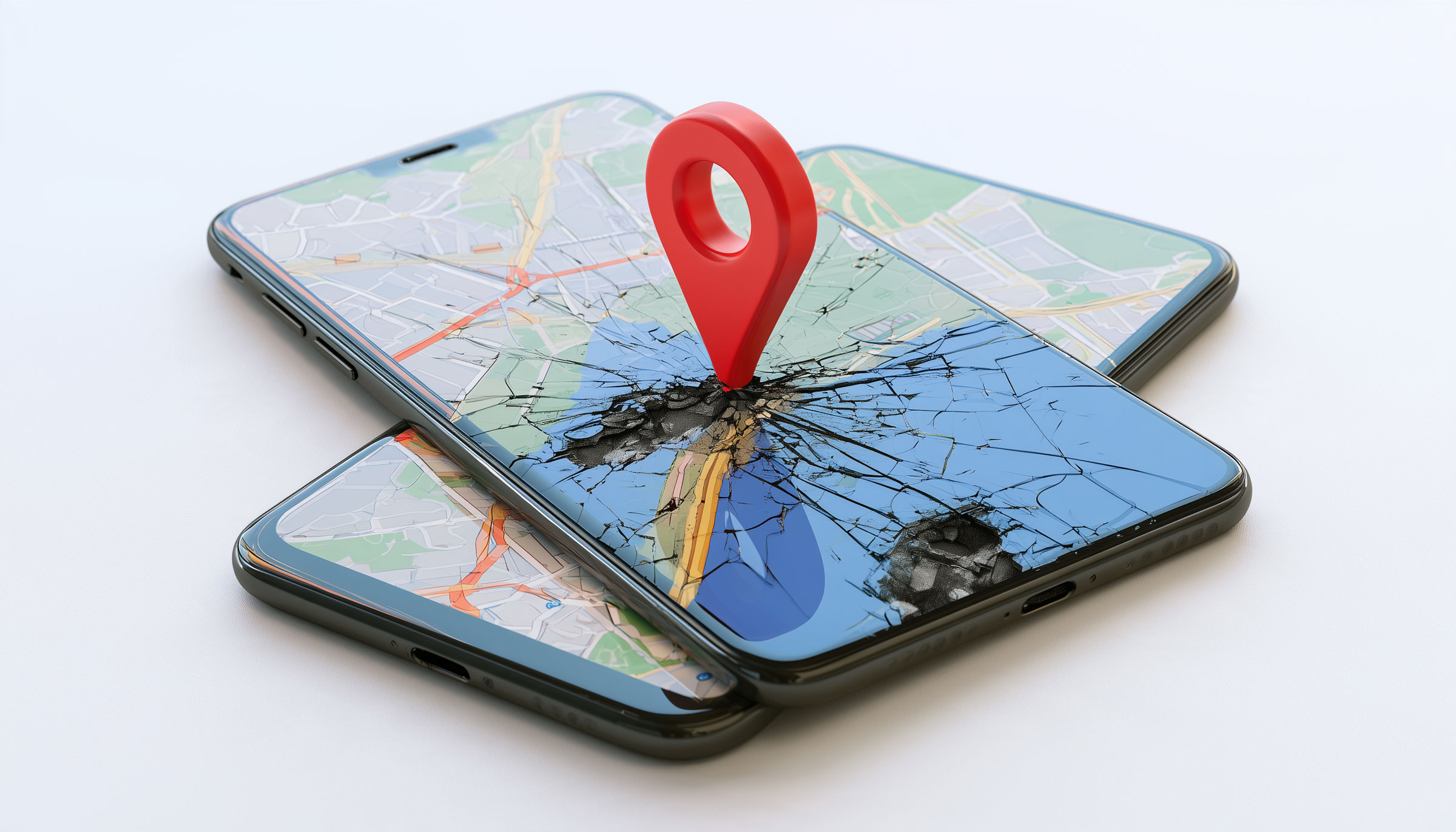
Scammers are exploiting the Google Maps contributor program to upload AI‑generated images that display fake phone numbers, tricking users into calling the wrong number. Local businesses need to act fast to protect their listings and customers.
OpenAI has introduced ChatGPT Images 2.5, a next‑generation image‑generation model that preserves style and composition across multiple edits. The rollout adds Sketch mode, a template library, collaborative comments, and a prompt‑sharing hub, giving small businesses a faster, cheaper way to produce on‑brand visuals that rank well in AI‑driven search.
AI detectors are transforming how search engines assess content, prompting business owners to adapt their strategies for maintaining visibility. This article explores the technology behind these tools and offers actionable steps to ensure local businesses thrive in an AI-driven search landscape.
Google’s Gemini AI now supports memory import, letting users bring previous chat logs into new conversations. For local businesses, the feature promises richer, more personalized AI interactions that can boost search visibility, streamline support, and enhance marketing efficiency.
European comparison‑shopping services warn that Google’s new Direct‑to‑Google rule could push retailers onto Google’s own listings, raising CPCs and reducing the diversity of product sources used by AI search tools.
Get the top AI-search and GEO stories in your inbox once a day, no spam.