
AI-driven discovery is transforming how consumers find storefronts and local brands. While Google's AI Mode and conversational Gemini layer capture user attention directly in search results, traditional organic search still supplies the bulk of raw traffic. To stay competitive, business owners must combine classic SEO foundations with structured, citation-rich content built for AI models.
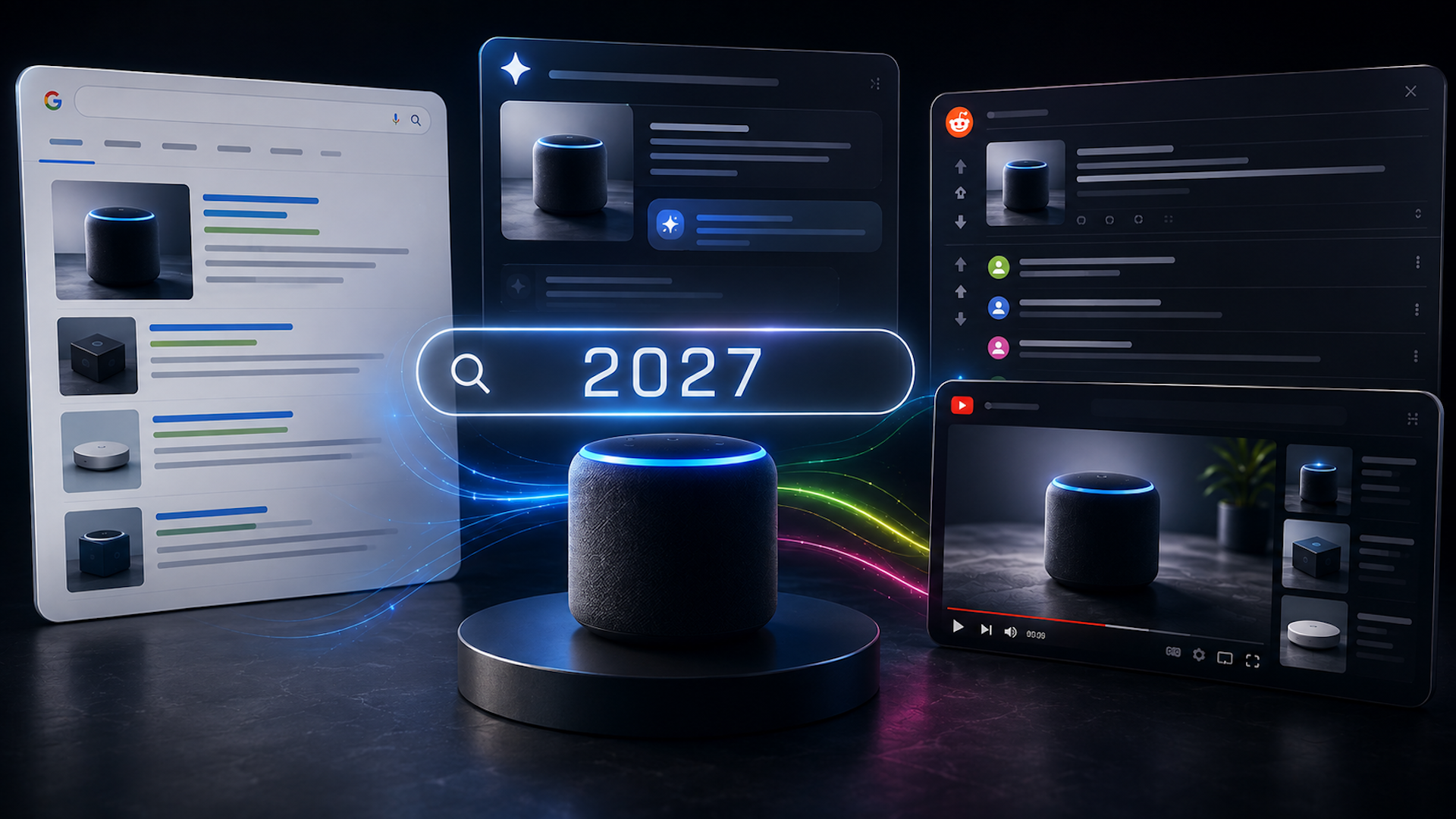
As AI search tools become increasingly prevalent, businesses must evolve their SEO strategies to remain visible and engaging in 2027. This article outlines the essential priorities for adapting to the changing landscape of digital marketing.
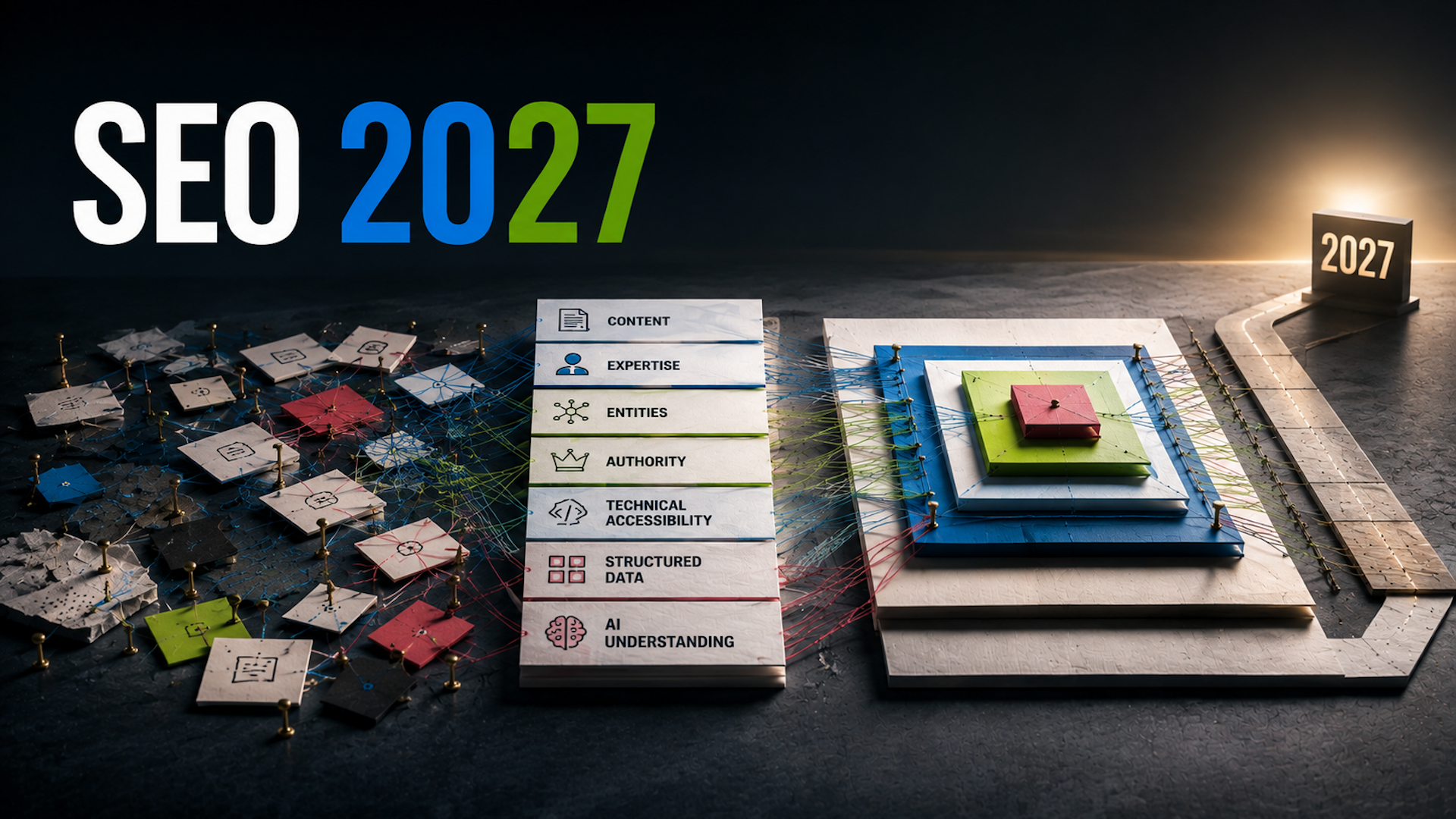
Recent search marketing hiring trends show a massive surge in demand for Generative Engine Optimization (GEO) and Answer Engine Optimization (AEO) professionals. High-paying strategist and director positions signal that businesses and agencies are prioritizing visibility in platforms like ChatGPT, Gemini, and Google AI Overviews. For business owners, this confirms that being cited by AI models is now a core commercial priority.

Modern searchers rarely follow a straight path to conversion, making cross-channel visibility essential. A 26-week case study published in Search Engine Land demonstrates how aligning SEO and PPC efforts eliminates friction points and builds brand authority across every buyer touchpoint.

The new AI search report shows ChatGPT holding 45% of AI‑driven queries, with Gemini at 15% and Perplexity at 10%. For local businesses, adapting SEO to these AI platforms is now essential to maintain visibility.

Google has introduced AI‑generated collection names in Image Search, letting users save images into folders suggested by Gemini. For small businesses, the feature speeds up image organization and may provide a semantic edge in AI‑driven search results.
Google’s latest AI‑powered updates—from Gemini 3.8 Live to Merchant Center insights—are reshaping local search visibility. The September 16 forum highlights new tools that let businesses surface directly in AI answers, optimize ads for speed, and track cross‑platform ROI. Adapting to these changes can boost clicks, foot traffic, and overall return on investment.
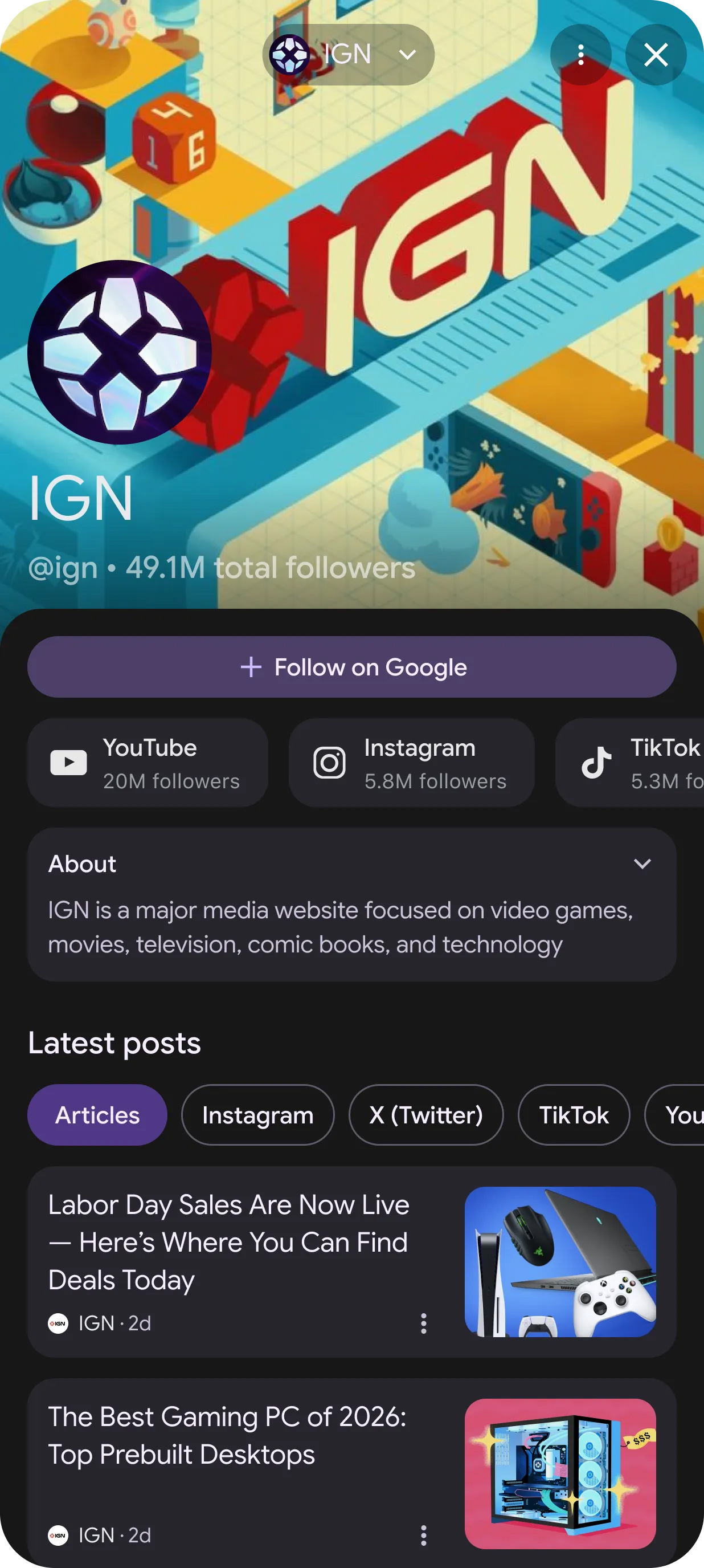
Google has refreshed Search Profiles with a cleaner article layout, a single‑login system, and a lowered follower threshold of 10,000. The changes make it simpler for local and midsize businesses to publish, manage, and gain visibility, especially as AI assistants draw more content from Google’s curated streams.
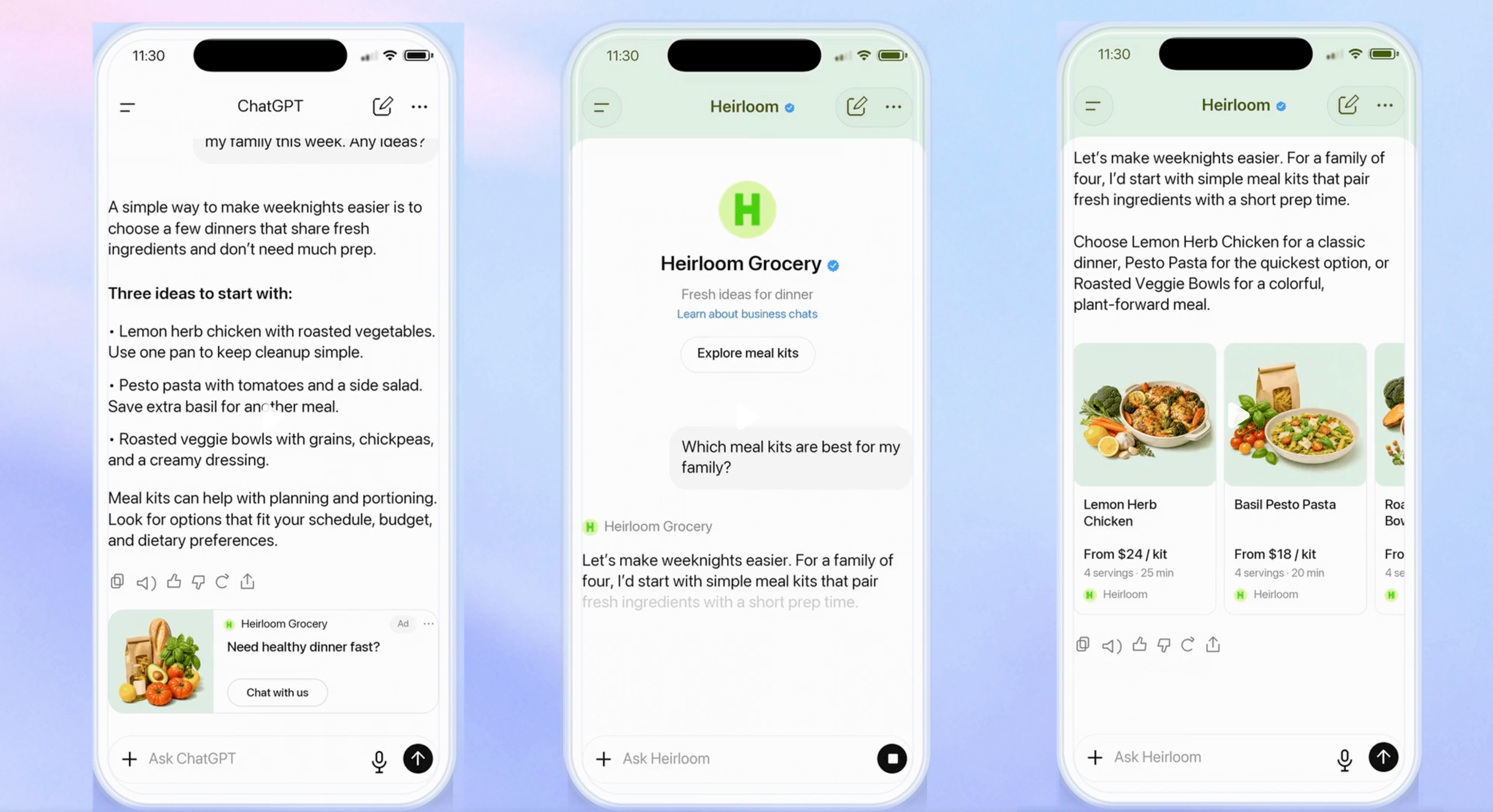
OpenAI is piloting Sponsored Agents, a new ad format that lets users start a branded chat inside ChatGPT after clicking an ad. For local businesses, the format promises deeper engagement and higher conversion rates directly within the AI platform.

A recent Search Engine Journal webinar showed that simply mirroring top‑ranking pages won’t secure AI citations. By following a validated content workflow that emphasizes information gain, businesses can create AI‑ready pages that get indexed and cited.

Google’s new Search Profile Badge lets businesses embed a follow button on their site, making it easier for visitors and AI tools to locate and cite their content. Adding the badge helps local firms boost AI‑driven search visibility and strengthen their overall online presence.

The 2026 AI search landscape shows ChatGPT, Google Gemini and Perplexity reshaping how users find information. Small businesses must revamp their online presence to stay visible in AI‑driven queries.
The new AI search report shows ChatGPT holding 45% of AI‑driven queries, with Gemini at 15% and Perplexity at 10%. For local businesses, adapting SEO to these AI platforms is now essential to maintain visibility.

Affiliate brand bidding can drain commissions and inflate advertising costs without delivering genuine value. This guide outlines how to detect hidden revenue leakage and safeguard your small business from costly affiliate fraud.

MIT Media Lab, Anthropic, and OpenAI have jointly warned that businesses must tidy up their evidence now to stay visible in AI‑driven search. Without clean, structured proof points, local and small firms risk being bypassed by tools like ChatGPT and Google AI Overviews.

A recent MemToC study shows that large language models often discard a correct answer when presented with a conflicting tool response, retaining the right answer only 6.5%–17.1% of the time. For local businesses, this means AI‑driven search results can suddenly misstate brand facts, making proactive AI‑visibility monitoring and strong authority signals more essential than ever.

Google’s latest Universal Commerce Protocol update introduces a cart‑transfer feature that lets shoppers move items from Google Shopping straight to a merchant’s website for checkout. By reducing friction and keeping customers on familiar sites, the change boosts conversion rates and strengthens a brand’s presence in AI‑driven search results.
Google is testing a new program that pays selected publishers when their content powers Gemini, AI Overviews, or AI Mode answers. The move could reshape how local businesses earn revenue from AI‑driven search without relying on clicks.
Google’s Search Central Live Deep Dive Europe 2026 gathered twelve SEO experts in Berlin to unpack AI‑driven search updates and practical local‑visibility tactics. Business owners left with concrete actions— from structured‑data audits to citation clean‑ups— that can improve how their sites appear in AI‑powered answers.

Google’s new Search Profile badges highlight a steep drop in traffic from AI‑driven search results. By adding the badge, small businesses can redirect users to a centralized hub, boost AI citations, and position themselves for future ranking signals tied to follower engagement.
A Citations.press study of 3,850 commercial prompts shows sector directories generate 41% of AI citations for supplier‑selection queries, far outpacing brand‑owned sites at 18%. Small and local businesses can improve AI‑driven discovery by ensuring accurate, structured listings in reputable directories.
Google’s Gemini app and AI‑enhanced Search now let shoppers purchase Coach and Kate Spade items without leaving the platform, using the Universal Commerce Protocol and Google Pay for a seamless checkout. The rollout begins in the United States and promises higher conversion rates for brands that adopt it.

Google has lowered the follower threshold for Search profiles to 10,000, introduced a single‑login dashboard for managing multiple sub‑brands, and refreshed the article card design. These changes make it easier for local businesses and marketers to gain visibility in Google Search and AI‑driven answer boxes.
Google has introduced Gemini-powered AI Overviews for Gmail search, allowing paid users to ask natural language questions and receive immediate answers from their inbox. This feature, now available worldwide, enhances information retrieval for small businesses, but comes at a subscription cost.
Tapestry’s Coach and Kate Spade lines can now be bought directly inside Google Search, AI Mode, and the Gemini app using a single‑tap Google Pay checkout. The open Universal Commerce Protocol (UCP) powers the experience, eliminating website redirects and requiring explicit buyer consent for U.S. shoppers.
Get the top AI-search and GEO stories in your inbox once a day, no spam.