
Modern searchers rarely follow a straight path to conversion, making cross-channel visibility essential. A 26-week case study published in Search Engine Land demonstrates how aligning SEO and PPC efforts eliminates friction points and builds brand authority across every buyer touchpoint.

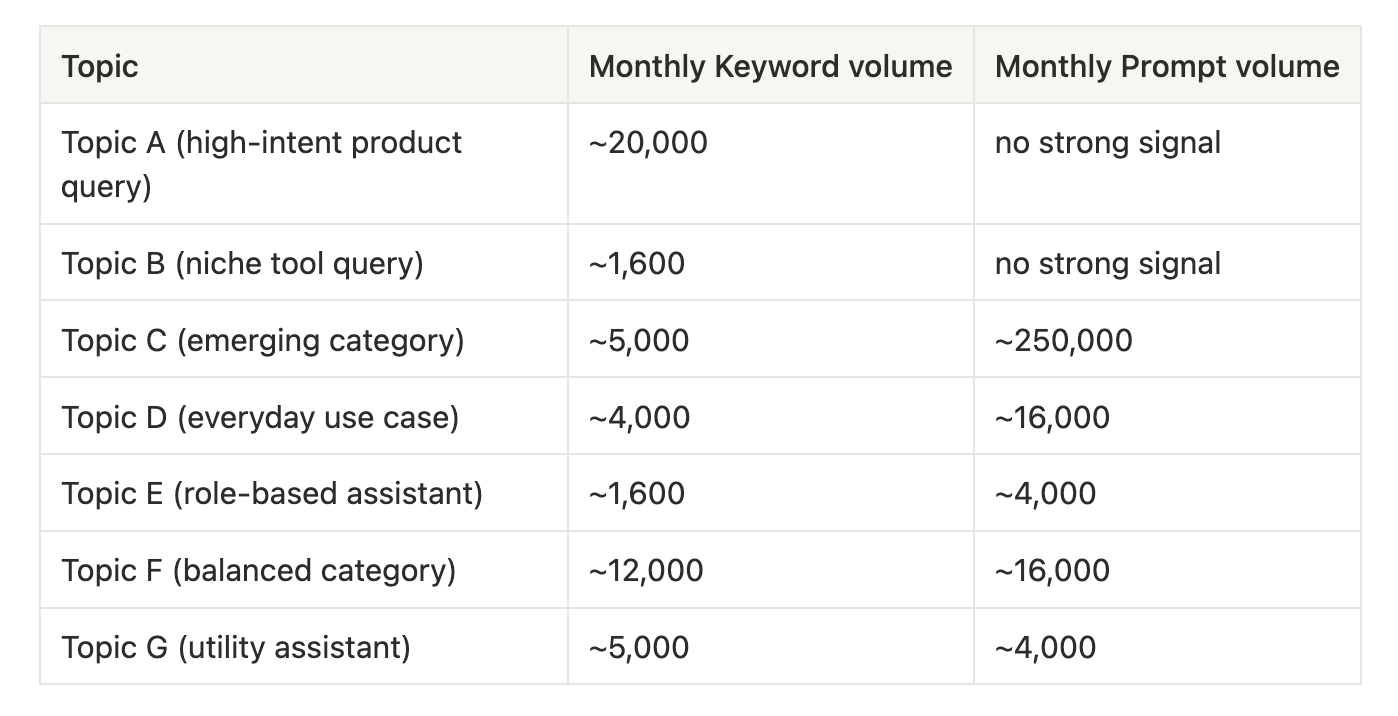
A game-changing approach to SEO strategy combines keyword research with prompt research to uncover demand signals that traditional keyword research may miss.
A new study from Writesonic reveals that roughly 40% of AI search citations fail to mention the source brand in their generated text. This phenomenon—dubbed 'ghost citations'—varies significantly across platforms, affecting engines like Perplexity, Google AI Mode, and ChatGPT. Consequently, tracking citation counts alone no longer provides business owners with an accurate picture of actual brand visibility.

Explore how AI systems interpret your business and learn effective strategies to enhance your online visibility. This article provides actionable insights on auditing your AI entity footprint and optimizing your presence for AI-driven search engines.

A recent study by João da Silva and a VisibilityAI researcher reveals that framing your brand's category correctly can significantly impact its visibility on AI-powered search engines like ChatGPT and Google AI Overviews. The study tested 12 athletic apparel brands in the U.K. under two different category framings: athleisure and athletic footwear. By optimizing category framing, businesses can increase their chances of being recommended by AI search engines.


Google's recent update to its AI Overview feature for local search results now frequently cites low-quality listicles, posing a challenge for local businesses seeking accurate online representation.

OpenAI is currently testing a feature that adds descriptive headings to ads within ChatGPT responses. This initiative aims to enhance user experience and improve ad effectiveness, which could influence how businesses are discovered online.

Recent findings indicate that AI detection tools often misinterpret human-written content, raising concerns about their reliability and contributing to the phenomenon known as Fear of Writing (FOW). This article delves into the implications for businesses and marketers navigating the complexities of AI-generated content.

Google has revised its lawsuit against SerpAPI, placing a stronger emphasis on the protection of licensed content. This development is crucial for businesses aiming to enhance their visibility in AI-driven search results.

YouTube has announced changes to its Partner Program, including new payout rules for Shorts and activity checks, set to take effect in 2027. The updates aim to create a more structured approach to earnings for content creators and will impact businesses that rely on YouTube for video marketing. Understanding these changes is crucial for businesses to adapt their content strategies and stay competitive.

Google has amended its DMCA complaint against SerpApi, adding licensing terms after a court dismissed the original claims over search scraping. This development highlights the ongoing battle between tech giants and data scraping companies, with significant implications for businesses relying on SEO and data scraping. The amended complaint provides a potential path forward for resolving the dispute.

Many businesses face declining organic traffic, but effective strategies can maintain client confidence by focusing on AI visibility metrics.

Anthropic, a prominent AI research organization, is taking a significant step to comply with the European Union's AI Act by embedding invisible watermarks in text and files produced by its AI model, Claude. This initiative aims to ensure that AI-generated content is properly attributed, which holds vital implications for businesses navigating AI search visibility.

In the age of AI, understanding decision drivers is crucial for SEOs to enhance local business visibility. This article explores essential metrics that can help businesses adapt to the changing landscape. By focusing on decision drivers, companies can improve their visibility and engagement with potential customers.

Automattic, the parent company of WordPress.com, is engaged in a high-stakes battle with WP Engine over control of the WordPress ecosystem. WP Engine's motion for sanctions seeks to limit Automattic's access to confidential information, which Automattic claims is an attempt to silence its CEO, Matt Mullenweg. This dispute has significant implications for businesses that rely on WordPress.

Google's Smart Bidding system is undergoing a significant change, ending Target Overperformance on August 17. This update will impact all Target CPA and Target ROAS campaigns, requiring business owners to audit and update their campaigns before the deadline. Failure to do so may result in disrupted ad performance and budget allocation.

Cloudflare has introduced AI wallets and optional identity handles, extending paid access to any caller and resource, and paving the way for more efficient and secure online interactions. This innovation enables AI agents to access online resources while paying for their usage and authenticating with a unique digital identity. By leveraging these solutions, businesses can increase their online visibility and improve their search engine rankings.

Allegations that the popular WPForms Lite plugin added a backdoor to WordPress sites triggered widespread panic among business owners. Independent testing debunked the claims, but the situation offers crucial lessons on software security and modern AI search visibility.

Meta is aggressively crawling the web, signaling the development of its own AI-powered search engine for Facebook, Instagram, and WhatsApp. As social and search converge, local businesses must optimize their online presence for Meta's crawlers to capture conversational AI traffic. Learn how this shift impacts Generative Engine Optimization (GEO) and your local discovery strategy.

Google is testing interactive AI prompt buttons like 'Create images,' 'Ask about files,' and 'Brainstorm' directly on its homepage. This update signals a massive shift toward conversational AI interactions, changing how local businesses must position themselves to get discovered.

Microsoft Clarity has updated its analytics platform to separate AI citations into branded and non-branded queries. This critical distinction enables business owners to measure true AI discovery and evaluate their Generative Engine Optimization (GEO) efforts.

Common Crawl, the web dataset used to train major AI models like ChatGPT and Gemini, recently released guidelines on web visibility. Search expert Suganthan Mohanadasan has now automated these checks into a free tool, allowing business owners to verify if AI crawlers can index their sites.

Negative online reviews and unfavorable articles don't just sit on search result pages anymore—AI engines are actively pulling them into direct answers. Protecting your business requires proactive online reputation management and strategic content suppression before generative AI cites bad press.

Many business owners fear that AI search engines like ChatGPT, Perplexity, and Google AI Overviews have rewritten the rules of digital marketing. However, search experts point out that AI search only feels completely new if your previous SEO strategy relied on shallow tactics like keyword stuffing and thin content.

Consumer search habits are rapidly shifting toward conversational tools like ChatGPT, Perplexity, and Google AI Overviews, yet traditional analytics platforms fail to track this new customer journey. This disconnect leaves brands facing a growing attribution gap as AI heavily influences purchases offline and behind the scenes. To maintain visibility, small and local businesses must shift focus from old-school click tracking toward Generative Engine Optimization (GEO) and citation building.
Get the top AI-search and GEO stories in your inbox once a day, no spam.