Modern searchers rarely follow a straight path to conversion, making cross-channel visibility essential. A 26-week case study published in Search Engine Land demonstrates how aligning SEO and PPC efforts eliminates friction points and builds brand authority across every buyer touchpoint.

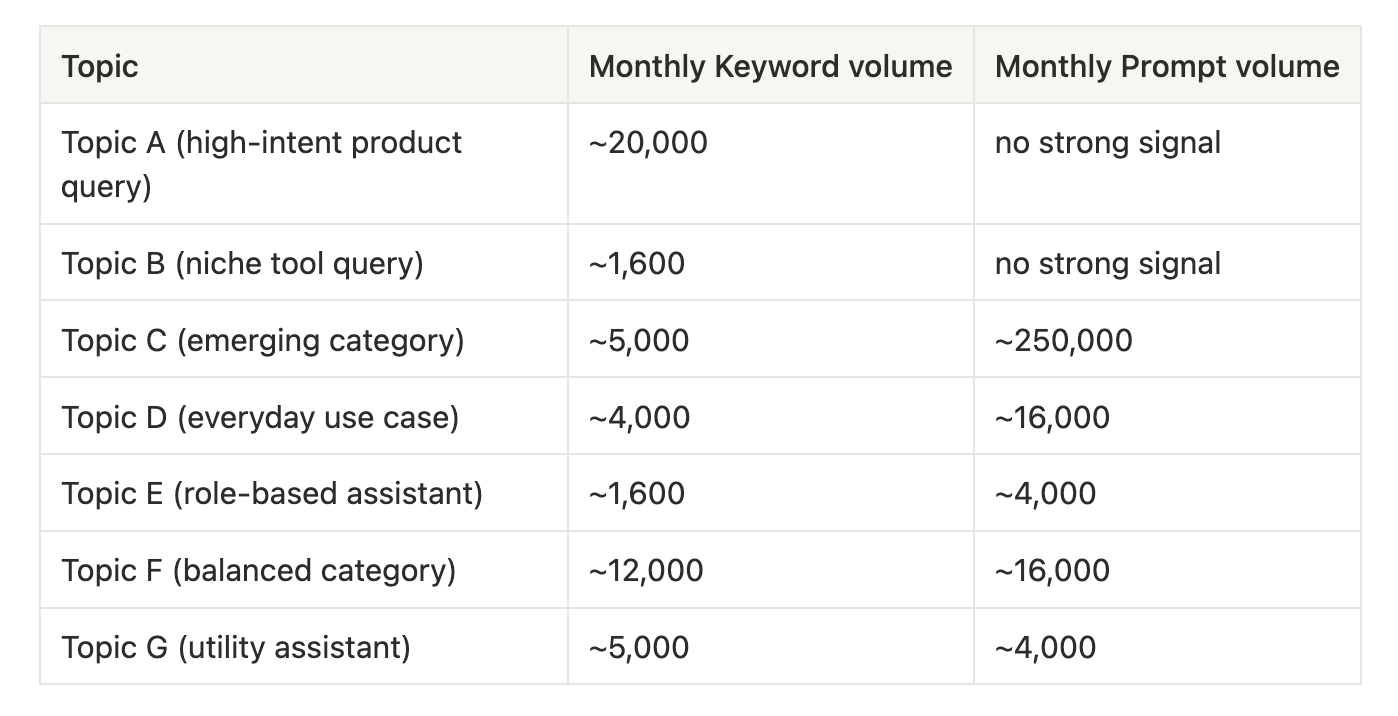
A game-changing approach to SEO strategy combines keyword research with prompt research to uncover demand signals that traditional keyword research may miss.
A new study from Writesonic reveals that roughly 40% of AI search citations fail to mention the source brand in their generated text. This phenomenon—dubbed 'ghost citations'—varies significantly across platforms, affecting engines like Perplexity, Google AI Mode, and ChatGPT. Consequently, tracking citation counts alone no longer provides business owners with an accurate picture of actual brand visibility.

Explore how AI systems interpret your business and learn effective strategies to enhance your online visibility. This article provides actionable insights on auditing your AI entity footprint and optimizing your presence for AI-driven search engines.

A recent study by João da Silva and a VisibilityAI researcher reveals that framing your brand's category correctly can significantly impact its visibility on AI-powered search engines like ChatGPT and Google AI Overviews. The study tested 12 athletic apparel brands in the U.K. under two different category framings: athleisure and athletic footwear. By optimizing category framing, businesses can increase their chances of being recommended by AI search engines.

This guide offers essential strategies for businesses to enhance visibility in AI-driven search results, drawing insights from industry experts at the SocialWest 2026 conference.
Discover the secrets to ranking high in AI search platforms like ChatGPT, Gemini, and Google AI Overviews with our expert guide. Learn how to optimize your content for AI search and increase your online visibility, drive more traffic to your website, and boost sales.
A groundbreaking study analyzing 38,000 AI queries across ChatGPT, Perplexity, Gemini, and Claude reveals that top Google rankings no longer guarantee recommendations in AI search engines. This shift in digital discovery means businesses relying solely on traditional SEO risk becoming invisible to consumers using generative AI tools.
A new study from Writesonic reveals that roughly 40% of AI search citations fail to mention the source brand in their generated text. This phenomenon—dubbed 'ghost citations'—varies significantly across platforms, affecting engines like Perplexity, Google AI Mode, and ChatGPT. Consequently, tracking citation counts alone no longer provides business owners with an accurate picture of actual brand visibility.

Discover how SEO can optimize your acquisition system, reduce blended customer acquisition costs, and drive business efficiency. Learn the importance of measuring customer acquisition costs (CAC), the challenges of attribution, and how SEO can influence other channels. With the rise of AI-powered search engines, understanding CAC is crucial for businesses to stay ahead of the competition.
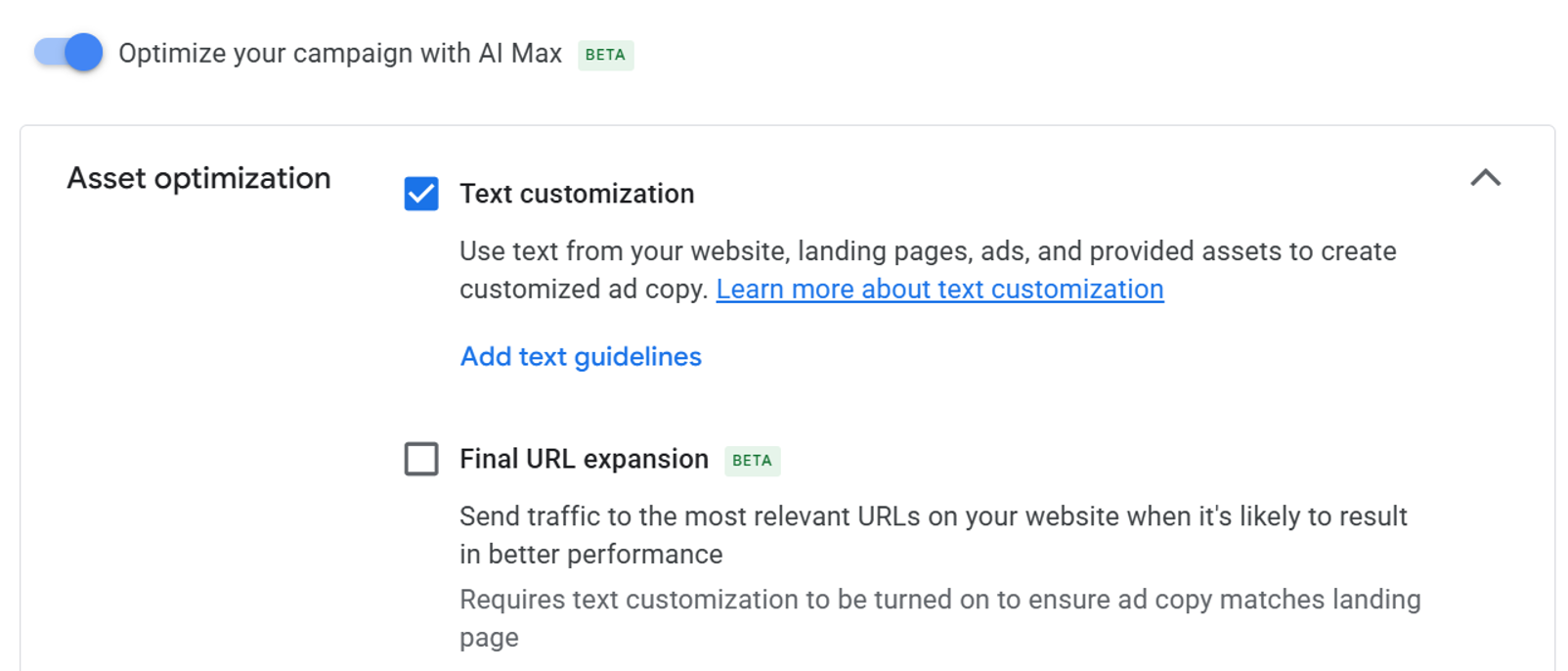
Google Ads AI Max can generate customized ad copy across individual ad groups, reducing the manual workload on your PPC team. However, testing shows that auto-generated copy requires strict guardrails to prevent off-brand messaging or false promotional claims. Here is how to apply messaging restrictions so you can scale ad performance while protecting your brand.
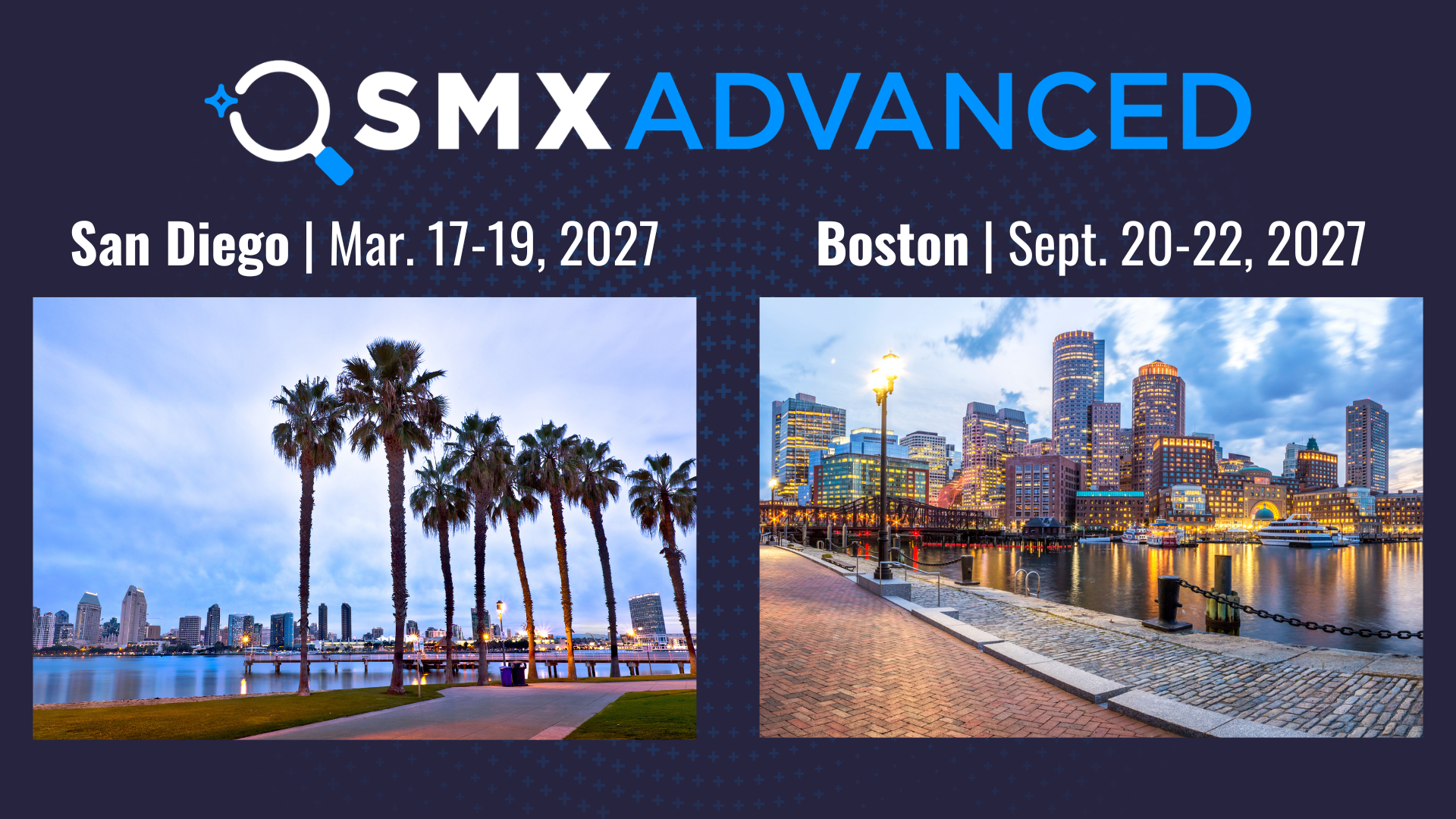
For the first time in its 20-year history, SMX Advanced is expanding to a two-event schedule in 2027. The premier search marketing conference will host a West Coast edition in San Diego this March and an East Coast gathering in Boston come September, giving senior search practitioners easier access to advanced tactics and networking.
Discover how robotics and automation businesses can enhance their visibility in AI search platforms like ChatGPT, Gemini, and Perplexity by leveraging Generative Engine Optimization (GEO) strategies and trusted tools.
As technical procurement teams and B2B buyers increasingly rely on AI engines like ChatGPT, Gemini, and Perplexity for vendor discovery, specialized industries are being forced to adapt. A recent analysis by Robotics & Automation News underscores how automation brands are leveraging Generative Engine Optimization (GEO) to win citations in synthesized AI answers. Here is what business leaders across all sectors need to know to stay visible as conversational search takes over.
Discover the latest insights from 600,000 AI sessions to drive AI traffic and improve search engine rankings.
A recent study by Ahrefs reveals that while heavily AI-flagged pages can reach Google's top 10 search results, human-driven content overwhelmingly dominates the top three positions. In fact, over 54% of these top-tier pages carry less than 20% AI-generated text. For local business owners relying on unedited, automated copy, this trend poses a direct threat to search visibility and AI answer engine citations.
Google has begun nesting its Top Stories carousel inside AI Overviews instead of displaying it as a standalone module lower on search results pages. Consequently, businesses that use Google's Search Console controls to opt out of AI Overviews risk forfeiting access to prime, top-of-page search real estate.
Google AI Overviews now show up in 43% of search queries, cementing generative AI summaries as the standard Google search experience. Although legacy publishers are seeing organic search traffic plummet, search AI is linking directly to primary web sources at five times the rate seen last year. For local business owners, earning a spot inside these AI-generated answers has quickly become the primary pathway to customer discovery.

AI tools such as ChatGPT, Gemini, and Google AI Overviews increasingly rely on creator content and third-party media to answer subjective search queries. With research showing that 82% of AI citations point to external sources rather than brand websites, managing influencer partnerships and customer review channels has become essential for modern search visibility.
The shift from traditional search engines to AI-powered 'Answer Engines' like ChatGPT, Perplexity, and Gemini is redefining online visibility. To stay discoverable, local and small businesses must transition from keyword matching to becoming trusted structured data sources that generative AI models cite directly.
OpenAI's sudden shutdown of its Sora app and YouTube's sweeping purge of mass-produced AI channels signal a major turning point in video marketing. For small business owners, publishing raw, unvetted AI videos now poses a direct threat to brand credibility and AI search visibility.
This article explores how publishers can effectively monetize their content by enhancing AI visibility. It addresses the current challenges in the publishing landscape and outlines future opportunities for growth.
A significant technical oversight recently revealed thousands of private Claude AI chats and documents in Google Search results. This incident underscores a vital principle of technical SEO: a robots.txt Disallow rule can prevent search engines from reading your Noindex tags, leading to unintended public exposure.

Understanding the historical context of your Google Business Profile address is vital for maintaining your local rankings. Changes to your address can have significant effects on visibility, particularly for service-based businesses where address accuracy is a key component of strategy.
According to new research from Similarweb, ChatGPT includes web citations in an average of just 6.8% of U.S. desktop answers, though link frequencies vary dramatically by industry. Travel and retail lead all categories with citation rates of 22.6% and 13.5%, respectively. Understanding these vertical attribution benchmarks is vital for local business owners building a competitive AI search visibility strategy.
Get the top AI-search and GEO stories in your inbox once a day, no spam.