
A federal judge's ruling allows Reddit's DMCA lawsuit against web scraper SerpApi to proceed, exposing the complex battle behind AI search engine data gathering and its implications for online business discovery.
Google has officially introduced social platform properties to help brands track their entity reach across TikTok, YouTube, X, and Instagram, even as site owners handle ongoing search ranking volatility and page indexing delays. At the same time, new developments in ChatGPT Ads and strict Google review guidelines point to an evolving landscape for local search visibility and AI-driven business discovery.
Google's new Search Console setting gives site owners the option to exclude content from AI Overviews, AI Mode, and Discover's AI features without sacrificing standard organic search rankings. Toggling this off isn't a clear-cut win, though. Recent tracking reveals that opting out could inadvertently strip your business from high-visibility search carousels embedded inside AI modules.

Balancing AI-driven efficiency with human expertise is key to SEO success, as Google increasingly rewards original thinking and distinctive perspectives. AI can streamline tasks, but relying on it alone can lead to poor-quality content and decreased visibility. By using AI to support strategy and keeping human expertise at the center, businesses can create high-quality content that meets Google's expectations and improves their online presence.
New data from Similarweb reveals that AI search tools like ChatGPT and Perplexity are not replacing traditional search engines—they are layering on top of them. To capture modern consumers, local business owners must execute a dual strategy combining traditional Google SEO with Generative Engine Optimization (GEO).
As buyers trade traditional Google searches for conversational tools like ChatGPT and Perplexity, businesses face a new optimization challenge. Search experts at Bodhium Labs warn that mass-producing low-quality AI content will only damage existing search rankings, offering practical strategies to earn AI citations while protecting hard-won Google SEO authority.
A deep dive into Perplexity AI's backend stream reveals how the engine retrieves, filters, and selects web sources before writing answers. Discover what this means for your business's AI search visibility.

Stay ahead of the AI search curve: Discover the latest developments in AI search and how they impact your business's visibility online.
This guide offers essential strategies for businesses to enhance visibility in AI-driven search results, drawing insights from industry experts at the SocialWest 2026 conference.
Discover the secrets to ranking high in AI search platforms like ChatGPT, Gemini, and Google AI Overviews with our expert guide. Learn how to optimize your content for AI search and increase your online visibility, drive more traffic to your website, and boost sales.
A groundbreaking study analyzing 38,000 AI queries across ChatGPT, Perplexity, Gemini, and Claude reveals that top Google rankings no longer guarantee recommendations in AI search engines. This shift in digital discovery means businesses relying solely on traditional SEO risk becoming invisible to consumers using generative AI tools.

A new study from Writesonic reveals that roughly 40% of AI search citations fail to mention the source brand in their generated text. This phenomenon—dubbed 'ghost citations'—varies significantly across platforms, affecting engines like Perplexity, Google AI Mode, and ChatGPT. Consequently, tracking citation counts alone no longer provides business owners with an accurate picture of actual brand visibility.
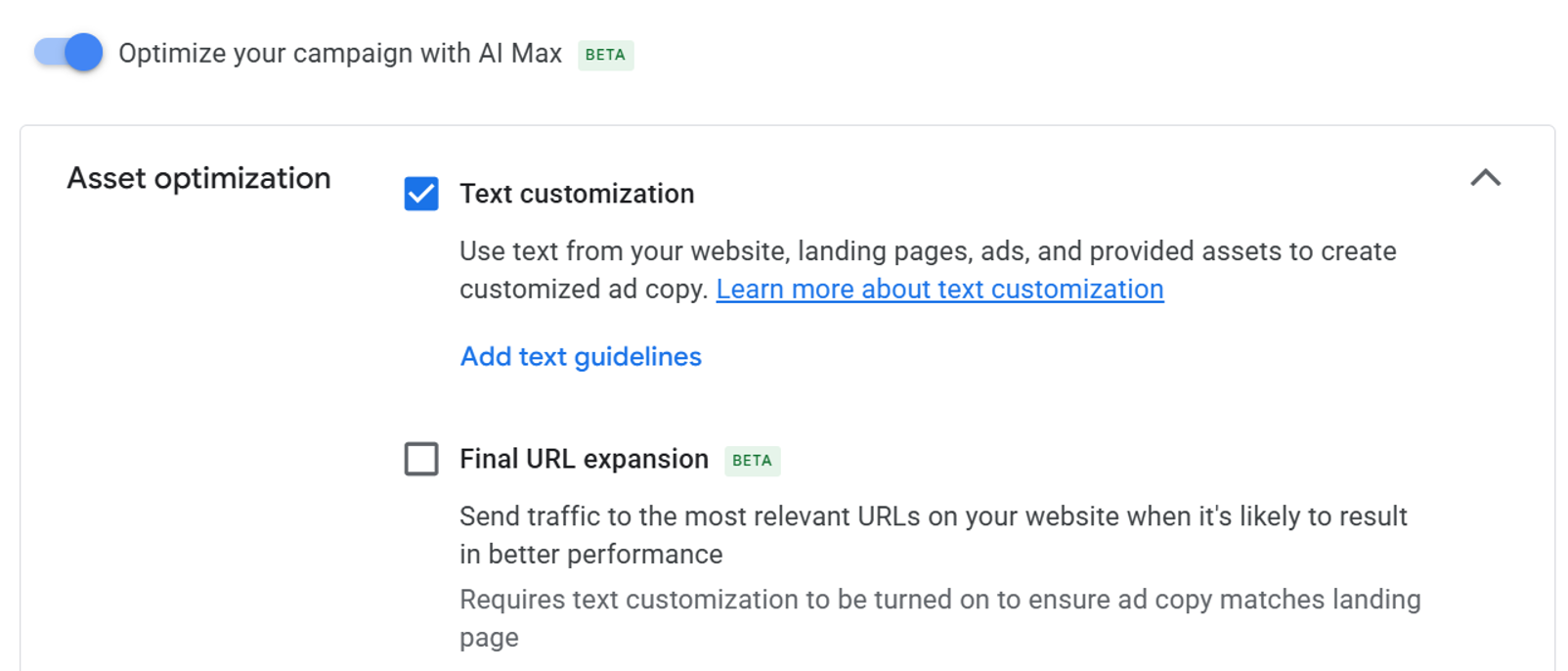
Google Ads AI Max can generate customized ad copy across individual ad groups, reducing the manual workload on your PPC team. However, testing shows that auto-generated copy requires strict guardrails to prevent off-brand messaging or false promotional claims. Here is how to apply messaging restrictions so you can scale ad performance while protecting your brand.
Discover how robotics and automation businesses can enhance their visibility in AI search platforms like ChatGPT, Gemini, and Perplexity by leveraging Generative Engine Optimization (GEO) strategies and trusted tools.
As technical procurement teams and B2B buyers increasingly rely on AI engines like ChatGPT, Gemini, and Perplexity for vendor discovery, specialized industries are being forced to adapt. A recent analysis by Robotics & Automation News underscores how automation brands are leveraging Generative Engine Optimization (GEO) to win citations in synthesized AI answers. Here is what business leaders across all sectors need to know to stay visible as conversational search takes over.
A recent study by Ahrefs reveals that while heavily AI-flagged pages can reach Google's top 10 search results, human-driven content overwhelmingly dominates the top three positions. In fact, over 54% of these top-tier pages carry less than 20% AI-generated text. For local business owners relying on unedited, automated copy, this trend poses a direct threat to search visibility and AI answer engine citations.

AI tools such as ChatGPT, Gemini, and Google AI Overviews increasingly rely on creator content and third-party media to answer subjective search queries. With research showing that 82% of AI citations point to external sources rather than brand websites, managing influencer partnerships and customer review channels has become essential for modern search visibility.
The shift from traditional search engines to AI-powered 'Answer Engines' like ChatGPT, Perplexity, and Gemini is redefining online visibility. To stay discoverable, local and small businesses must transition from keyword matching to becoming trusted structured data sources that generative AI models cite directly.
OpenAI's sudden shutdown of its Sora app and YouTube's sweeping purge of mass-produced AI channels signal a major turning point in video marketing. For small business owners, publishing raw, unvetted AI videos now poses a direct threat to brand credibility and AI search visibility.
This article explores how publishers can effectively monetize their content by enhancing AI visibility. It addresses the current challenges in the publishing landscape and outlines future opportunities for growth.
Get the top AI-search and GEO stories in your inbox once a day, no spam.