

Consumer search habits are rapidly shifting toward conversational tools like ChatGPT, Perplexity, and Google AI Overviews, yet traditional analytics platforms fail to track this new customer journey. This disconnect leaves brands facing a growing attribution gap as AI heavily influences purchases offline and behind the scenes. To maintain visibility, small and local businesses must shift focus from old-school click tracking toward Generative Engine Optimization (GEO) and citation building.
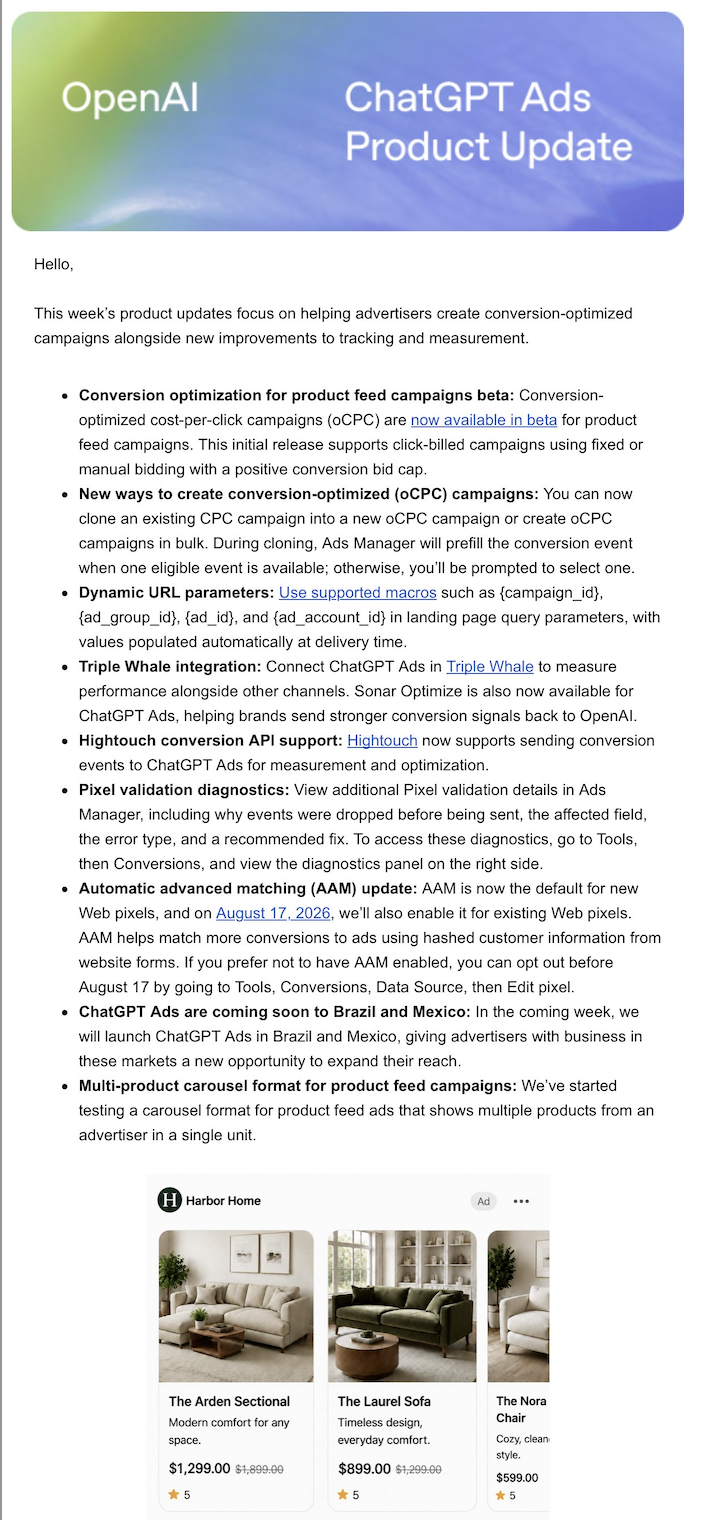
OpenAI expands ChatGPT Ads' conversion capabilities with new campaign types, measurement integrations, and optimization tools, benefiting ecommerce advertisers with improved conversion tracking, automated campaign creation, and scaled advertising.

A recent experiment revealed that AI models like ChatGPT, Claude, and Gemini provide different strategic recommendations based on the context provided. This highlights the importance of understanding the nuances of AI decision-making for businesses. By considering the context and objectives of a business, AI models can offer more tailored and effective guidance.

Google Search results are undergoing intense ranking volatility around August 5th and 6th, signaling a major unconfirmed algorithm update. Business owners are seeing sharp rank swings that impact both traditional Google rankings and AI Overview citations. Here is what small businesses need to know to protect their digital footprint.

Modern searchers rarely follow a straight path to conversion, making cross-channel visibility essential. A 26-week case study published in Search Engine Land demonstrates how aligning SEO and PPC efforts eliminates friction points and builds brand authority across every buyer touchpoint.
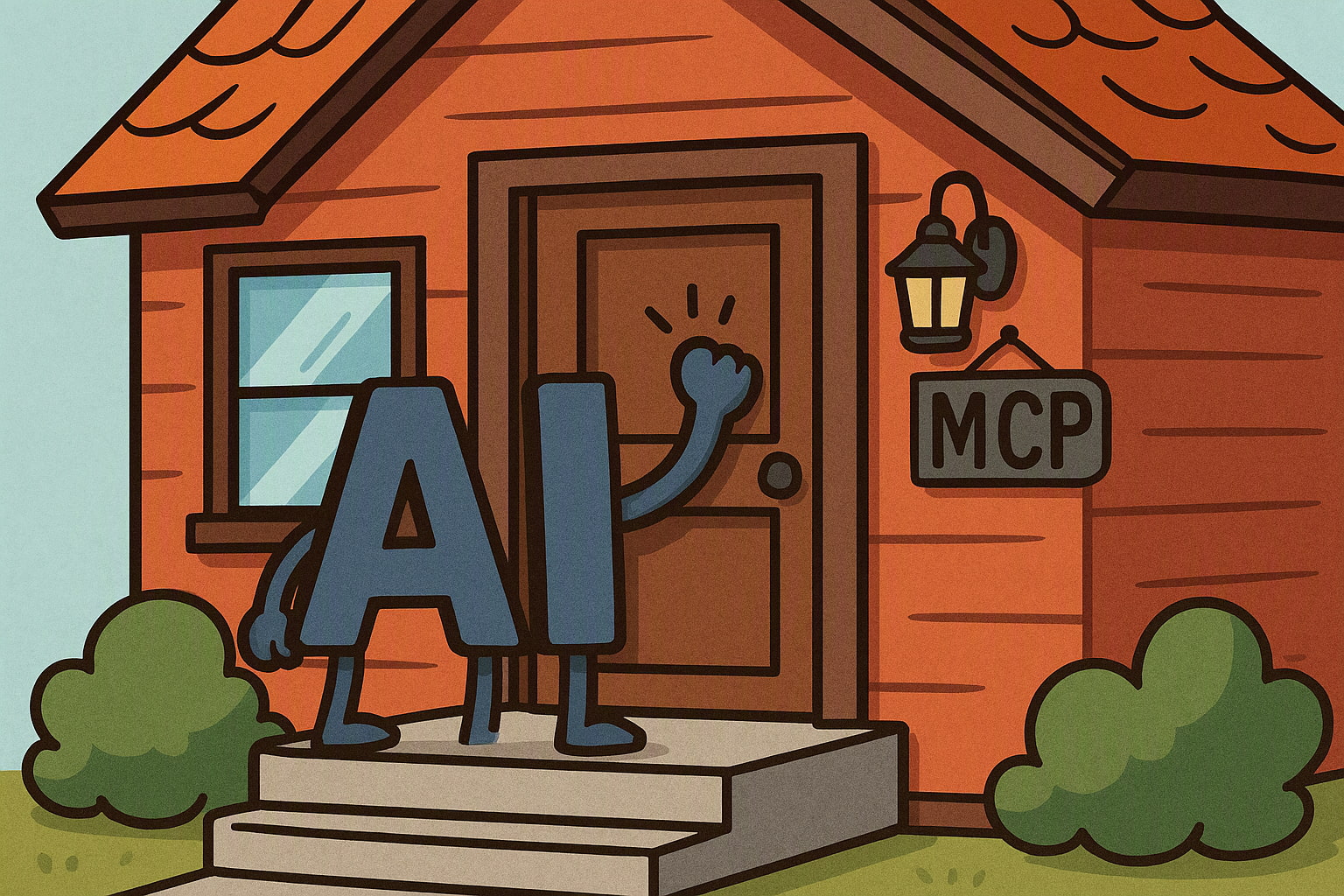
As AI tools like ChatGPT and Claude integrate into marketing systems, concerns are growing that traditional CRMs may become obsolete. However, these AI assistants function as reasoning engines that depend on structured business data to deliver accurate recommendations, emphasizing the continued importance of a solid CRM foundation for local businesses to enhance their visibility in AI search results.

Google's latest update to its AI overviews has profound implications for publishers and brands aiming to enhance their visibility in AI search results. With top stories now featured prominently, businesses must adapt their content strategies to capitalize on this opportunity for greater discovery and citation.

As AI Overviews continue to evolve, local businesses must adapt their content strategies to remain visible in search results and AI responses. Google's integration of Top Stories into AI Overviews has significant implications for publishers and brands, requiring them to prioritize SEO and adapt to AI's content preferences. By understanding these changes, businesses can refine their marketing tactics and increase their chances of being featured in AI-generated results.

Google's limited test of a sign-in feature could significantly impact local businesses' online visibility, as users may be discouraged from accessing more search results, leading to a decrease in traffic to websites that rely on organic search.

Google is beta testing a new Handle Swapping feature for Google Search Profiles, enabling businesses to synchronize their primary Google handle with linked, verified social accounts. This update enhances brand flexibility and strengthens entity authority in an era dominated by AI-driven search tools.

Google's refreshed crawl budget optimization guide enhances SEO strategies for business owners by emphasizing clarity and precision in its documentation, providing actionable insights to improve content visibility.
B2B search intelligence agency Howl Louder Marketing has launched a specialized Generative Engine Optimization (GEO) service designed to help companies secure direct citations across ChatGPT, Gemini, and Perplexity. By combining GEO with traditional SEO and outbound lead generation, the firm aims to capture enterprise buyers who now use AI tools for vendor research.

SEO veteran Bill Hartzer has released a free, 50-lesson link building masterclass detailing how modern link graphs and Digital PR work. For business owners and marketers, mastering these foundational strategies is essential to building the digital authority required for citations in AI engines like ChatGPT and Perplexity.

In a revealing Search Engine Journal interview, search veteran Kris Jones highlights 'synthesis' as the key driver behind AI brand recommendations. Jones explains how tools like ChatGPT, Perplexity, and Google AI Overviews decide who gets recommended and how small businesses can capture those high-converting AI citations.

Snapchat is no longer recommending fully AI-generated videos in its Spotlight feed, prioritizing genuine human storytelling and original creator content instead. Driven by regulatory obligations like the EU AI Transparency Law and mounting Gen Z anxiety around synthetic media, the move signals a platform-wide turn toward authenticity. For businesses dependent on automated AI video tools, adapting visual strategies is now essential to safeguarding both social reach and AI search visibility.

A maximum-severity 9.8 security vulnerability in the WooCommerce Social Login WordPress plugin allows unauthenticated attackers to gain full administrator access to e-commerce stores. Exploiting a flaw in the Apple login authentication process, hackers can bypass passwords using just an email address. Immediate updates are required to protect store data, customer trust, and AI search engine visibility.

Standard analytics tools like Google Search Console fail to capture when Google Gemini recommends your business to prospective buyers. To stay competitive, business owners must learn how to directly track brand mentions, gauge share of voice, and optimize their presence across the emerging AI search landscape.
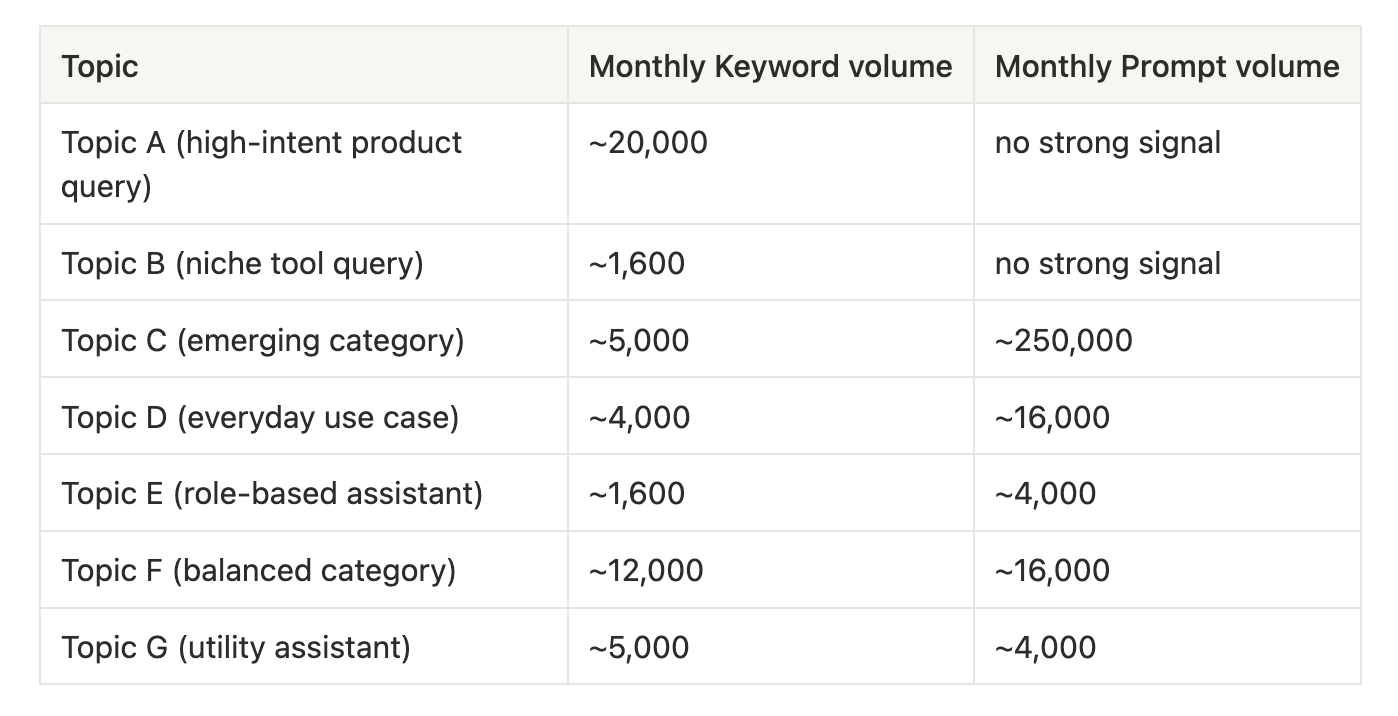
A game-changing approach to SEO strategy combines keyword research with prompt research to uncover demand signals that traditional keyword research may miss.

Cloudflare's PACT (Private Access Control Tokens) is a new protocol designed to separate human users from automated agents, replacing traditional CAPTCHAs and improving online security. Although PACT is not yet live, local business owners must prepare their websites for the evolving landscape of AI traffic and agentic search. By understanding this transition, businesses can ensure their sites stay secure and visible to AI search engines.

Recent research reveals that ChatGPT and other leading AI platforms populate product recommendation carousels directly from Google Merchant Center feeds rather than scraping traditional web pages. With up to 83% of AI product recommendations mirroring top Google Shopping organic results, feed optimization has quickly become the primary battlefield for AI visibility. For e-commerce brands and local retailers, feed quality now determines whether your products get recommended—or overlooked.
Get the top AI-search and GEO stories in your inbox once a day, no spam.