

Google Search Console's generative AI performance report is now live for all users, offering insights into AI-driven search traffic and visibility to refine SEO strategies and improve online presence. This expansion aims to help businesses optimize their digital marketing efforts and stay ahead of the competition. By leveraging AI-powered search trends, businesses can gain valuable insights and adapt their strategies to drive more qualified leads and conversions.

OpenAI is currently testing a feature that adds descriptive headings to ads within ChatGPT responses. This initiative aims to enhance user experience and improve ad effectiveness, which could influence how businesses are discovered online.

Recent findings indicate that AI detection tools often misinterpret human-written content, raising concerns about their reliability and contributing to the phenomenon known as Fear of Writing (FOW). This article delves into the implications for businesses and marketers navigating the complexities of AI-generated content.

YouTube has announced changes to its Partner Program, including new payout rules for Shorts and activity checks, set to take effect in 2027. The updates aim to create a more structured approach to earnings for content creators and will impact businesses that rely on YouTube for video marketing. Understanding these changes is crucial for businesses to adapt their content strategies and stay competitive.

Many businesses face declining organic traffic, but effective strategies can maintain client confidence by focusing on AI visibility metrics.

In the age of AI, understanding decision drivers is crucial for SEOs to enhance local business visibility. This article explores essential metrics that can help businesses adapt to the changing landscape. By focusing on decision drivers, companies can improve their visibility and engagement with potential customers.

Google's Gary Illyes recently clarified that hreflang alternate URLs are not indexed as standalone documents in the traditional sense. Instead, Google groups regional variants into clusters tied to a primary page, dynamically swapping URLs based on a searcher's location and language. This technical distinction carries major strategic implications for multi-regional businesses aiming to maintain visibility across both traditional search and AI answer engines.

The release of the 2026 top Generative Engine Optimization (GEO) agency shortlist highlights a critical shift in digital marketing: moving beyond simple SEO clicks toward direct pipeline attribution from AI search. Both B2B SaaS companies and local businesses are now investing heavily in strategies that earn explicit brand citations within platforms like ChatGPT, Perplexity, and Google AI Overviews.

Many business owners fear that AI search engines like ChatGPT, Perplexity, and Google AI Overviews have rewritten the rules of digital marketing. However, search experts point out that AI search only feels completely new if your previous SEO strategy relied on shallow tactics like keyword stuffing and thin content.

Consumer search habits are rapidly shifting toward conversational tools like ChatGPT, Perplexity, and Google AI Overviews, yet traditional analytics platforms fail to track this new customer journey. This disconnect leaves brands facing a growing attribution gap as AI heavily influences purchases offline and behind the scenes. To maintain visibility, small and local businesses must shift focus from old-school click tracking toward Generative Engine Optimization (GEO) and citation building.

A recent experiment revealed that AI models like ChatGPT, Claude, and Gemini provide different strategic recommendations based on the context provided. This highlights the importance of understanding the nuances of AI decision-making for businesses. By considering the context and objectives of a business, AI models can offer more tailored and effective guidance.
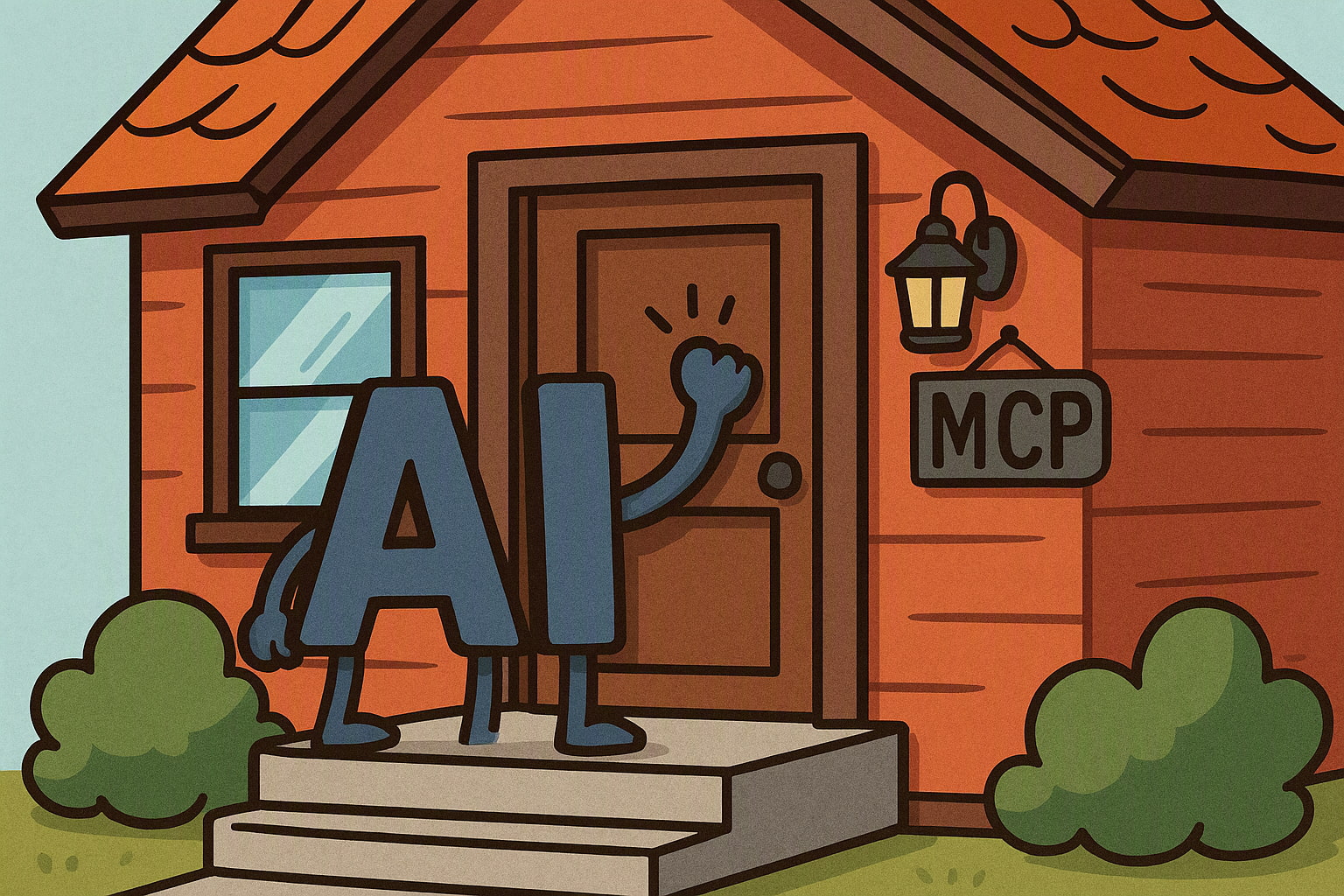
As AI tools like ChatGPT and Claude integrate into marketing systems, concerns are growing that traditional CRMs may become obsolete. However, these AI assistants function as reasoning engines that depend on structured business data to deliver accurate recommendations, emphasizing the continued importance of a solid CRM foundation for local businesses to enhance their visibility in AI search results.

Google's limited test of a sign-in feature could significantly impact local businesses' online visibility, as users may be discouraged from accessing more search results, leading to a decrease in traffic to websites that rely on organic search.

The EU's Article 50 AI Transparency Law introduces essential labeling requirements for AI-generated content. However, specific exemptions may provide strategic advantages for businesses navigating these new regulations.

Snapchat is no longer recommending fully AI-generated videos in its Spotlight feed, prioritizing genuine human storytelling and original creator content instead. Driven by regulatory obligations like the EU AI Transparency Law and mounting Gen Z anxiety around synthetic media, the move signals a platform-wide turn toward authenticity. For businesses dependent on automated AI video tools, adapting visual strategies is now essential to safeguarding both social reach and AI search visibility.

Google has expanded the availability of Search Console social reporting globally, enabling businesses to track the performance of their social media posts in search results. Additionally, recent data indicates that while AI-generated content can still rank in Google's top 10, those with higher AI detection scores tend to occupy lower search positions.

OpenAI is experimenting with a new ChatGPT advertising format that replaces traditional destination websites with conversational AI agents tailored to each business, potentially revolutionizing the way businesses interact with customers online.
Recent analysis of over 600,000 ChatGPT citations has revealed that 89% of AI search categories lack a dominant brand leader. This insight underscores a fleeting opportunity for small and local businesses to establish topical authority in AI search, positioning themselves advantageously before competitors catch on.
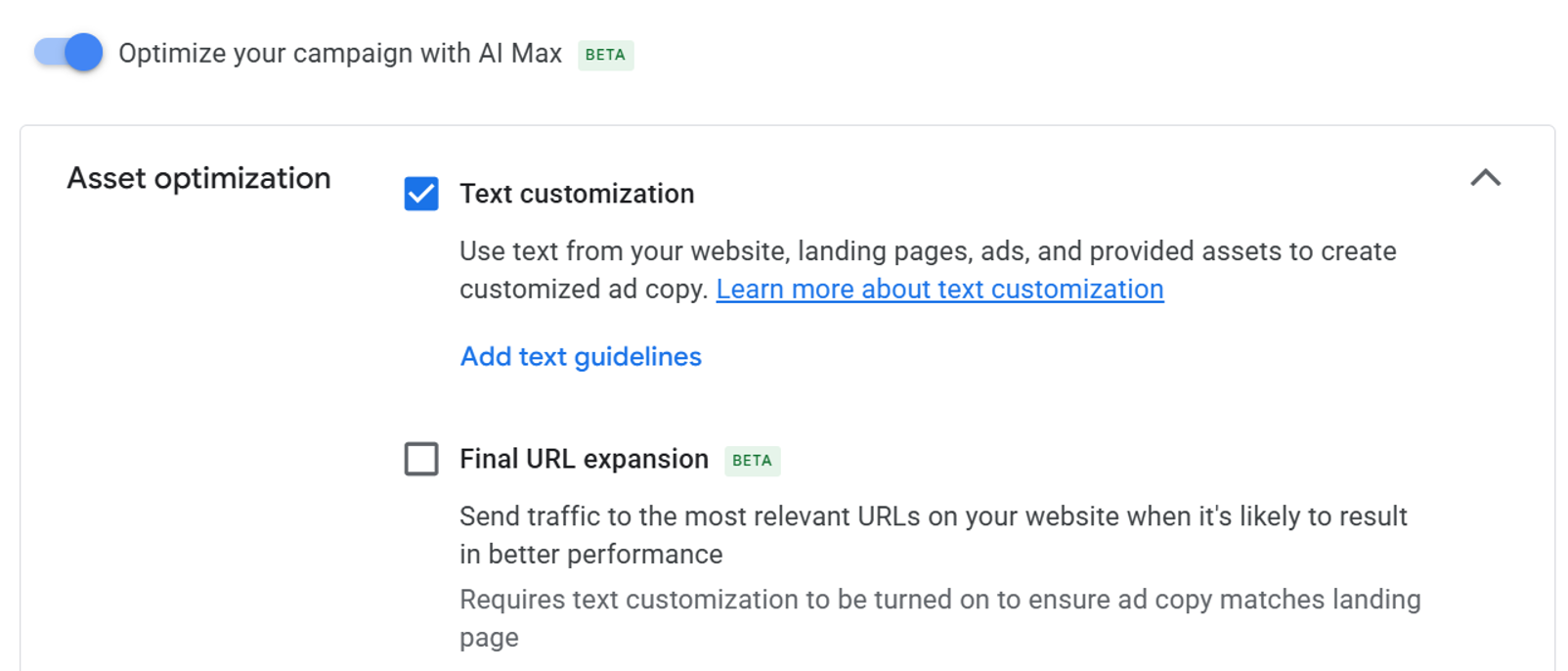
Google Ads AI Max can generate customized ad copy across individual ad groups, reducing the manual workload on your PPC team. However, testing shows that auto-generated copy requires strict guardrails to prevent off-brand messaging or false promotional claims. Here is how to apply messaging restrictions so you can scale ad performance while protecting your brand.
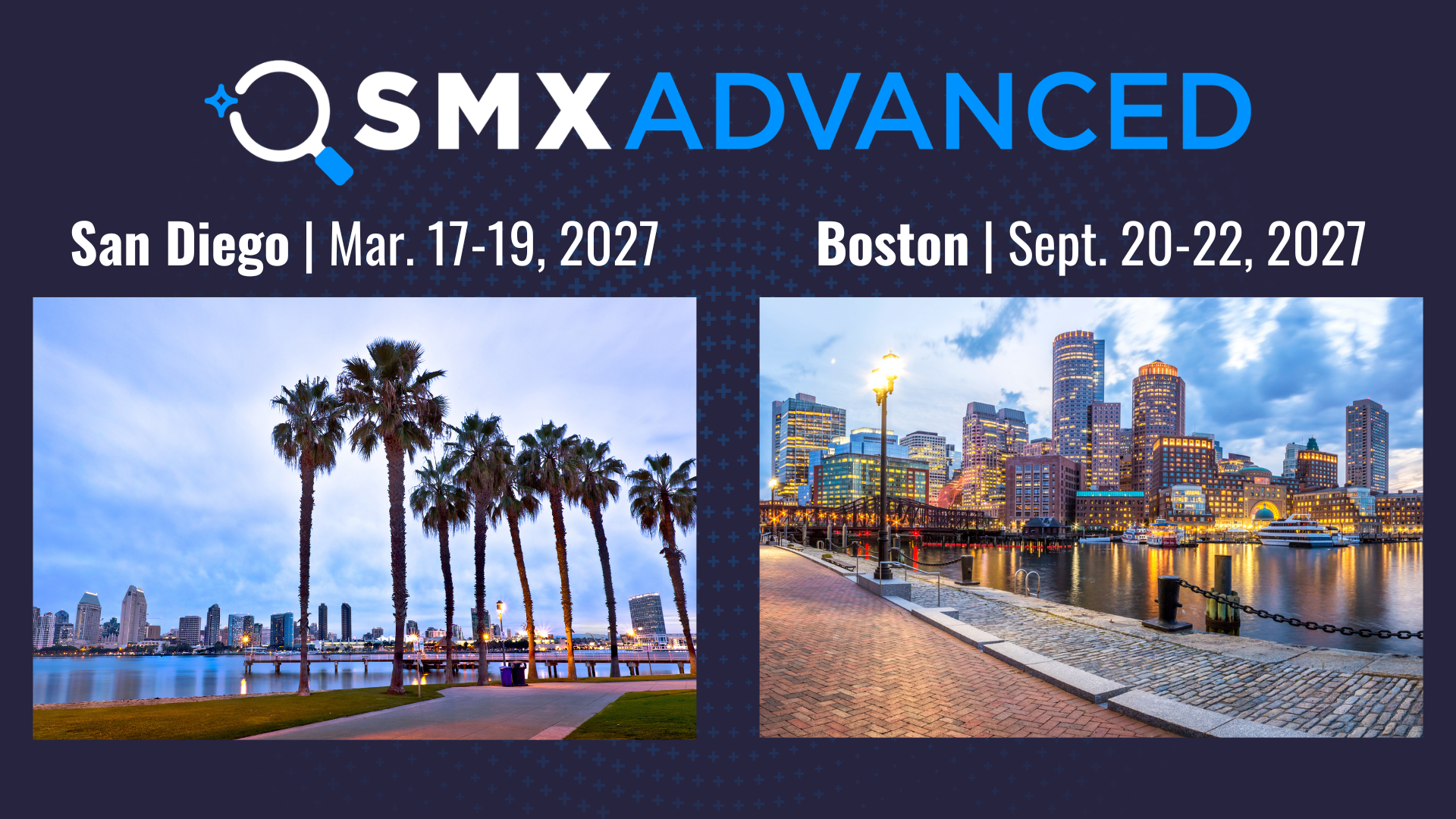
For the first time in its 20-year history, SMX Advanced is expanding to a two-event schedule in 2027. The premier search marketing conference will host a West Coast edition in San Diego this March and an East Coast gathering in Boston come September, giving senior search practitioners easier access to advanced tactics and networking.
Get the top AI-search and GEO stories in your inbox once a day, no spam.