

Google's Gemini app has surpassed 1 billion monthly active users, with 63% engaging through voice interactions. This rapid uptake highlights a shift for local and small businesses away from traditional keyword searches towards conversational AI optimization.
Search forum discussions highlight major shifts in how AI search tools process local business data. With platforms like Google AI Overviews, Gemini, and Perplexity refining their citation models, local business owners need to adjust their optimization tactics to stay discoverable. Here is a breakdown of these industry changes alongside actionable steps to protect your AI search presence.

Common Crawl, the web dataset used to train major AI models like ChatGPT and Gemini, recently released guidelines on web visibility. Search expert Suganthan Mohanadasan has now automated these checks into a free tool, allowing business owners to verify if AI crawlers can index their sites.

A recent experiment revealed that AI models like ChatGPT, Claude, and Gemini provide different strategic recommendations based on the context provided. This highlights the importance of understanding the nuances of AI decision-making for businesses. By considering the context and objectives of a business, AI models can offer more tailored and effective guidance.

AI search engines like ChatGPT, Gemini, and Perplexity rely heavily on local listing accuracy and review sentiment to recommend local businesses. Recent data reveals that data inconsistencies across web directories can completely erase your brand from AI answers. Learn how small businesses can optimize their local signals for generative engine optimization (GEO).
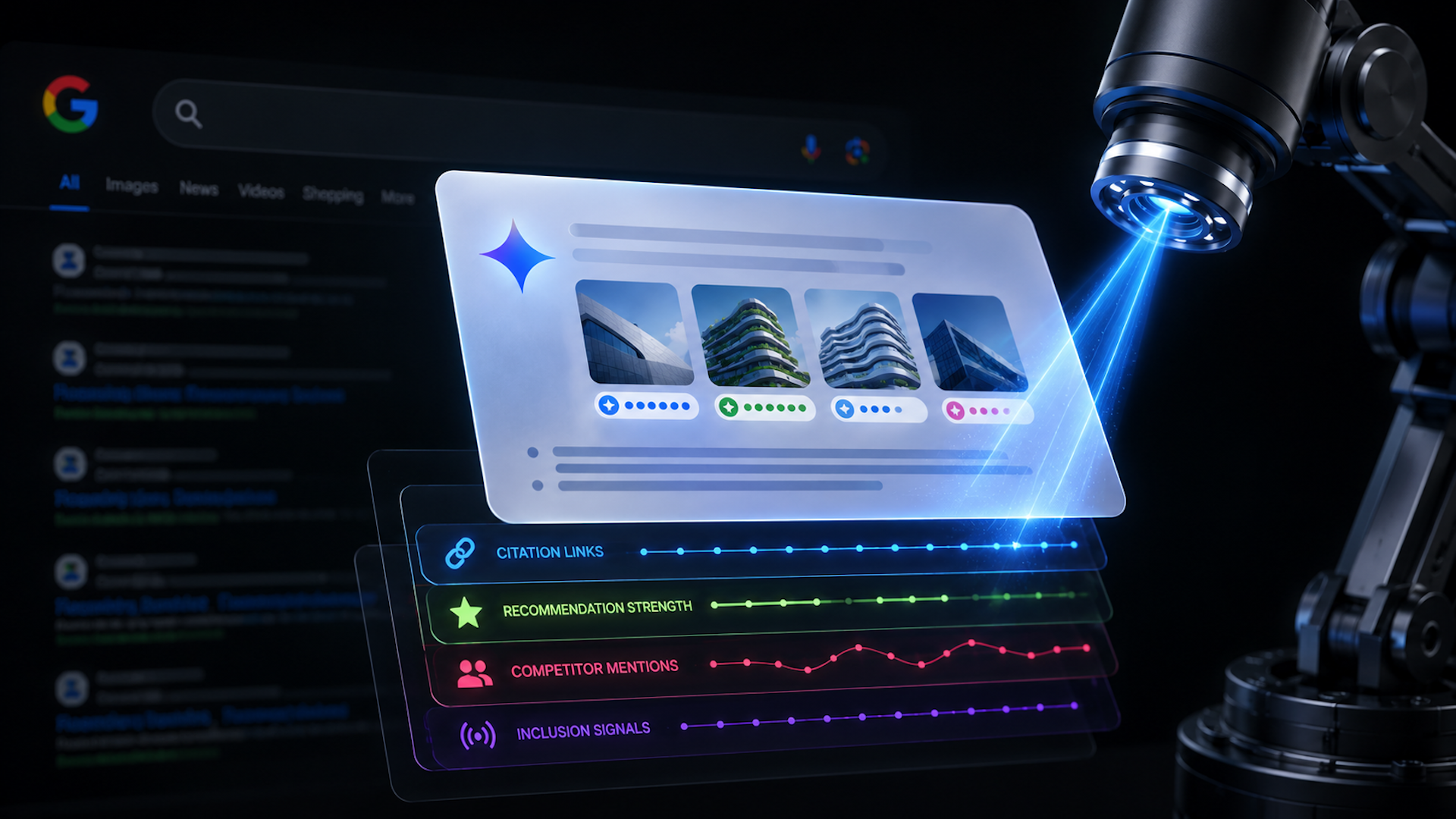
Standard analytics tools like Google Search Console fail to capture when Google Gemini recommends your business to prospective buyers. To stay competitive, business owners must learn how to directly track brand mentions, gauge share of voice, and optimize their presence across the emerging AI search landscape.
Several large publishers are considering blocking Google Search entirely due to declining click-through rates and a perceived imbalance in the value exchange with Google. This move could significantly impact businesses trying to get discovered and cited by AI search tools.
YouTube has clarified its rules for monetization, explaining what types of content can prevent a channel from earning money. This update aims to clarify existing rules, not change them, and affects business owners who rely on the platform for revenue.
Google's CEO Sundar Pichai recently stated that the company needs Gemini 4 to compete in the next frontier of AI search, as Gemini 3.5 Pro remains delayed. This development highlights the importance of optimizing for emerging AI technologies to stay ahead of the competition.
Google's search revenue growth has eased after a year of acceleration, with a 17% rise to $63.27 billion in Q2, attributed to retail and Gemini integration. This slowdown is a significant change for businesses, as it affects online visibility and discoverability. Understanding the impact of this change is crucial for businesses to stay ahead in the competitive search landscape.
Google Search has upgraded to Gemini 3.5 Flash-Lite, a significant improvement in AI search capabilities that affects local businesses' online visibility and citations. To stay ahead of the competition, businesses must adapt to these changes by optimizing their online presence for the new AI search technology. This update marks a crucial shift in the local SEO landscape, requiring businesses to be proactive in maintaining their online visibility.
A recent study reveals that AI answers about businesses' locations are often incorrect, including wrong postcodes, closed-business claims, and invented services. Learn how to audit your business information across five popular AI platforms to avoid misleading customers.
Discover how MCP connects AI assistants, enhancing marketing effectiveness and improving data-driven decision-making. Learn what to connect first and why your data wins in this essential guide for marketers.
Google is facing a class action lawsuit over allegations that it used books from various publishers to train its Gemini AI without permission, raising concerns about the ethics of AI training data and its potential impact on the publishing industry.
Google has updated the user agent name of Google-NotebookLM to Google-GeminiNotebook, reflecting the integration of Gemini AI into its search functionality. This change may impact local SEO and business discoverability on Google. Businesses must adapt to these changes to remain visible and competitive online.
Google's Gemini 3.5 Pro update, expected to roll out months ago, is delayed due to coding issues. This news affects local businesses seeking AI-driven visibility and citations.
Get the top AI-search and GEO stories in your inbox once a day, no spam.