

Anthropic, a prominent AI research organization, is taking a significant step to comply with the European Union's AI Act by embedding invisible watermarks in text and files produced by its AI model, Claude. This initiative aims to ensure that AI-generated content is properly attributed, which holds vital implications for businesses navigating AI search visibility.

A recent experiment revealed that AI models like ChatGPT, Claude, and Gemini provide different strategic recommendations based on the context provided. This highlights the importance of understanding the nuances of AI decision-making for businesses. By considering the context and objectives of a business, AI models can offer more tailored and effective guidance.
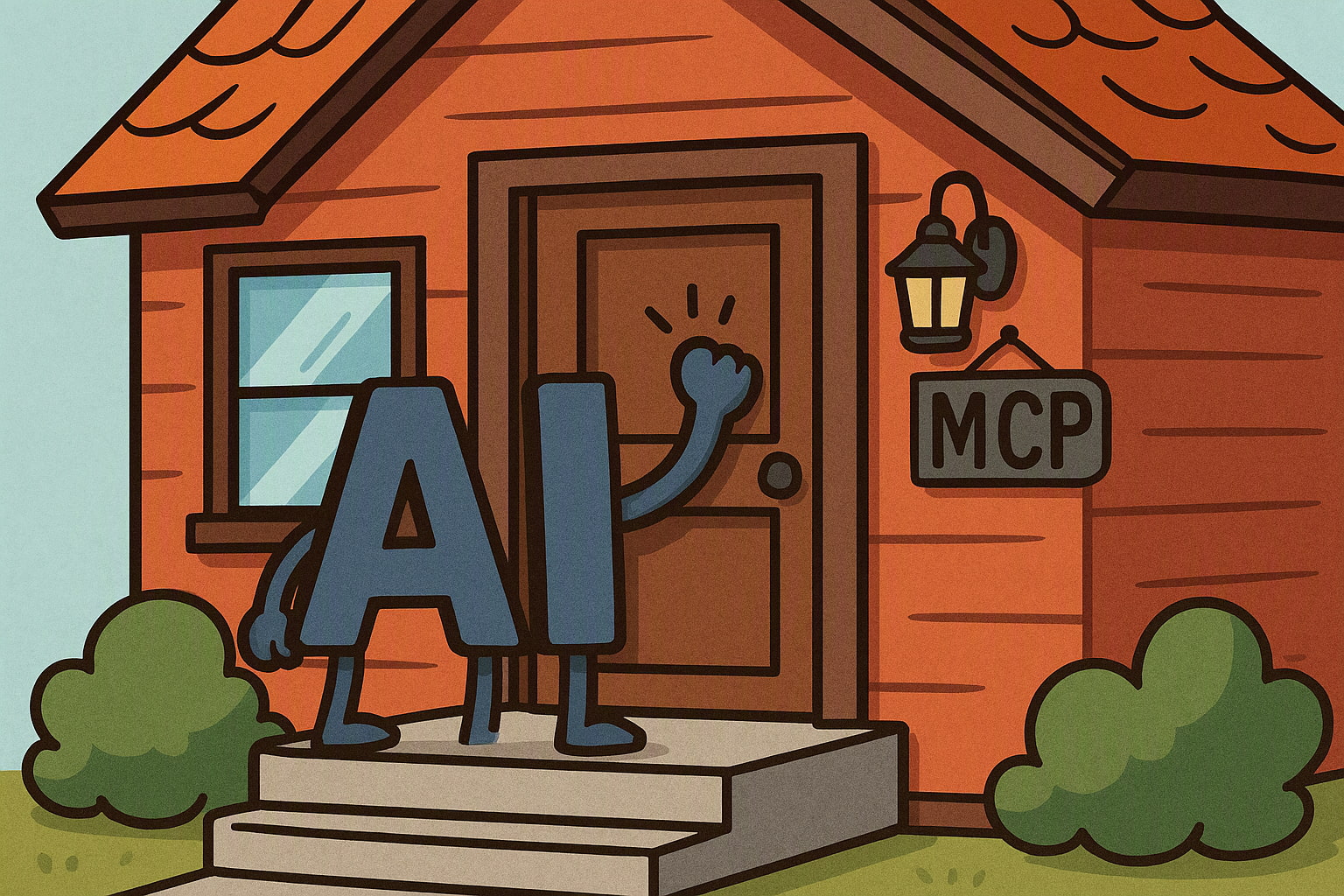
As AI tools like ChatGPT and Claude integrate into marketing systems, concerns are growing that traditional CRMs may become obsolete. However, these AI assistants function as reasoning engines that depend on structured business data to deliver accurate recommendations, emphasizing the continued importance of a solid CRM foundation for local businesses to enhance their visibility in AI search results.
A significant technical oversight recently revealed thousands of private Claude AI chats and documents in Google Search results. This incident underscores a vital principle of technical SEO: a robots.txt Disallow rule can prevent search engines from reading your Noindex tags, leading to unintended public exposure.
Anthropic's Claude, a cutting-edge AI model, can now learn new skills by watching videos of humans performing tasks, marking a significant milestone in AI's ability to adapt and learn from visual content.
Get the top AI-search and GEO stories in your inbox once a day, no spam.