

Google is rolling out household income exclusions for Performance Max campaigns, giving advertisers a new level of audience control. This feature allows advertisers to exclude specific household income segments directly at the campaign level, potentially improving campaign delivery and ROI.
Google's John Mueller reveals a robots.txt quirk that can cause Googlebot to ignore rules, potentially harming SEO. This issue affects local businesses and online marketers trying to optimize their websites for search engine visibility. Understanding this quirk is crucial for maintaining a strong online presence.

ChatGPT Ads has introduced several new tools aimed at improving advertising performance, conversion optimization, and campaign management. These updates bring ChatGPT Ads closer to the level of more mature ad platforms.

Google has updated its review snippet structured data guidelines to prohibit fake or undisclosed incentivized reviews, aiming to improve the accuracy and trustworthiness of review snippets in Google Search. Business owners must ensure their review snippets comply with the new guidelines to maintain eligibility for rich results and Google Knowledge Panels. This is crucial for maintaining a positive online reputation and improving online visibility.
Google has introduced an email notice system for local businesses when a review is not posted on their Google Maps profile, aiming to provide transparency and accountability in the review submission process.
Several large publishers are considering blocking Google Search entirely due to declining click-through rates and a perceived imbalance in the value exchange with Google. This move could significantly impact businesses trying to get discovered and cited by AI search tools.
Google's AI search is sending billions of clicks to websites every week, but publishers are fed up with the volatile ranking system. This news highlights the importance of adapting to AI-driven search and optimizing your online presence to stay ahead.
A recent article on Search Engine Journal warns businesses against relying on outdated link schemes to boost AI visibility, emphasizing the importance of quality content and real authority in securing a strong presence in AI tools.
Google's search growth has slowed, and major publishers are considering leaving the platform due to a €890 million fine from the EU and disputes over DMCA claims. This shift could have significant implications for businesses relying on Google's search engine optimization (SEO) for visibility.

Learn how to identify and fix common mistakes that can undermine your SEO experiments, ensuring reliable and actionable results. Discover the importance of choosing the right testing methodology and avoiding flaws in your testing framework. Improve your SEO testing programs with a 70% average success rate.
Alphabet's Q2 earnings report has made headlines with a whopping $5.85 billion negative free cash flow, largely due to Google's infrastructure spending. This unexpected financial outcome may have significant implications for local businesses looking to get discovered through AI-powered search engines. As AI continues to shape the digital landscape, understanding the financial dynamics of tech giants like Google is crucial for businesses seeking online visibility.
YouTube has clarified its rules for monetization, explaining what types of content can prevent a channel from earning money. This update aims to clarify existing rules, not change them, and affects business owners who rely on the platform for revenue.
Discover why AI browsers are inherently flawed and how you can optimize your website for AI search engines like ChatGPT, Perplexity, and Google AI Overviews. Learn how to create a website that AI machines can read.
Discover the evidence behind AI search and its effects on page performance. Learn how to optimize your local business for better visibility in AI-powered search results.

The European Commission has fined Google €890 million under the Digital Markets Act (DMA) for its anti-competitive practices with Google Search and Google Play. This move aims to promote fairness in search results and app stores, impacting local businesses' online strategies. Local businesses should adapt to the changes and ensure they are not unfairly competing with Google's own services.

Yelp's partnership with OpenAI is set to revolutionize local search by integrating Yelp content into ChatGPT searches, making it easier for users to find and interact with local businesses. This integration will give users access to real-time local recommendation data, increasing the competition for online visibility. As a business owner, it's crucial to stay ahead of the curve and optimize your online presence to take advantage of this new development.
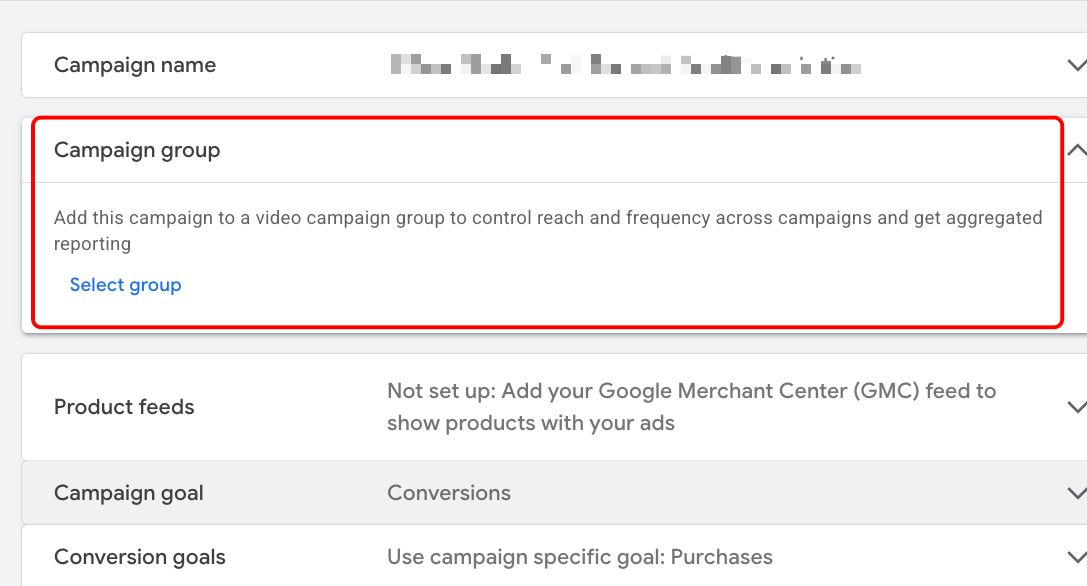
Google Ads introduces video campaign groups to simplify YouTube ad management, improve audience reach, and reduce overexposure. This feature allows advertisers to group multiple campaigns under a shared reach or frequency goal, streamlining campaign management and improving media efficiency.
Google's CEO Sundar Pichai recently stated that the company needs Gemini 4 to compete in the next frontier of AI search, as Gemini 3.5 Pro remains delayed. This development highlights the importance of optimizing for emerging AI technologies to stay ahead of the competition.
Google's search revenue growth has eased after a year of acceleration, with a 17% rise to $63.27 billion in Q2, attributed to retail and Gemini integration. This slowdown is a significant change for businesses, as it affects online visibility and discoverability. Understanding the impact of this change is crucial for businesses to stay ahead in the competitive search landscape.
Discover why AI content stopped working and what local businesses can do to adapt to Google's latest changes. Learn about GEO and answer engine optimization, and how to boost content personalization signals for conversions.
Get the top AI-search and GEO stories in your inbox once a day, no spam.