

The European Commission has fined Google €890 million under the Digital Markets Act (DMA) for its anti-competitive practices with Google Search and Google Play. This move aims to promote fairness in search results and app stores, impacting local businesses' online strategies. Local businesses should adapt to the changes and ensure they are not unfairly competing with Google's own services.
Google's 2011 'not provided' update revolutionized SEO, and now ChatGPT has followed suit, leaving local businesses to adapt and thrive in a new landscape. This shift presents an opportunity for businesses to focus on high-quality content and nuanced SEO strategies. By doing so, they can build a strong online presence and stay ahead in the ever-evolving world of SEO.
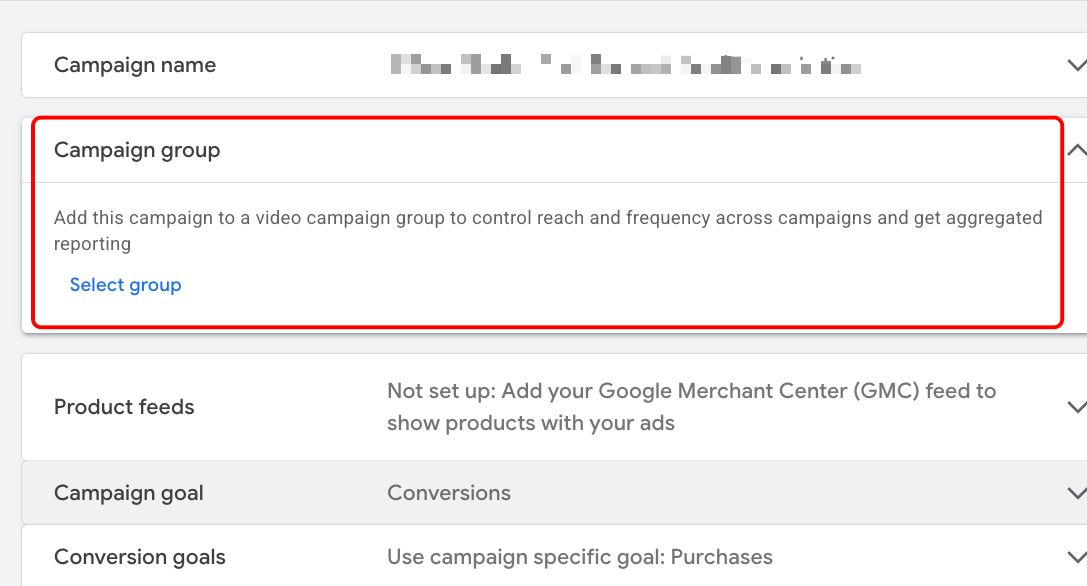
Google Ads introduces video campaign groups to simplify YouTube ad management, improve audience reach, and reduce overexposure. This feature allows advertisers to group multiple campaigns under a shared reach or frequency goal, streamlining campaign management and improving media efficiency.
Google's CEO Sundar Pichai recently stated that the company needs Gemini 4 to compete in the next frontier of AI search, as Gemini 3.5 Pro remains delayed. This development highlights the importance of optimizing for emerging AI technologies to stay ahead of the competition.
Google's search revenue growth has eased after a year of acceleration, with a 17% rise to $63.27 billion in Q2, attributed to retail and Gemini integration. This slowdown is a significant change for businesses, as it affects online visibility and discoverability. Understanding the impact of this change is crucial for businesses to stay ahead in the competitive search landscape.
Discover why AI content stopped working and what local businesses can do to adapt to Google's latest changes. Learn about GEO and answer engine optimization, and how to boost content personalization signals for conversions.
Google Search has upgraded to Gemini 3.5 Flash-Lite, a significant improvement in AI search capabilities that affects local businesses' online visibility and citations. To stay ahead of the competition, businesses must adapt to these changes by optimizing their online presence for the new AI search technology. This update marks a crucial shift in the local SEO landscape, requiring businesses to be proactive in maintaining their online visibility.
A federal court has dismissed Google's DMCA claims against SerpApi, a web scraping API, ruling that blocking scrapers from public search results is not copyright circumvention. This decision could have significant implications for businesses trying to get found by AI search tools.
Google continues to enhance its AI search data, expanding its coverage in Search Console and Merchant Center. However, crucial metrics such as clicks and individual queries remain missing, limiting marketers' abilities to gauge the effectiveness of their strategies. This update highlights the ongoing challenge of accessing complete and accurate data for AI-driven search performance.
Google's Liz Reid recently discussed persistent autonomous search, a revolutionary change in how users interact with search. This new technology uses six triggers to continuously seek answers, potentially altering local SEO strategies forever. Learn how it affects your business's online visibility.
Boost your online visibility by understanding why Google crawls but doesn't index your pages. Learn a step-by-step plan to resolve the issue and get found by AI search engines.
Google is integrating Local Services Ads into Google Ads, expanding its Performance Max pay-per-lead campaigns with bidding, reporting, and management changes starting in August 2026. This move aims to simplify local service advertising and improve business visibility on Google, ultimately driving more leads and sales for small businesses.
Google is now mandated by EU binding rules to share anonymized search data with eligible rival engines and search-enabled AI chatbots, expected to increase transparency and competition in the search engine market.
A recent study reveals that AI answers about businesses' locations are often incorrect, including wrong postcodes, closed-business claims, and invented services. Learn how to audit your business information across five popular AI platforms to avoid misleading customers.
Google has downplayed many Search Console 'error' reports, stating that the tool was never meant to be a checklist of things to fix. This change may impact local businesses trying to optimize their online presence and get discovered by AI search tools like Google.
Discover how MCP connects AI assistants, enhancing marketing effectiveness and improving data-driven decision-making. Learn what to connect first and why your data wins in this essential guide for marketers.
Google Search Ranking Volatility: On July 18th, Google may have released another unconfirmed search ranking update, affecting businesses trying to get found by AI-powered search tools. Stay informed to maintain your online visibility.
AI visibility tools that count citations can't be relied on to measure their effectiveness. Learn what to measure instead to bridge the gap and get discovered by AI search engines.
Discover when to use Search Console's 'Validate Fix' according to Google. Learn how this feature impacts your website's SEO and online visibility. Enhance your local business's chances of getting found and cited by AI search engines.
Google's John Mueller revealed that 'are you a bot' screens can lead to pages being dropped from Google's index, affecting a site's visibility and search engine rankings. This can also cause Google to pick another site as the canonical version, potentially harming a business's online presence. Business owners and marketers need to be aware of this issue to avoid negatively impacting their website's search engine optimization (SEO).
Get the top AI-search and GEO stories in your inbox once a day, no spam.