

Google has updated its official crawl budget guidance with two key technical clarifications: all specialized Google crawlers draw from a single shared capacity pool, and websites should implement HTTP 304 'Not Modified' response codes. Serving 304 responses for static pages conserves server resources, allowing search engines and AI platforms to discover and index new content faster.

SEO veteran Bill Hartzer has released a free, 50-lesson link building masterclass detailing how modern link graphs and Digital PR work. For business owners and marketers, mastering these foundational strategies is essential to building the digital authority required for citations in AI engines like ChatGPT and Perplexity.

In a revealing Search Engine Journal interview, search veteran Kris Jones highlights 'synthesis' as the key driver behind AI brand recommendations. Jones explains how tools like ChatGPT, Perplexity, and Google AI Overviews decide who gets recommended and how small businesses can capture those high-converting AI citations.

Snapchat is no longer recommending fully AI-generated videos in its Spotlight feed, prioritizing genuine human storytelling and original creator content instead. Driven by regulatory obligations like the EU AI Transparency Law and mounting Gen Z anxiety around synthetic media, the move signals a platform-wide turn toward authenticity. For businesses dependent on automated AI video tools, adapting visual strategies is now essential to safeguarding both social reach and AI search visibility.

A maximum-severity 9.8 security vulnerability in the WooCommerce Social Login WordPress plugin allows unauthenticated attackers to gain full administrator access to e-commerce stores. Exploiting a flaw in the Apple login authentication process, hackers can bypass passwords using just an email address. Immediate updates are required to protect store data, customer trust, and AI search engine visibility.

Google has expanded the availability of Search Console social reporting globally, enabling businesses to track the performance of their social media posts in search results. Additionally, recent data indicates that while AI-generated content can still rank in Google's top 10, those with higher AI detection scores tend to occupy lower search positions.

OpenAI is experimenting with a new ChatGPT advertising format that replaces traditional destination websites with conversational AI agents tailored to each business, potentially revolutionizing the way businesses interact with customers online.
Google has officially introduced social platform properties to help brands track their entity reach across TikTok, YouTube, X, and Instagram, even as site owners handle ongoing search ranking volatility and page indexing delays. At the same time, new developments in ChatGPT Ads and strict Google review guidelines point to an evolving landscape for local search visibility and AI-driven business discovery.

Balancing AI-driven efficiency with human expertise is key to SEO success, as Google increasingly rewards original thinking and distinctive perspectives. AI can streamline tasks, but relying on it alone can lead to poor-quality content and decreased visibility. By using AI to support strategy and keeping human expertise at the center, businesses can create high-quality content that meets Google's expectations and improves their online presence.
New data from Similarweb reveals that AI search tools like ChatGPT and Perplexity are not replacing traditional search engines—they are layering on top of them. To capture modern consumers, local business owners must execute a dual strategy combining traditional Google SEO with Generative Engine Optimization (GEO).
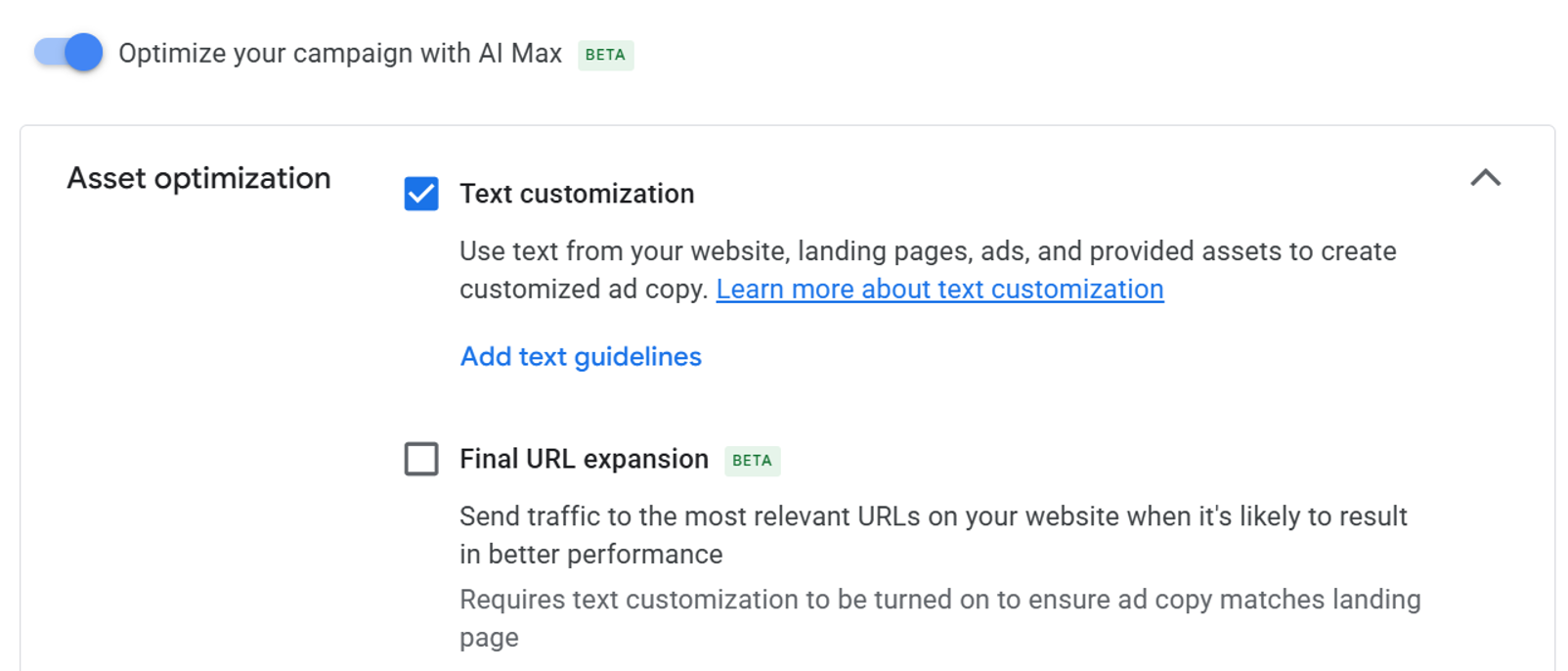
Google Ads AI Max can generate customized ad copy across individual ad groups, reducing the manual workload on your PPC team. However, testing shows that auto-generated copy requires strict guardrails to prevent off-brand messaging or false promotional claims. Here is how to apply messaging restrictions so you can scale ad performance while protecting your brand.
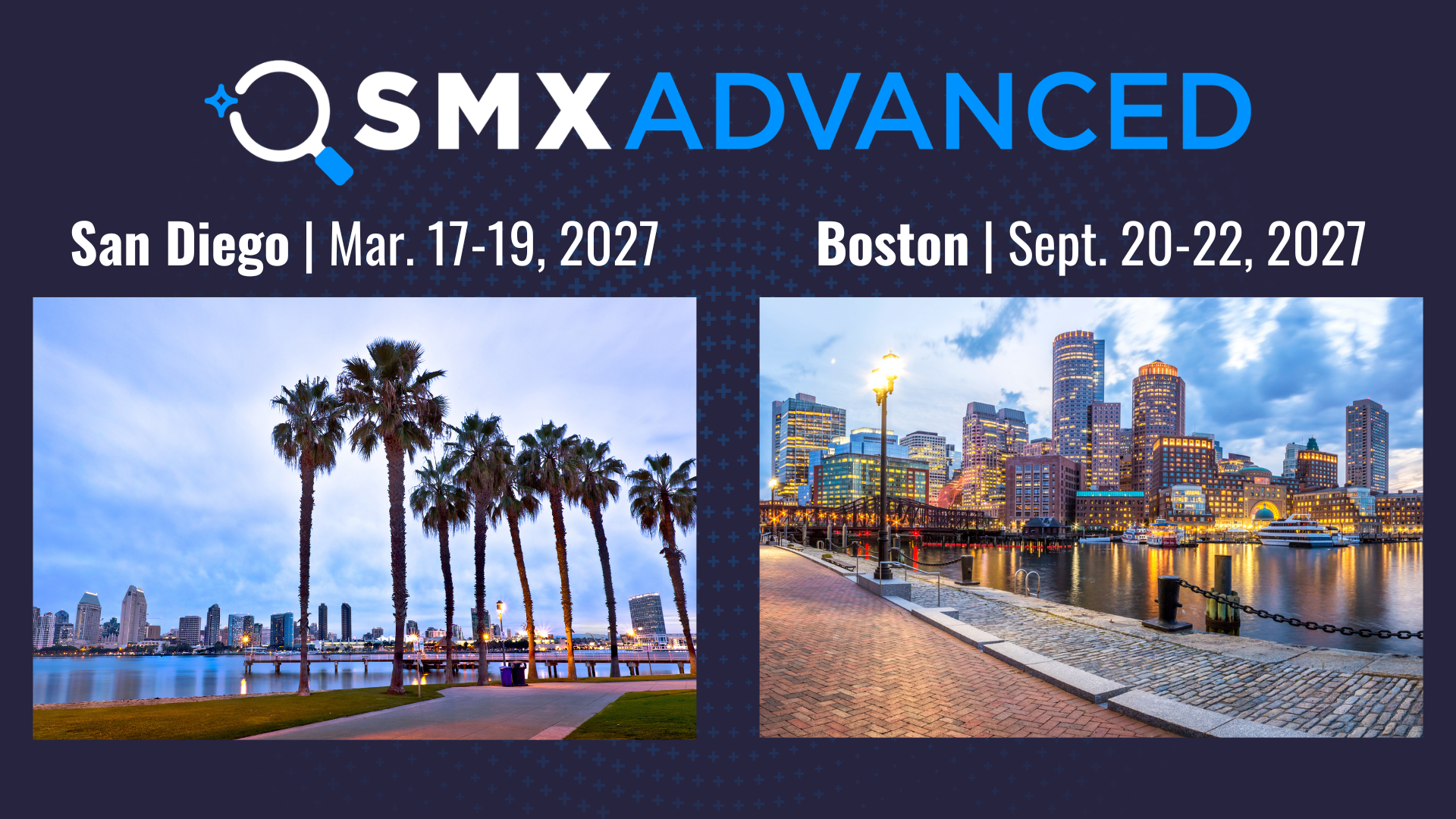
For the first time in its 20-year history, SMX Advanced is expanding to a two-event schedule in 2027. The premier search marketing conference will host a West Coast edition in San Diego this March and an East Coast gathering in Boston come September, giving senior search practitioners easier access to advanced tactics and networking.
A recent study by Ahrefs reveals that while heavily AI-flagged pages can reach Google's top 10 search results, human-driven content overwhelmingly dominates the top three positions. In fact, over 54% of these top-tier pages carry less than 20% AI-generated text. For local business owners relying on unedited, automated copy, this trend poses a direct threat to search visibility and AI answer engine citations.
This article explores how publishers can effectively monetize their content by enhancing AI visibility. It addresses the current challenges in the publishing landscape and outlines future opportunities for growth.
A significant technical oversight recently revealed thousands of private Claude AI chats and documents in Google Search results. This incident underscores a vital principle of technical SEO: a robots.txt Disallow rule can prevent search engines from reading your Noindex tags, leading to unintended public exposure.
X, the social media platform formerly known as Twitter, has taken a bold step in fighting chatbot spam by live-tweeting its efforts in real-time, removing 42,000 accounts that were automating replies using AI-assisted tools. This move is crucial for businesses trying to get found and cited by AI search tools, ensuring the authenticity of online interactions. By prioritizing authenticity and transparency, businesses can build trust with their audience and establish a strong online presence.

Google is rolling out household income exclusions for Performance Max campaigns, giving advertisers a new level of audience control. This feature allows advertisers to exclude specific household income segments directly at the campaign level, potentially improving campaign delivery and ROI.
Google's John Mueller reveals a robots.txt quirk that can cause Googlebot to ignore rules, potentially harming SEO. This issue affects local businesses and online marketers trying to optimize their websites for search engine visibility. Understanding this quirk is crucial for maintaining a strong online presence.

ChatGPT Ads has introduced several new tools aimed at improving advertising performance, conversion optimization, and campaign management. These updates bring ChatGPT Ads closer to the level of more mature ad platforms.
Several large publishers are considering blocking Google Search entirely due to declining click-through rates and a perceived imbalance in the value exchange with Google. This move could significantly impact businesses trying to get discovered and cited by AI search tools.
Get the top AI-search and GEO stories in your inbox once a day, no spam.