

A new report highlights six perspectives on demand generation in AI search, revealing a shift away from measuring marketing success through website traffic alone. This change is driven by the rise of AI-driven search, where most searches end without a click. Businesses must adapt to this new landscape to remain visible and competitive.

Modern searchers rarely follow a straight path to conversion, making cross-channel visibility essential. A 26-week case study published in Search Engine Land demonstrates how aligning SEO and PPC efforts eliminates friction points and builds brand authority across every buyer touchpoint.

Google's limited test of a sign-in feature could significantly impact local businesses' online visibility, as users may be discouraged from accessing more search results, leading to a decrease in traffic to websites that rely on organic search.
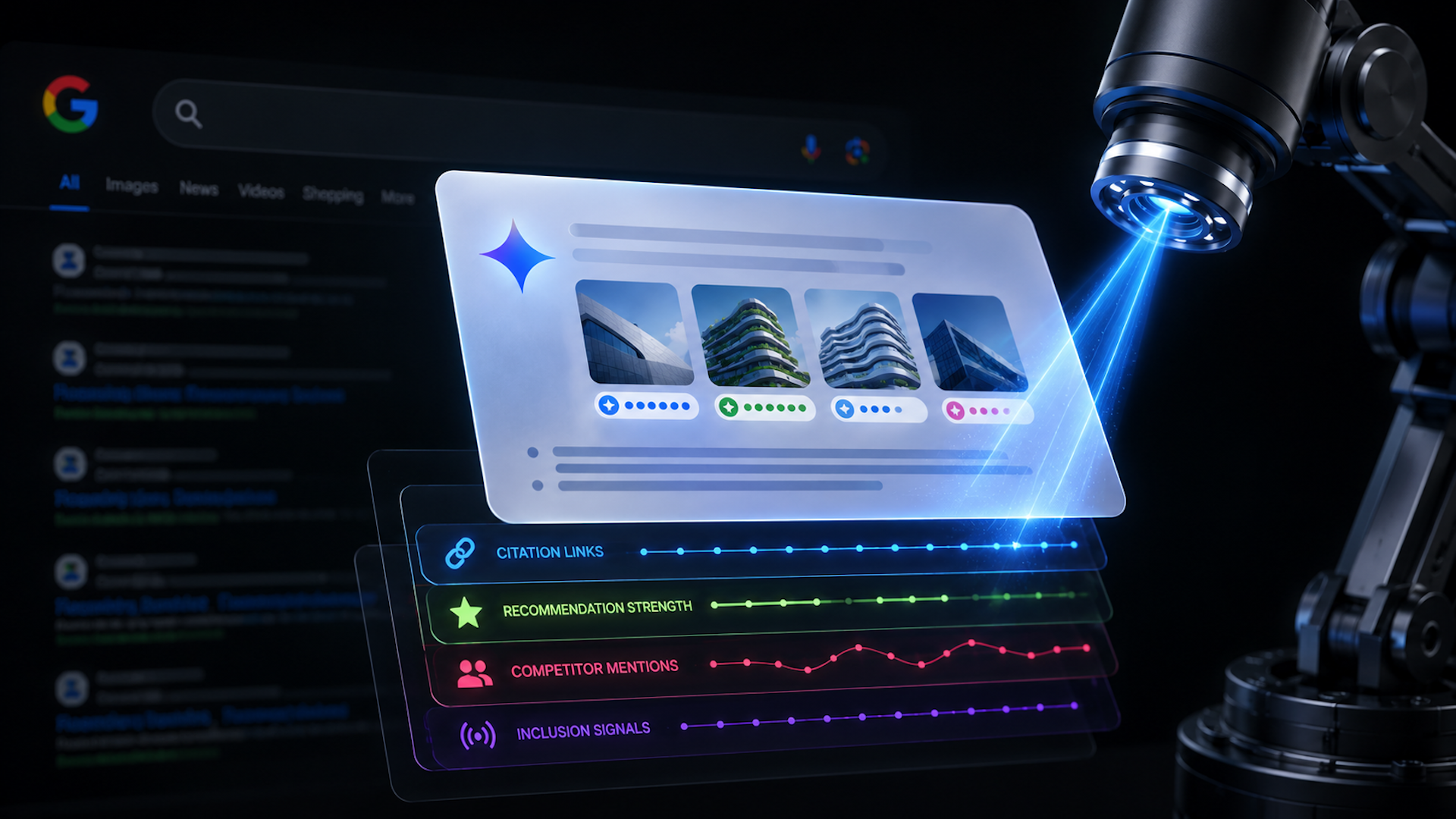
Standard analytics tools like Google Search Console fail to capture when Google Gemini recommends your business to prospective buyers. To stay competitive, business owners must learn how to directly track brand mentions, gauge share of voice, and optimize their presence across the emerging AI search landscape.
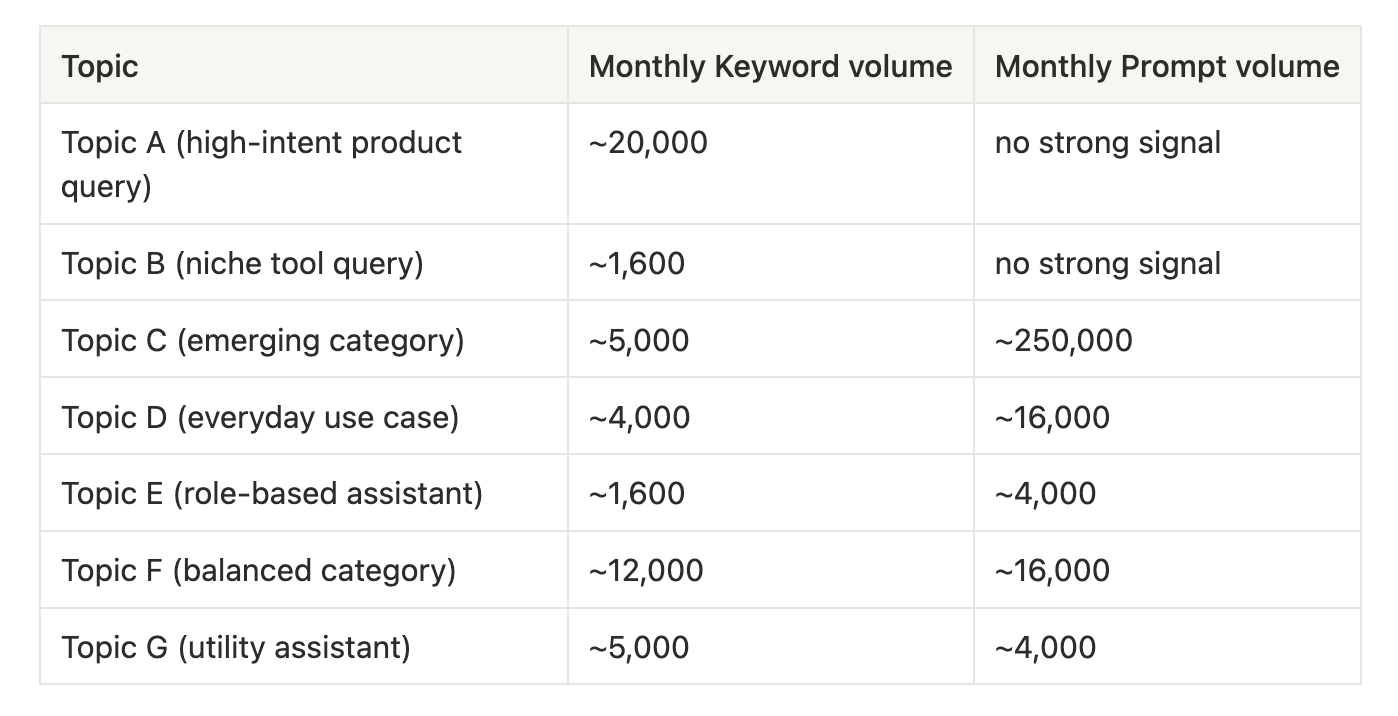
A game-changing approach to SEO strategy combines keyword research with prompt research to uncover demand signals that traditional keyword research may miss.

Recent research reveals that ChatGPT and other leading AI platforms populate product recommendation carousels directly from Google Merchant Center feeds rather than scraping traditional web pages. With up to 83% of AI product recommendations mirroring top Google Shopping organic results, feed optimization has quickly become the primary battlefield for AI visibility. For e-commerce brands and local retailers, feed quality now determines whether your products get recommended—or overlooked.
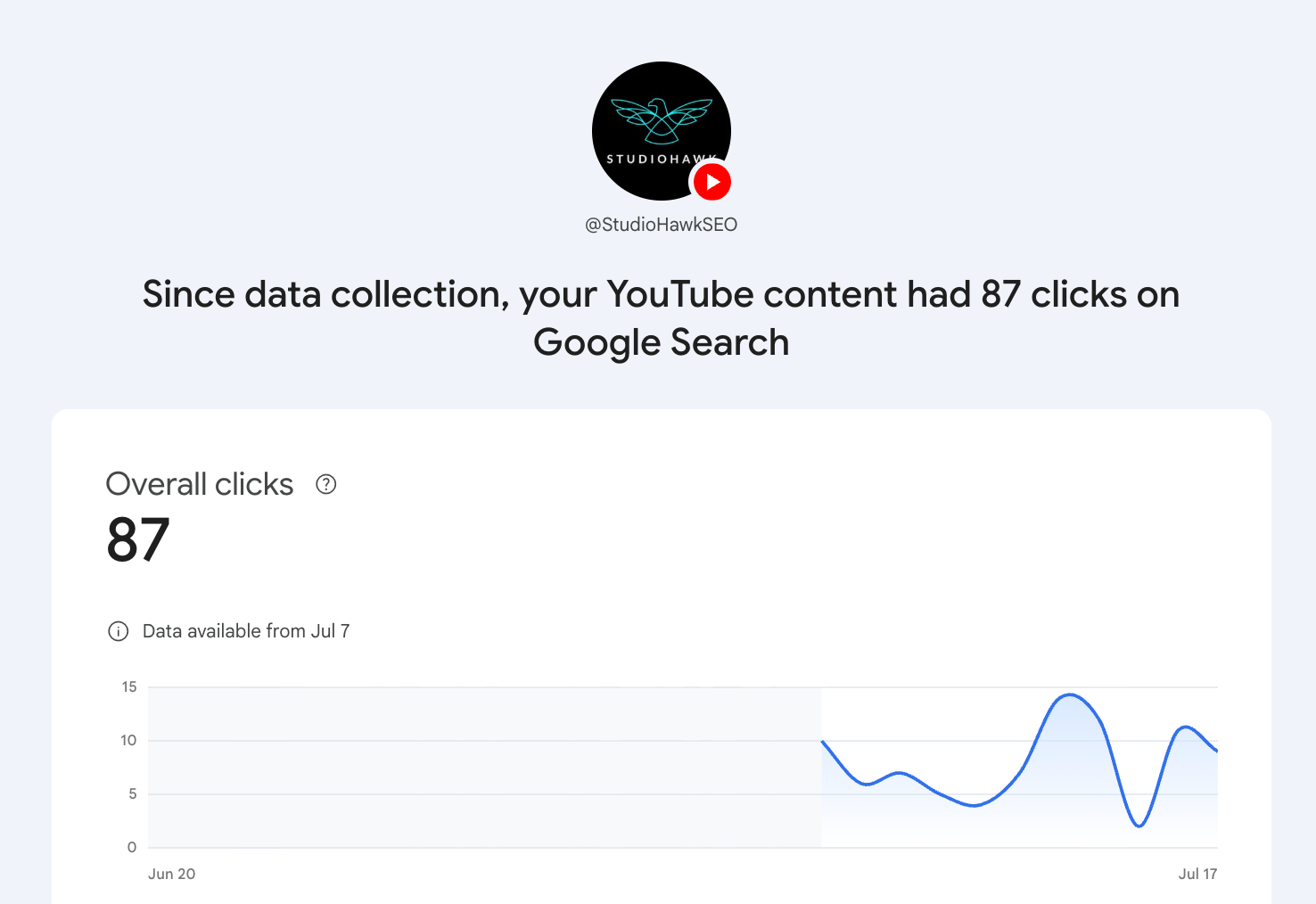
Google's introduction of Platform Properties in Search Console bridges the gap between search engine optimization (SEO) and social media marketing. This feature allows businesses to track YouTube, TikTok, and Instagram search performance directly, exposing massive, previously invisible search traffic. To dominate modern search and earn citations in AI engines, businesses must build a unified social topical map.

Balancing AI-driven efficiency with human expertise is key to SEO success, as Google increasingly rewards original thinking and distinctive perspectives. AI can streamline tasks, but relying on it alone can lead to poor-quality content and decreased visibility. By using AI to support strategy and keeping human expertise at the center, businesses can create high-quality content that meets Google's expectations and improves their online presence.
As buyers trade traditional Google searches for conversational tools like ChatGPT and Perplexity, businesses face a new optimization challenge. Search experts at Bodhium Labs warn that mass-producing low-quality AI content will only damage existing search rankings, offering practical strategies to earn AI citations while protecting hard-won Google SEO authority.

A new study from Writesonic reveals that roughly 40% of AI search citations fail to mention the source brand in their generated text. This phenomenon—dubbed 'ghost citations'—varies significantly across platforms, affecting engines like Perplexity, Google AI Mode, and ChatGPT. Consequently, tracking citation counts alone no longer provides business owners with an accurate picture of actual brand visibility.

Discover how SEO can optimize your acquisition system, reduce blended customer acquisition costs, and drive business efficiency. Learn the importance of measuring customer acquisition costs (CAC), the challenges of attribution, and how SEO can influence other channels. With the rise of AI-powered search engines, understanding CAC is crucial for businesses to stay ahead of the competition.

Understanding the historical context of your Google Business Profile address is vital for maintaining your local rankings. Changes to your address can have significant effects on visibility, particularly for service-based businesses where address accuracy is a key component of strategy.

Explore how AI systems interpret your business and learn effective strategies to enhance your online visibility. This article provides actionable insights on auditing your AI entity footprint and optimizing your presence for AI-driven search engines.

Google has updated its review snippet structured data guidelines to prohibit fake or undisclosed incentivized reviews, aiming to improve the accuracy and trustworthiness of review snippets in Google Search. Business owners must ensure their review snippets comply with the new guidelines to maintain eligibility for rich results and Google Knowledge Panels. This is crucial for maintaining a positive online reputation and improving online visibility.

Learn how to identify and fix common mistakes that can undermine your SEO experiments, ensuring reliable and actionable results. Discover the importance of choosing the right testing methodology and avoiding flaws in your testing framework. Improve your SEO testing programs with a 70% average success rate.

Expert SEO guidance on navigating technical debt in SEO, including when to fix issues, when to monitor them, and when to leave them alone. Get a clear understanding of what technical debt means in SEO and how to prioritize it effectively.

The European Commission has fined Google €890 million under the Digital Markets Act (DMA) for its anti-competitive practices with Google Search and Google Play. This move aims to promote fairness in search results and app stores, impacting local businesses' online strategies. Local businesses should adapt to the changes and ensure they are not unfairly competing with Google's own services.

Yelp's partnership with OpenAI is set to revolutionize local search by integrating Yelp content into ChatGPT searches, making it easier for users to find and interact with local businesses. This integration will give users access to real-time local recommendation data, increasing the competition for online visibility. As a business owner, it's crucial to stay ahead of the curve and optimize your online presence to take advantage of this new development.

A recent Semrush analysis reveals that only 15.2% of ChatGPT topic categories have a clear brand owner, challenging the effectiveness of SEO alone in determining topic ownership.

Google is integrating Local Services Ads into the Google Ads interface, replacing the standalone LSA dashboard with a new Performance Max campaign designed specifically for local service businesses. This change will simplify campaign management and introduce tighter integration with Google Business Profiles.
Get the top AI-search and GEO stories in your inbox once a day, no spam.