

Google's recent leadership changes, including the departure of Jeff Dean and a role change for Demis Hassabis, may significantly impact the company's AI search, Gemini, and Google Search. Business owners and marketers need to stay informed about these changes and their potential effects.

Google's limited test of a sign-in feature could significantly impact local businesses' online visibility, as users may be discouraged from accessing more search results, leading to a decrease in traffic to websites that rely on organic search.

Standard analytics tools like Google Search Console fail to capture when Google Gemini recommends your business to prospective buyers. To stay competitive, business owners must learn how to directly track brand mentions, gauge share of voice, and optimize their presence across the emerging AI search landscape.

Recent research reveals that ChatGPT and other leading AI platforms populate product recommendation carousels directly from Google Merchant Center feeds rather than scraping traditional web pages. With up to 83% of AI product recommendations mirroring top Google Shopping organic results, feed optimization has quickly become the primary battlefield for AI visibility. For e-commerce brands and local retailers, feed quality now determines whether your products get recommended—or overlooked.
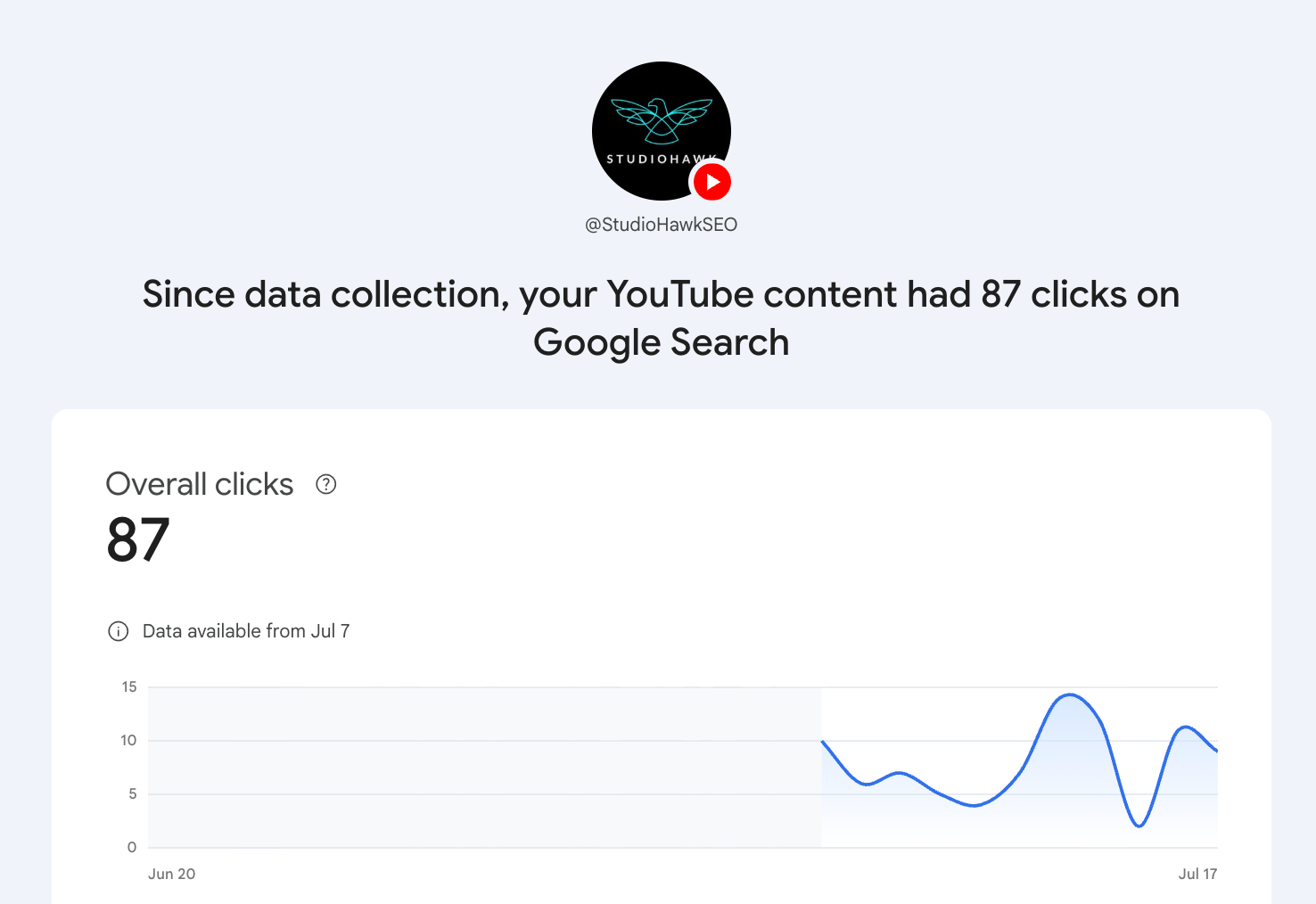
Google's introduction of Platform Properties in Search Console bridges the gap between search engine optimization (SEO) and social media marketing. This feature allows businesses to track YouTube, TikTok, and Instagram search performance directly, exposing massive, previously invisible search traffic. To dominate modern search and earn citations in AI engines, businesses must build a unified social topical map.

Balancing AI-driven efficiency with human expertise is key to SEO success, as Google increasingly rewards original thinking and distinctive perspectives. AI can streamline tasks, but relying on it alone can lead to poor-quality content and decreased visibility. By using AI to support strategy and keeping human expertise at the center, businesses can create high-quality content that meets Google's expectations and improves their online presence.
As buyers trade traditional Google searches for conversational tools like ChatGPT and Perplexity, businesses face a new optimization challenge. Search experts at Bodhium Labs warn that mass-producing low-quality AI content will only damage existing search rankings, offering practical strategies to earn AI citations while protecting hard-won Google SEO authority.

Stay ahead of the AI search curve: Discover the latest developments in AI search and how they impact your business's visibility online.

A new study from Writesonic reveals that roughly 40% of AI search citations fail to mention the source brand in their generated text. This phenomenon—dubbed 'ghost citations'—varies significantly across platforms, affecting engines like Perplexity, Google AI Mode, and ChatGPT. Consequently, tracking citation counts alone no longer provides business owners with an accurate picture of actual brand visibility.
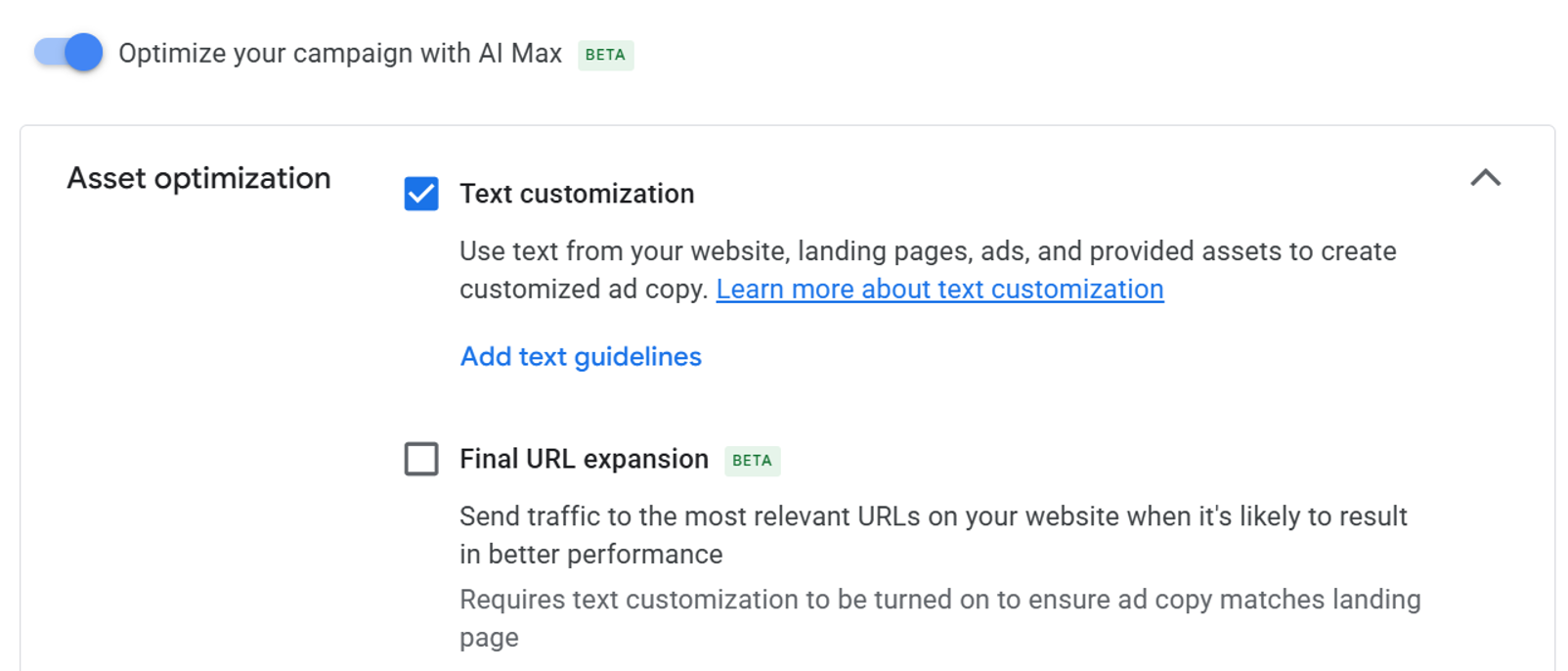
Google Ads AI Max can generate customized ad copy across individual ad groups, reducing the manual workload on your PPC team. However, testing shows that auto-generated copy requires strict guardrails to prevent off-brand messaging or false promotional claims. Here is how to apply messaging restrictions so you can scale ad performance while protecting your brand.

AI tools such as ChatGPT, Gemini, and Google AI Overviews increasingly rely on creator content and third-party media to answer subjective search queries. With research showing that 82% of AI citations point to external sources rather than brand websites, managing influencer partnerships and customer review channels has become essential for modern search visibility.

Understanding the historical context of your Google Business Profile address is vital for maintaining your local rankings. Changes to your address can have significant effects on visibility, particularly for service-based businesses where address accuracy is a key component of strategy.

Google is rolling out household income exclusions for Performance Max campaigns, giving advertisers a new level of audience control. This feature allows advertisers to exclude specific household income segments directly at the campaign level, potentially improving campaign delivery and ROI.

Google has updated its review snippet structured data guidelines to prohibit fake or undisclosed incentivized reviews, aiming to improve the accuracy and trustworthiness of review snippets in Google Search. Business owners must ensure their review snippets comply with the new guidelines to maintain eligibility for rich results and Google Knowledge Panels. This is crucial for maintaining a positive online reputation and improving online visibility.

As AI search continues to rise, businesses are being asked if their clients appear in AI-driven search platforms like ChatGPT. In this article, we'll explore the demand for AI search visibility, the challenges agencies face in measuring it, and what's trackable today.

The European Commission has fined Google €890 million under the Digital Markets Act (DMA) for its anti-competitive practices with Google Search and Google Play. This move aims to promote fairness in search results and app stores, impacting local businesses' online strategies. Local businesses should adapt to the changes and ensure they are not unfairly competing with Google's own services.

Google's AI Max technology has left beta, unlocking billions of new monetizable searches for advertisers and offering a clearer path to expand search revenue.
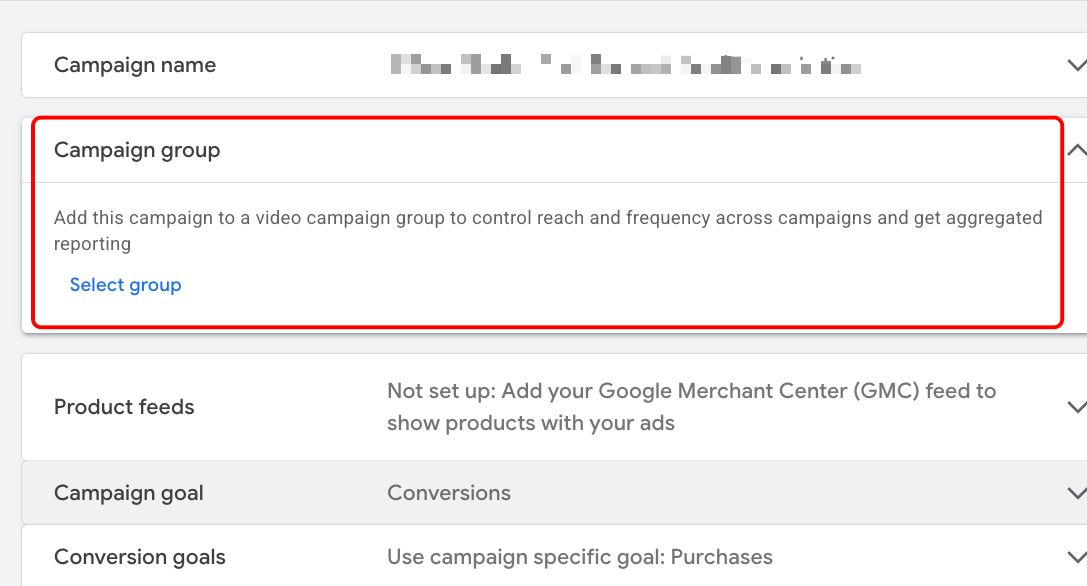
Google Ads introduces video campaign groups to simplify YouTube ad management, improve audience reach, and reduce overexposure. This feature allows advertisers to group multiple campaigns under a shared reach or frequency goal, streamlining campaign management and improving media efficiency.

Google has rolled out its 3.5 Flash-Lite AI model in Google Search, a significant upgrade that enhances search experiences and agentic workflows. This model is faster and more cost-effective, delivering 350 output tokens per second and outperforming prior Flash-Lite generations. Businesses should optimize their online presence for AI search to stay competitive.

A recent study by João da Silva and a VisibilityAI researcher reveals that framing your brand's category correctly can significantly impact its visibility on AI-powered search engines like ChatGPT and Google AI Overviews. The study tested 12 athletic apparel brands in the U.K. under two different category framings: athleisure and athletic footwear. By optimizing category framing, businesses can increase their chances of being recommended by AI search engines.
Get the top AI-search and GEO stories in your inbox once a day, no spam.