

A new report highlights six perspectives on demand generation in AI search, revealing a shift away from measuring marketing success through website traffic alone. This change is driven by the rise of AI-driven search, where most searches end without a click. Businesses must adapt to this new landscape to remain visible and competitive.

A recent experiment revealed that AI models like ChatGPT, Claude, and Gemini provide different strategic recommendations based on the context provided. This highlights the importance of understanding the nuances of AI decision-making for businesses. By considering the context and objectives of a business, AI models can offer more tailored and effective guidance.

As AI tools like ChatGPT and Claude integrate into marketing systems, concerns are growing that traditional CRMs may become obsolete. However, these AI assistants function as reasoning engines that depend on structured business data to deliver accurate recommendations, emphasizing the continued importance of a solid CRM foundation for local businesses to enhance their visibility in AI search results.

Google's limited test of a sign-in feature could significantly impact local businesses' online visibility, as users may be discouraged from accessing more search results, leading to a decrease in traffic to websites that rely on organic search.
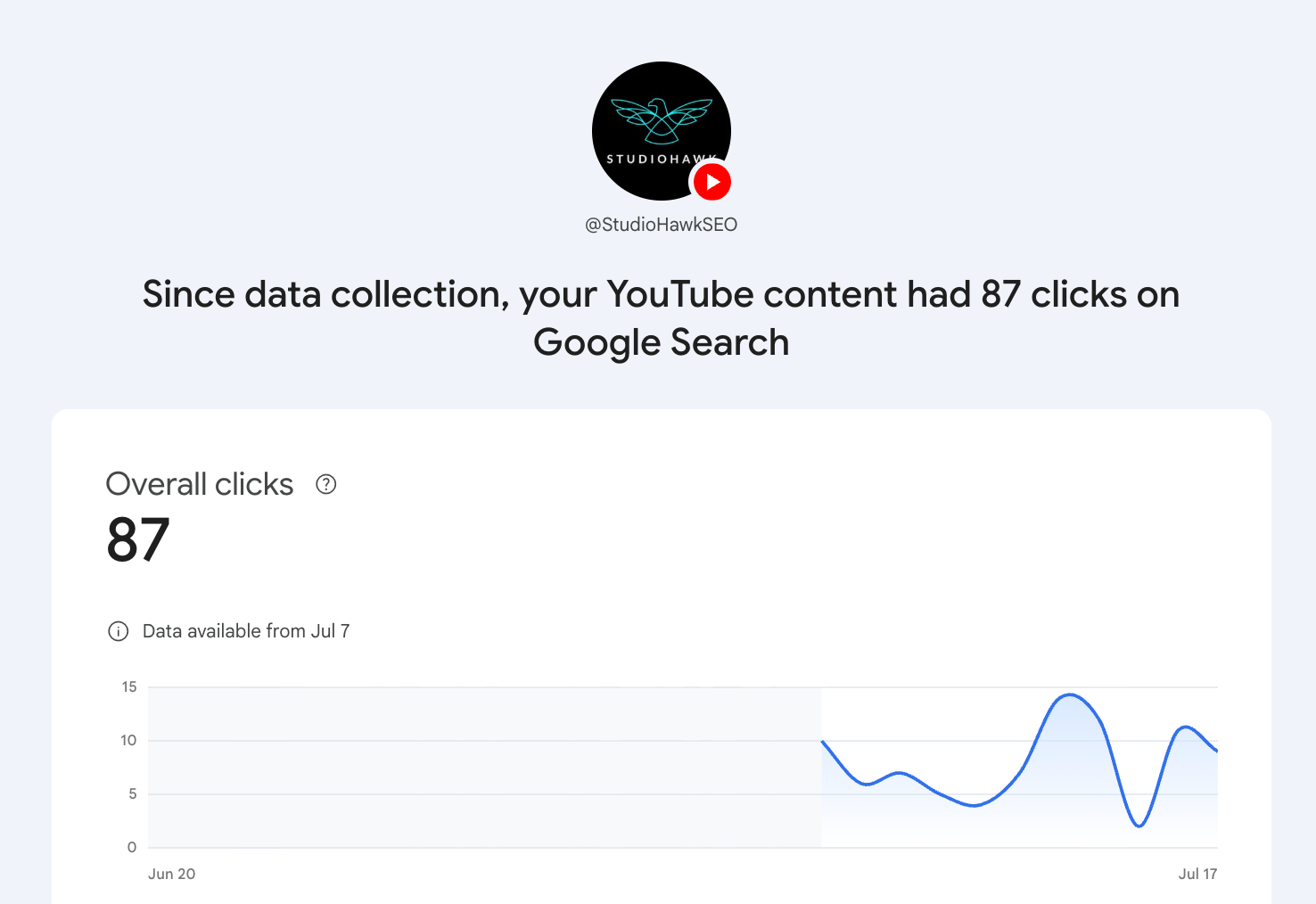
Google's introduction of Platform Properties in Search Console bridges the gap between search engine optimization (SEO) and social media marketing. This feature allows businesses to track YouTube, TikTok, and Instagram search performance directly, exposing massive, previously invisible search traffic. To dominate modern search and earn citations in AI engines, businesses must build a unified social topical map.

OpenAI is experimenting with a new ChatGPT advertising format that replaces traditional destination websites with conversational AI agents tailored to each business, potentially revolutionizing the way businesses interact with customers online.

Balancing AI-driven efficiency with human expertise is key to SEO success, as Google increasingly rewards original thinking and distinctive perspectives. AI can streamline tasks, but relying on it alone can lead to poor-quality content and decreased visibility. By using AI to support strategy and keeping human expertise at the center, businesses can create high-quality content that meets Google's expectations and improves their online presence.
As buyers trade traditional Google searches for conversational tools like ChatGPT and Perplexity, businesses face a new optimization challenge. Search experts at Bodhium Labs warn that mass-producing low-quality AI content will only damage existing search rankings, offering practical strategies to earn AI citations while protecting hard-won Google SEO authority.

Discover how SEO can optimize your acquisition system, reduce blended customer acquisition costs, and drive business efficiency. Learn the importance of measuring customer acquisition costs (CAC), the challenges of attribution, and how SEO can influence other channels. With the rise of AI-powered search engines, understanding CAC is crucial for businesses to stay ahead of the competition.

Understanding the historical context of your Google Business Profile address is vital for maintaining your local rankings. Changes to your address can have significant effects on visibility, particularly for service-based businesses where address accuracy is a key component of strategy.

As AI search continues to rise, businesses are being asked if their clients appear in AI-driven search platforms like ChatGPT. In this article, we'll explore the demand for AI search visibility, the challenges agencies face in measuring it, and what's trackable today.

The European Commission has fined Google €890 million under the Digital Markets Act (DMA) for its anti-competitive practices with Google Search and Google Play. This move aims to promote fairness in search results and app stores, impacting local businesses' online strategies. Local businesses should adapt to the changes and ensure they are not unfairly competing with Google's own services.

Yelp's partnership with OpenAI is set to revolutionize local search by integrating Yelp content into ChatGPT searches, making it easier for users to find and interact with local businesses. This integration will give users access to real-time local recommendation data, increasing the competition for online visibility. As a business owner, it's crucial to stay ahead of the curve and optimize your online presence to take advantage of this new development.

Google has rolled out its 3.5 Flash-Lite AI model in Google Search, a significant upgrade that enhances search experiences and agentic workflows. This model is faster and more cost-effective, delivering 350 output tokens per second and outperforming prior Flash-Lite generations. Businesses should optimize their online presence for AI search to stay competitive.

A recent study by João da Silva and a VisibilityAI researcher reveals that framing your brand's category correctly can significantly impact its visibility on AI-powered search engines like ChatGPT and Google AI Overviews. The study tested 12 athletic apparel brands in the U.K. under two different category framings: athleisure and athletic footwear. By optimizing category framing, businesses can increase their chances of being recommended by AI search engines.

Google is integrating Local Services Ads into the Google Ads interface, replacing the standalone LSA dashboard with a new Performance Max campaign designed specifically for local service businesses. This change will simplify campaign management and introduce tighter integration with Google Business Profiles.
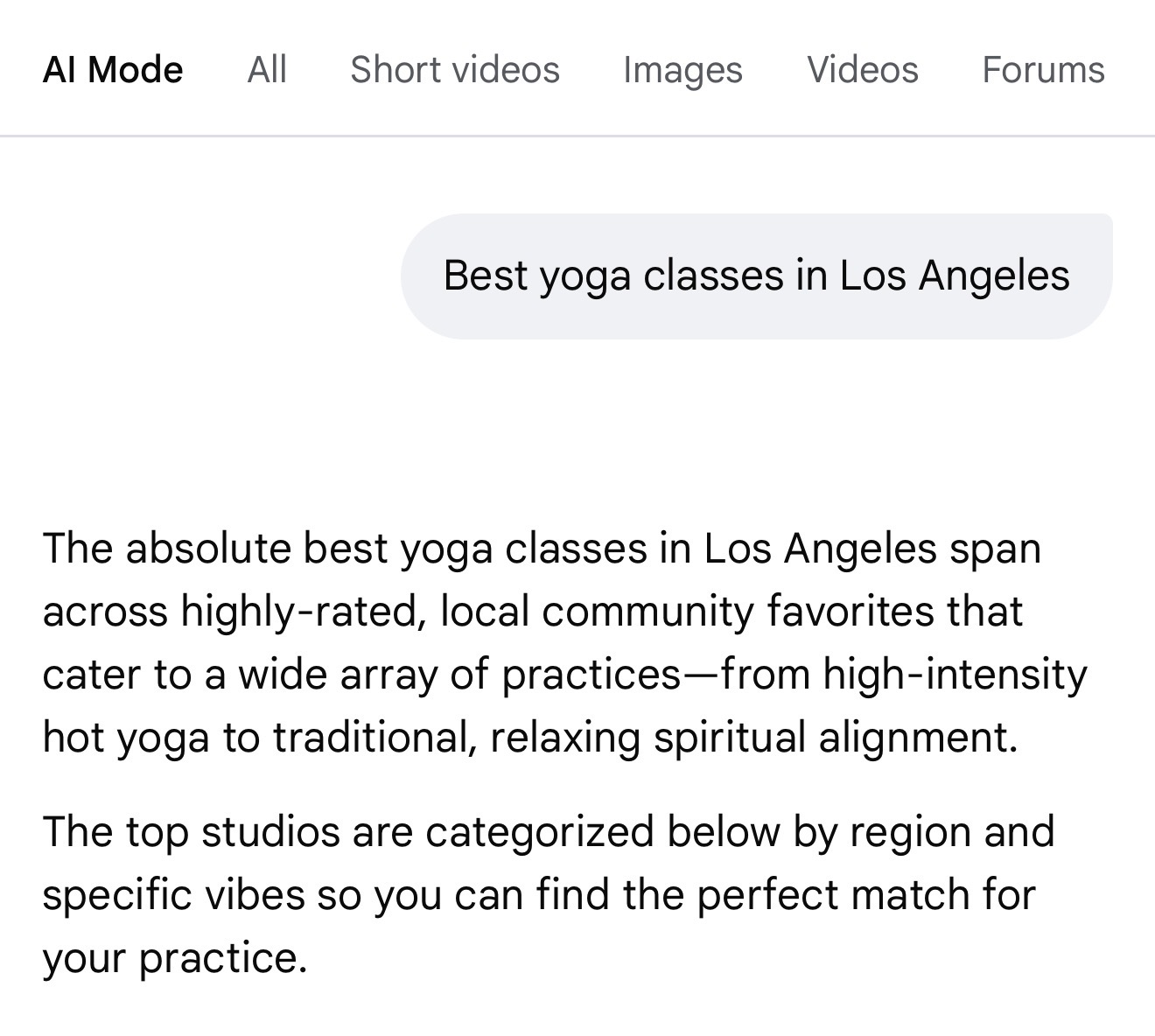
The way search engines deliver results has changed with the introduction of AI-driven personalized search, where answers are tailored to individual users. This shift from universal rankings to individual recommendations requires businesses to adapt their SEO strategies. Understanding how AI personalizes search experiences is crucial for businesses to get discovered and cited by AI tools.

Google's AI Search features are sending billions of clicks to websites every week, debunking claims that Search is dying. This update has significant implications for local businesses trying to get discovered and cited by AI search. As Google continues to emphasize the importance of sending clicks to the open web, businesses must adapt to the changing landscape of AI search and optimize their online presence accordingly.
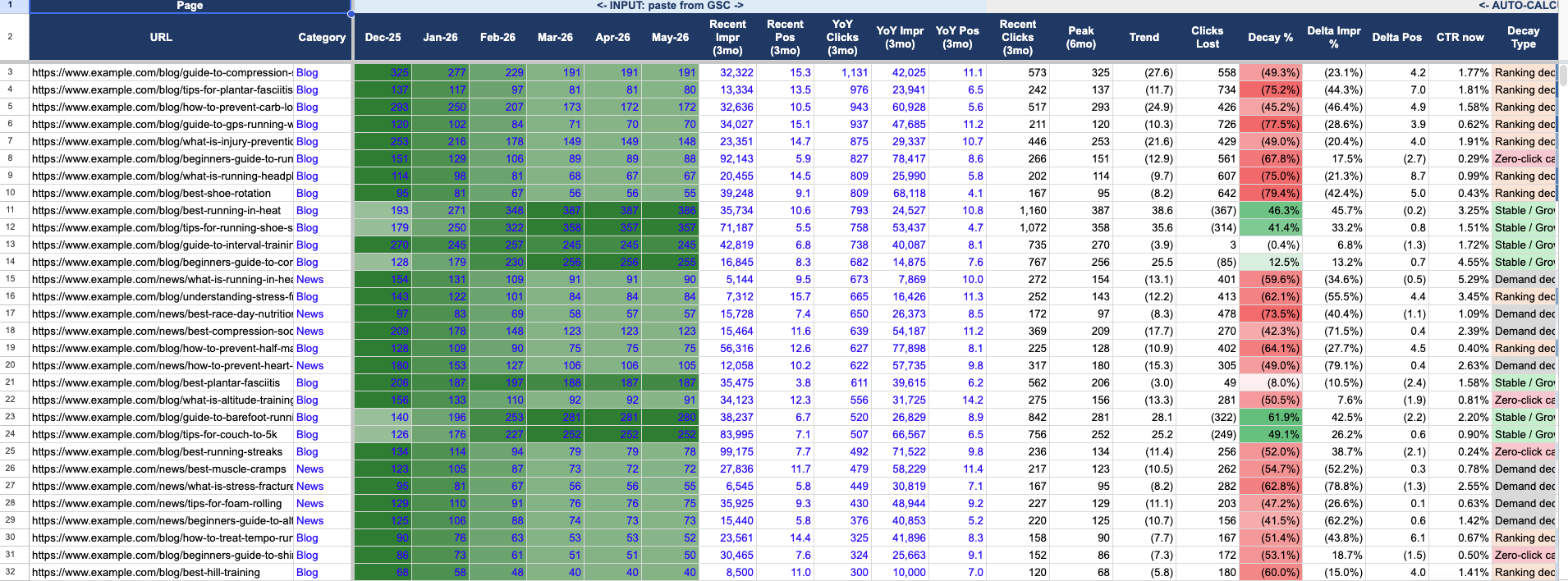
Content decay is a sustained loss of organic clicks and impressions over time, and it's not just one problem, but four. Identifying the type of decay is crucial to fixing it. With the rise of AI Overviews, the traditional content decay playbook is no longer enough. Businesses must adapt to the changing search landscape to stay visible.

Google's AI Mode increased citations to google.com by 8.4x in two months, making it the No. 2 most-cited domain. This shift impacts local and product searches, affecting businesses' visibility and first impressions.
Get the top AI-search and GEO stories in your inbox once a day, no spam.