
Yelp's partnership with OpenAI is set to revolutionize local search by integrating Yelp content into ChatGPT searches, making it easier for users to find and interact with local businesses. This integration will give users access to real-time local recommendation data, increasing the competition for online visibility. As a business owner, it's crucial to stay ahead of the curve and optimize your online presence to take advantage of this new development.

Google's AI Max technology has left beta, unlocking billions of new monetizable searches for advertisers and offering a clearer path to expand search revenue.

A recent Semrush analysis reveals that only 15.2% of ChatGPT topic categories have a clear brand owner, challenging the effectiveness of SEO alone in determining topic ownership.

Google is integrating Local Services Ads into the Google Ads interface, replacing the standalone LSA dashboard with a new Performance Max campaign designed specifically for local service businesses. This change will simplify campaign management and introduce tighter integration with Google Business Profiles.
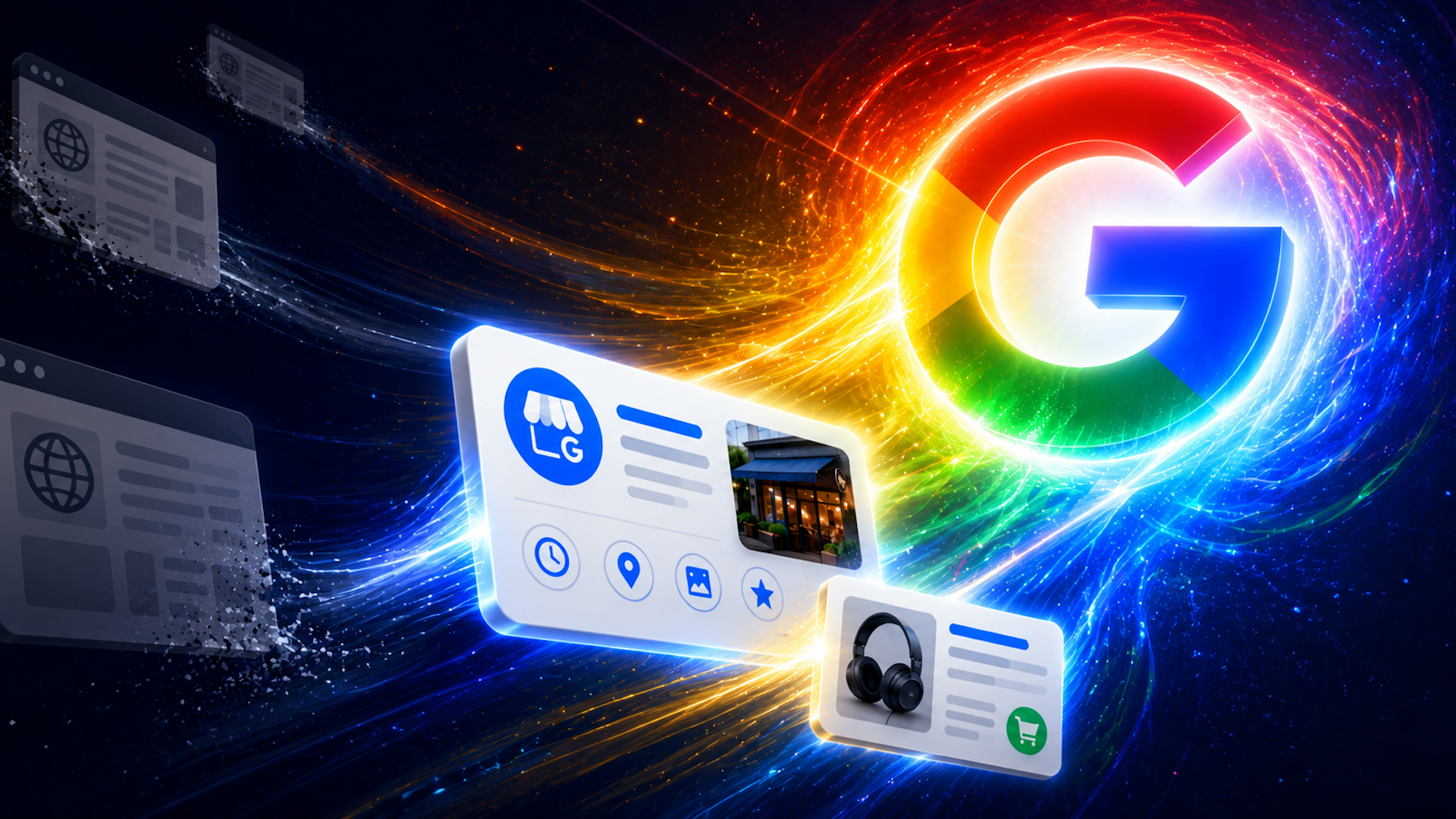
Google's AI Mode increased citations to google.com by 8.4x in two months, making it the No. 2 most-cited domain. This shift impacts local and product searches, affecting businesses' visibility and first impressions.

OpenAI's ambitious ad revenue forecast for ChatGPT may fall short by $90 billion, according to a recent report from Emarketer. This has significant implications for businesses looking to tap into the growing AI search market.

Discover why SEO and PPC strategies are evolving to adapt to the changing AI-driven search landscape, and what this means for local businesses trying to get found online.

Google is rolling out household income exclusions for Performance Max campaigns, giving advertisers a new level of audience control. This feature allows advertisers to exclude specific household income segments directly at the campaign level, potentially improving campaign delivery and ROI.
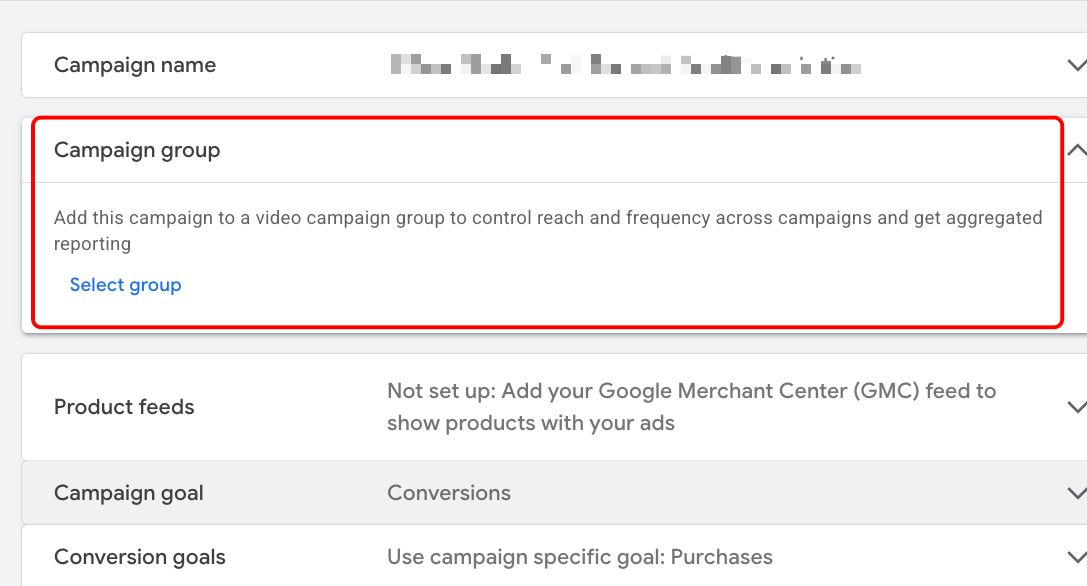
Google Ads introduces video campaign groups to simplify YouTube ad management, improve audience reach, and reduce overexposure. This feature allows advertisers to group multiple campaigns under a shared reach or frequency goal, streamlining campaign management and improving media efficiency.

Google expands Demand Gen capabilities by allowing advertisers to use business data feeds, making it easier to serve dynamic ads without relying on Google Merchant Center. This update opens up dynamic advertising to more verticals, including travel, real estate, and automotive industries.

Discover why ad platforms report more conversions than your business records, and how to understand their counting methods to make data-driven decisions.
Get the top AI-search and GEO stories in your inbox once a day, no spam.