

A new report highlights six perspectives on demand generation in AI search, revealing a shift away from measuring marketing success through website traffic alone. This change is driven by the rise of AI-driven search, where most searches end without a click. Businesses must adapt to this new landscape to remain visible and competitive.

A recent experiment revealed that AI models like ChatGPT, Claude, and Gemini provide different strategic recommendations based on the context provided. This highlights the importance of understanding the nuances of AI decision-making for businesses. By considering the context and objectives of a business, AI models can offer more tailored and effective guidance.
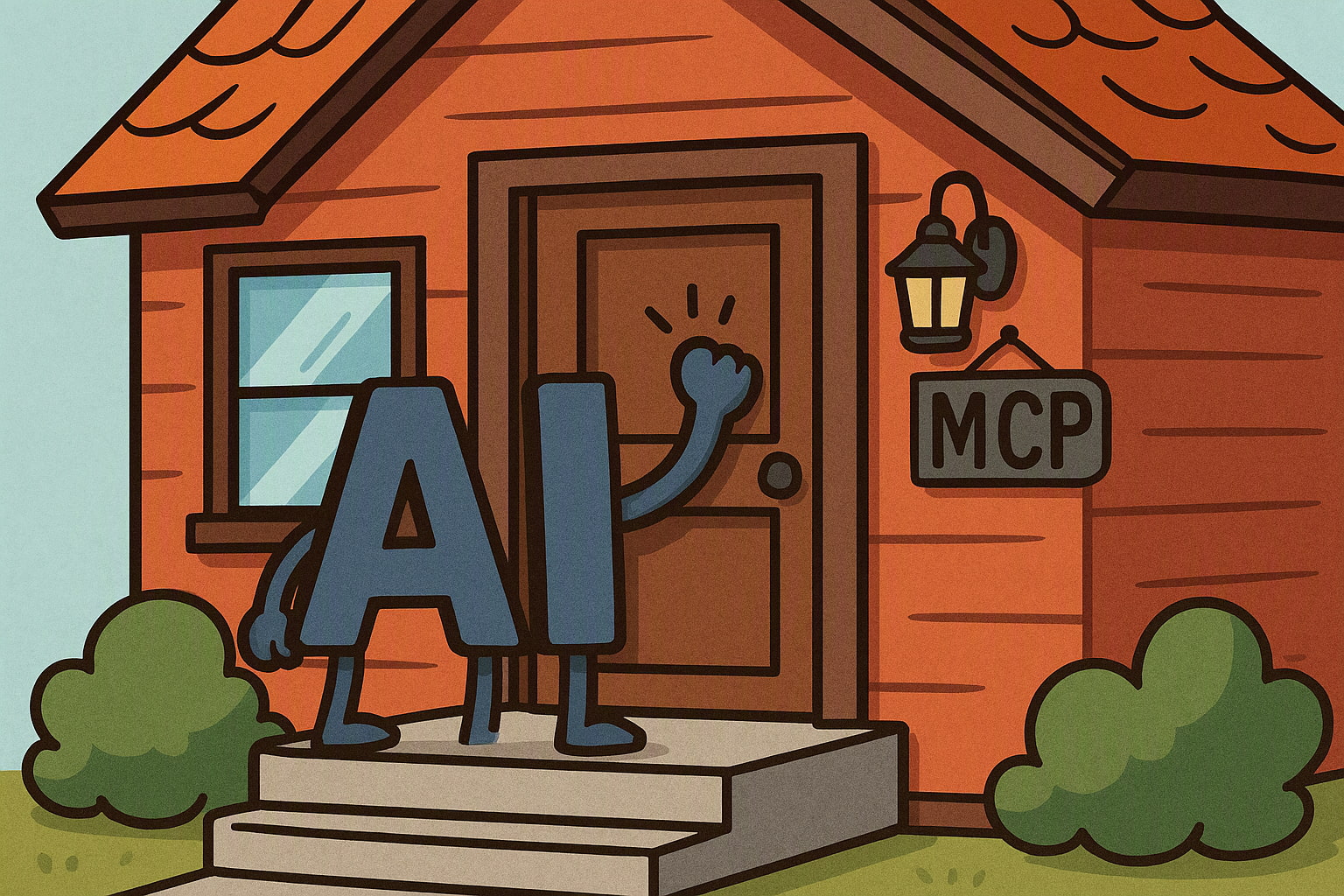
As AI tools like ChatGPT and Claude integrate into marketing systems, concerns are growing that traditional CRMs may become obsolete. However, these AI assistants function as reasoning engines that depend on structured business data to deliver accurate recommendations, emphasizing the continued importance of a solid CRM foundation for local businesses to enhance their visibility in AI search results.

Google's limited test of a sign-in feature could significantly impact local businesses' online visibility, as users may be discouraged from accessing more search results, leading to a decrease in traffic to websites that rely on organic search.
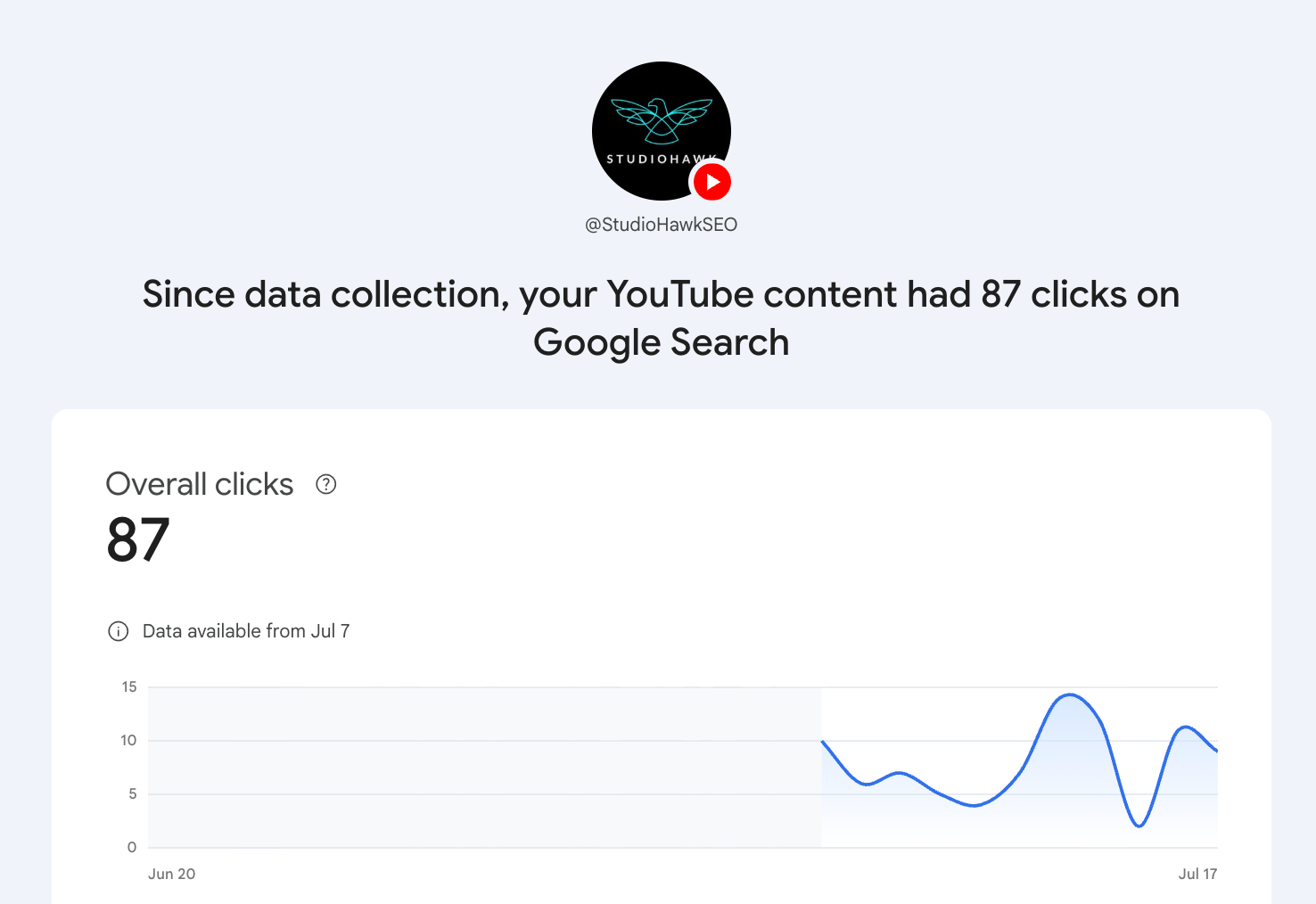
Google's introduction of Platform Properties in Search Console bridges the gap between search engine optimization (SEO) and social media marketing. This feature allows businesses to track YouTube, TikTok, and Instagram search performance directly, exposing massive, previously invisible search traffic. To dominate modern search and earn citations in AI engines, businesses must build a unified social topical map.

OpenAI is experimenting with a new ChatGPT advertising format that replaces traditional destination websites with conversational AI agents tailored to each business, potentially revolutionizing the way businesses interact with customers online.
As buyers trade traditional Google searches for conversational tools like ChatGPT and Perplexity, businesses face a new optimization challenge. Search experts at Bodhium Labs warn that mass-producing low-quality AI content will only damage existing search rankings, offering practical strategies to earn AI citations while protecting hard-won Google SEO authority.

Stay ahead of the AI search curve: Discover the latest developments in AI search and how they impact your business's visibility online.

A new study from Writesonic reveals that roughly 40% of AI search citations fail to mention the source brand in their generated text. This phenomenon—dubbed 'ghost citations'—varies significantly across platforms, affecting engines like Perplexity, Google AI Mode, and ChatGPT. Consequently, tracking citation counts alone no longer provides business owners with an accurate picture of actual brand visibility.
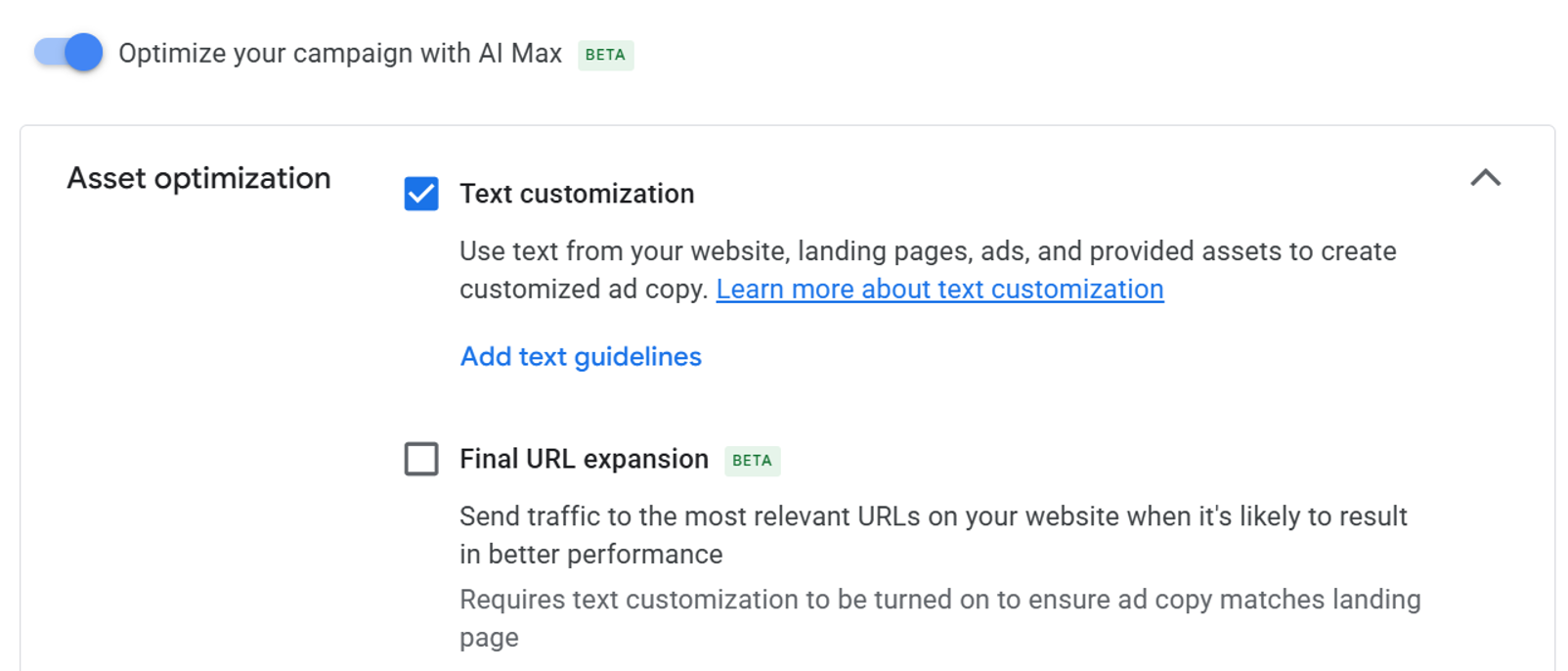
Google Ads AI Max can generate customized ad copy across individual ad groups, reducing the manual workload on your PPC team. However, testing shows that auto-generated copy requires strict guardrails to prevent off-brand messaging or false promotional claims. Here is how to apply messaging restrictions so you can scale ad performance while protecting your brand.
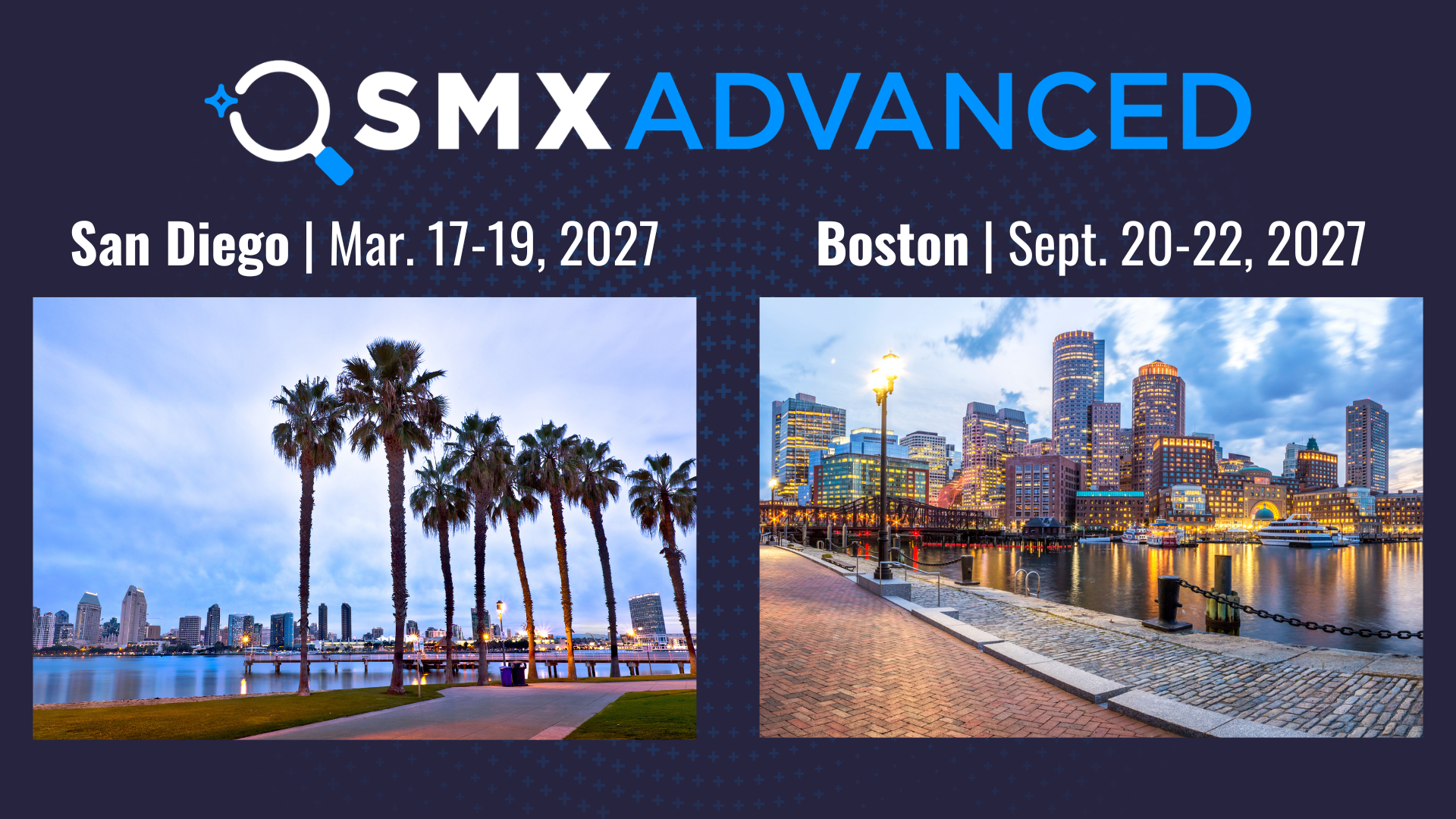
For the first time in its 20-year history, SMX Advanced is expanding to a two-event schedule in 2027. The premier search marketing conference will host a West Coast edition in San Diego this March and an East Coast gathering in Boston come September, giving senior search practitioners easier access to advanced tactics and networking.

AI tools such as ChatGPT, Gemini, and Google AI Overviews increasingly rely on creator content and third-party media to answer subjective search queries. With research showing that 82% of AI citations point to external sources rather than brand websites, managing influencer partnerships and customer review channels has become essential for modern search visibility.

Google has updated its review snippet structured data guidelines to prohibit fake or undisclosed incentivized reviews, aiming to improve the accuracy and trustworthiness of review snippets in Google Search. Business owners must ensure their review snippets comply with the new guidelines to maintain eligibility for rich results and Google Knowledge Panels. This is crucial for maintaining a positive online reputation and improving online visibility.

Learn how to identify and fix common mistakes that can undermine your SEO experiments, ensuring reliable and actionable results. Discover the importance of choosing the right testing methodology and avoiding flaws in your testing framework. Improve your SEO testing programs with a 70% average success rate.
The way search engines deliver results has changed with the introduction of AI-driven personalized search, where answers are tailored to individual users. This shift from universal rankings to individual recommendations requires businesses to adapt their SEO strategies. Understanding how AI personalizes search experiences is crucial for businesses to get discovered and cited by AI tools.

Discover why SEO and PPC strategies are evolving to adapt to the changing AI-driven search landscape, and what this means for local businesses trying to get found online.

Rising paid search costs are not just due to increased competition, but also a result of pre-auction dynamics, including AI Overviews, shrinking organic click volume, and stronger brands competing for commercial traffic.
Get the top AI-search and GEO stories in your inbox once a day, no spam.