

A new report highlights six perspectives on demand generation in AI search, revealing a shift away from measuring marketing success through website traffic alone. This change is driven by the rise of AI-driven search, where most searches end without a click. Businesses must adapt to this new landscape to remain visible and competitive.

Modern searchers rarely follow a straight path to conversion, making cross-channel visibility essential. A 26-week case study published in Search Engine Land demonstrates how aligning SEO and PPC efforts eliminates friction points and builds brand authority across every buyer touchpoint.
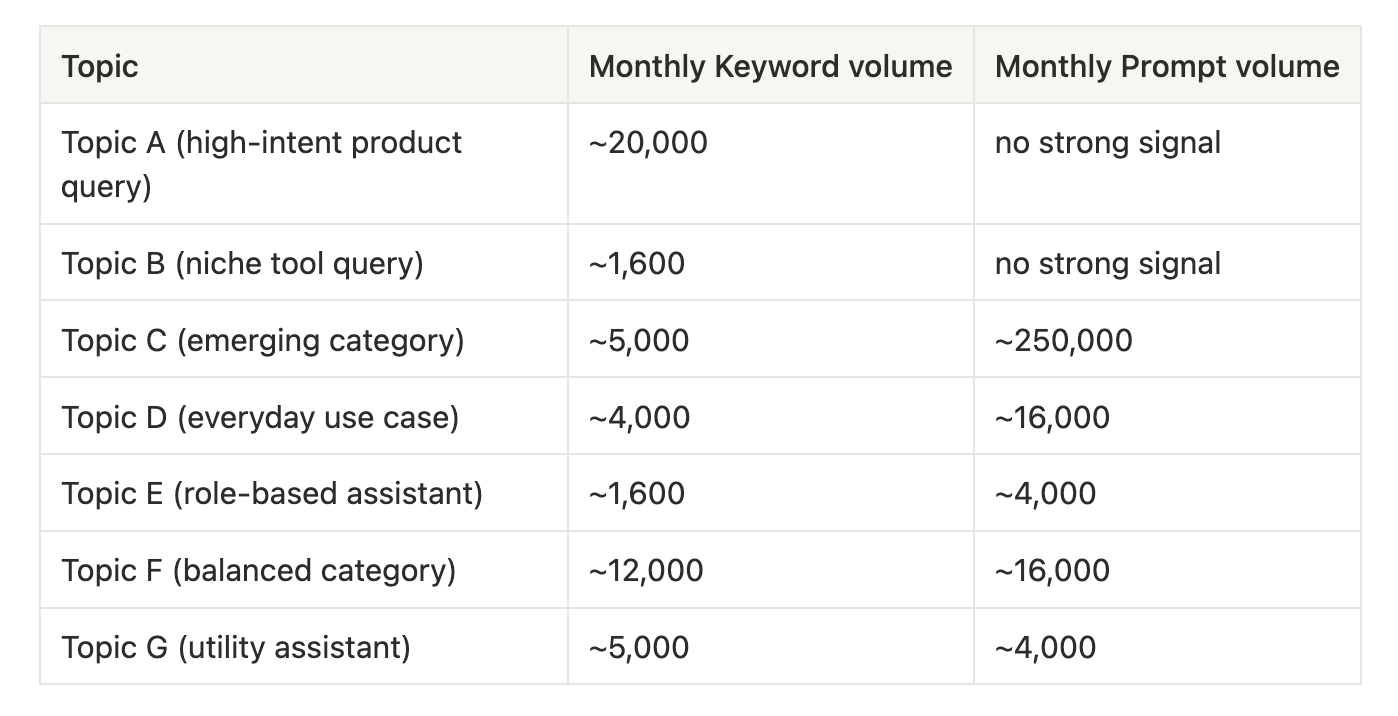
A game-changing approach to SEO strategy combines keyword research with prompt research to uncover demand signals that traditional keyword research may miss.
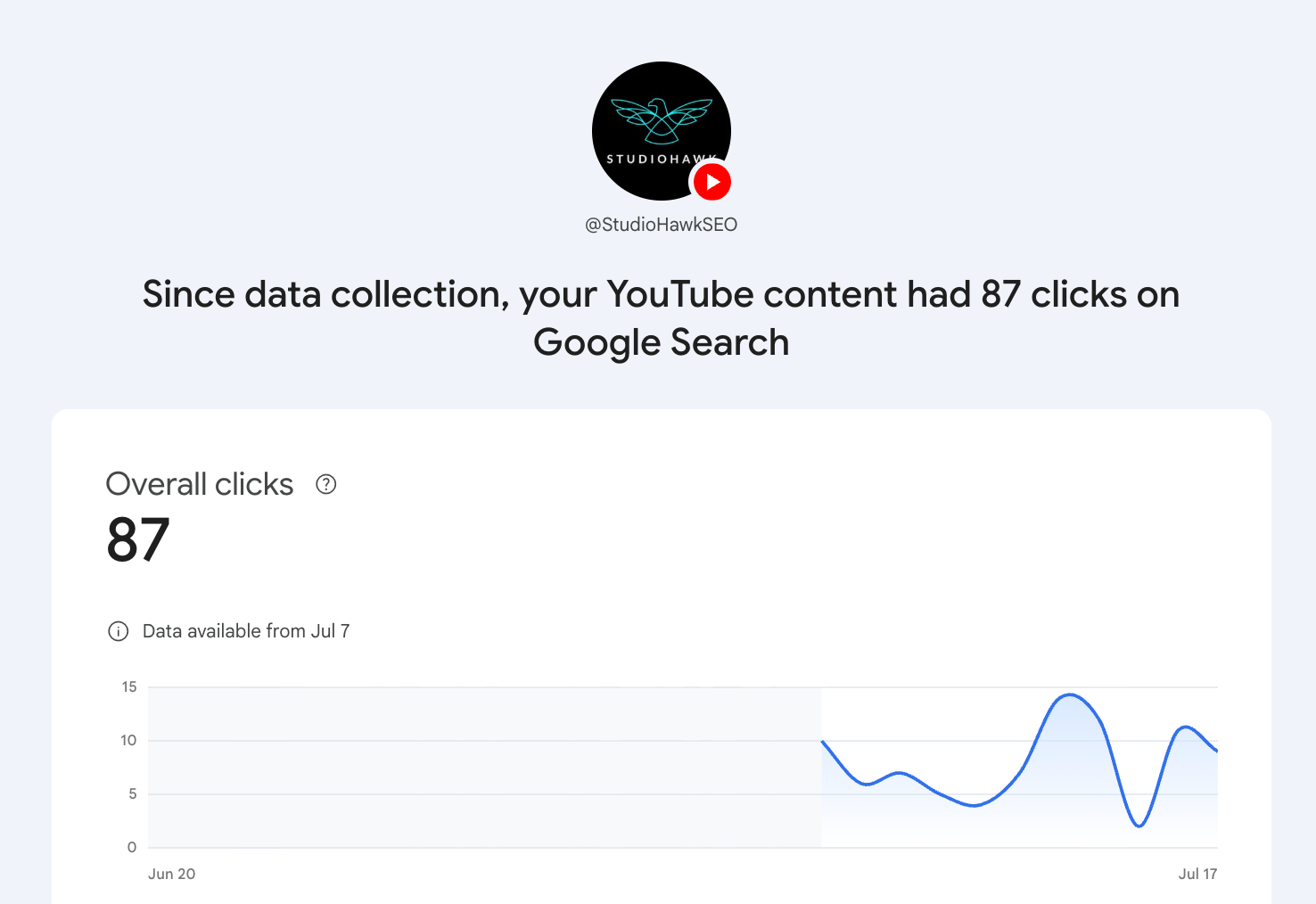
Google's introduction of Platform Properties in Search Console bridges the gap between search engine optimization (SEO) and social media marketing. This feature allows businesses to track YouTube, TikTok, and Instagram search performance directly, exposing massive, previously invisible search traffic. To dominate modern search and earn citations in AI engines, businesses must build a unified social topical map.
As buyers trade traditional Google searches for conversational tools like ChatGPT and Perplexity, businesses face a new optimization challenge. Search experts at Bodhium Labs warn that mass-producing low-quality AI content will only damage existing search rankings, offering practical strategies to earn AI citations while protecting hard-won Google SEO authority.

A new study from Writesonic reveals that roughly 40% of AI search citations fail to mention the source brand in their generated text. This phenomenon—dubbed 'ghost citations'—varies significantly across platforms, affecting engines like Perplexity, Google AI Mode, and ChatGPT. Consequently, tracking citation counts alone no longer provides business owners with an accurate picture of actual brand visibility.

Explore how AI systems interpret your business and learn effective strategies to enhance your online visibility. This article provides actionable insights on auditing your AI entity footprint and optimizing your presence for AI-driven search engines.

The way search engines deliver results has changed with the introduction of AI-driven personalized search, where answers are tailored to individual users. This shift from universal rankings to individual recommendations requires businesses to adapt their SEO strategies. Understanding how AI personalizes search experiences is crucial for businesses to get discovered and cited by AI tools.

Google's AI Search features are sending billions of clicks to websites every week, debunking claims that Search is dying. This update has significant implications for local businesses trying to get discovered and cited by AI search. As Google continues to emphasize the importance of sending clicks to the open web, businesses must adapt to the changing landscape of AI search and optimize their online presence accordingly.

Google has rolled out a major update to its AI Overviews feature, now displaying top stories and news updates for relevant searches. This change is expected to increase clicks to news publishers and improve their visibility in AI search results.
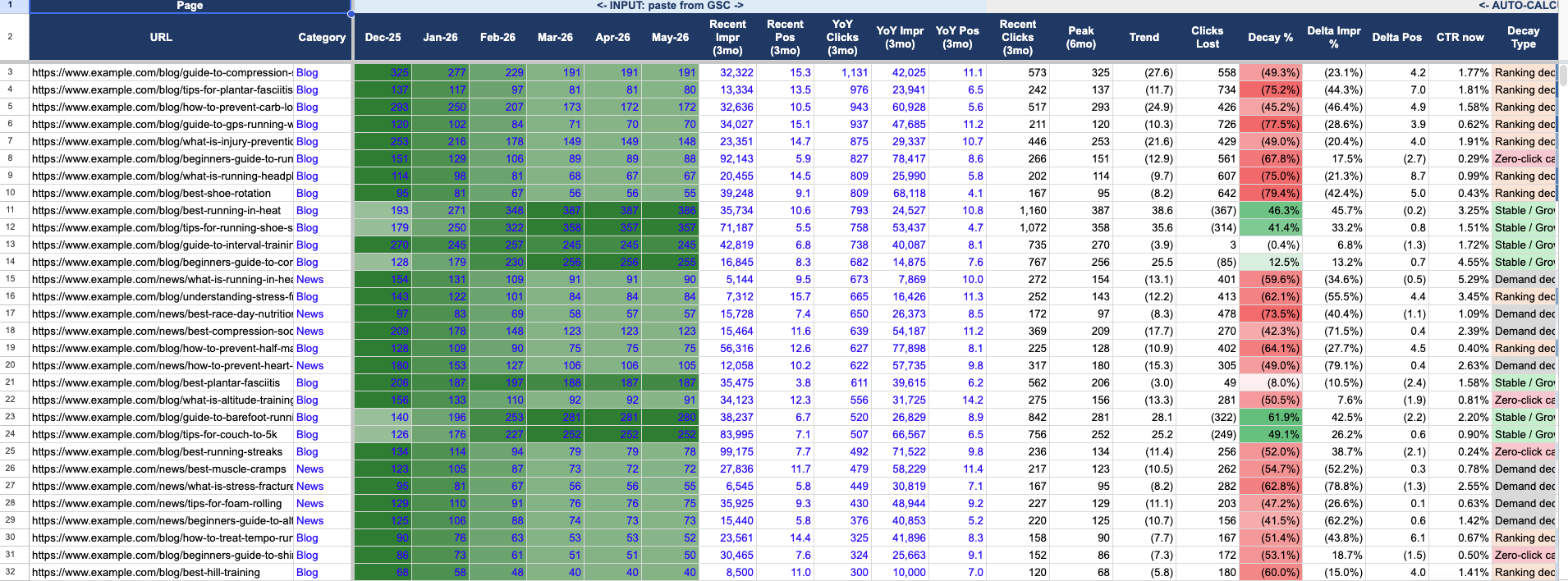
Content decay is a sustained loss of organic clicks and impressions over time, and it's not just one problem, but four. Identifying the type of decay is crucial to fixing it. With the rise of AI Overviews, the traditional content decay playbook is no longer enough. Businesses must adapt to the changing search landscape to stay visible.
Get the top AI-search and GEO stories in your inbox once a day, no spam.