

A new report highlights six perspectives on demand generation in AI search, revealing a shift away from measuring marketing success through website traffic alone. This change is driven by the rise of AI-driven search, where most searches end without a click. Businesses must adapt to this new landscape to remain visible and competitive.

Google's recent leadership changes, including the departure of Jeff Dean and a role change for Demis Hassabis, may significantly impact the company's AI search, Gemini, and Google Search. Business owners and marketers need to stay informed about these changes and their potential effects.
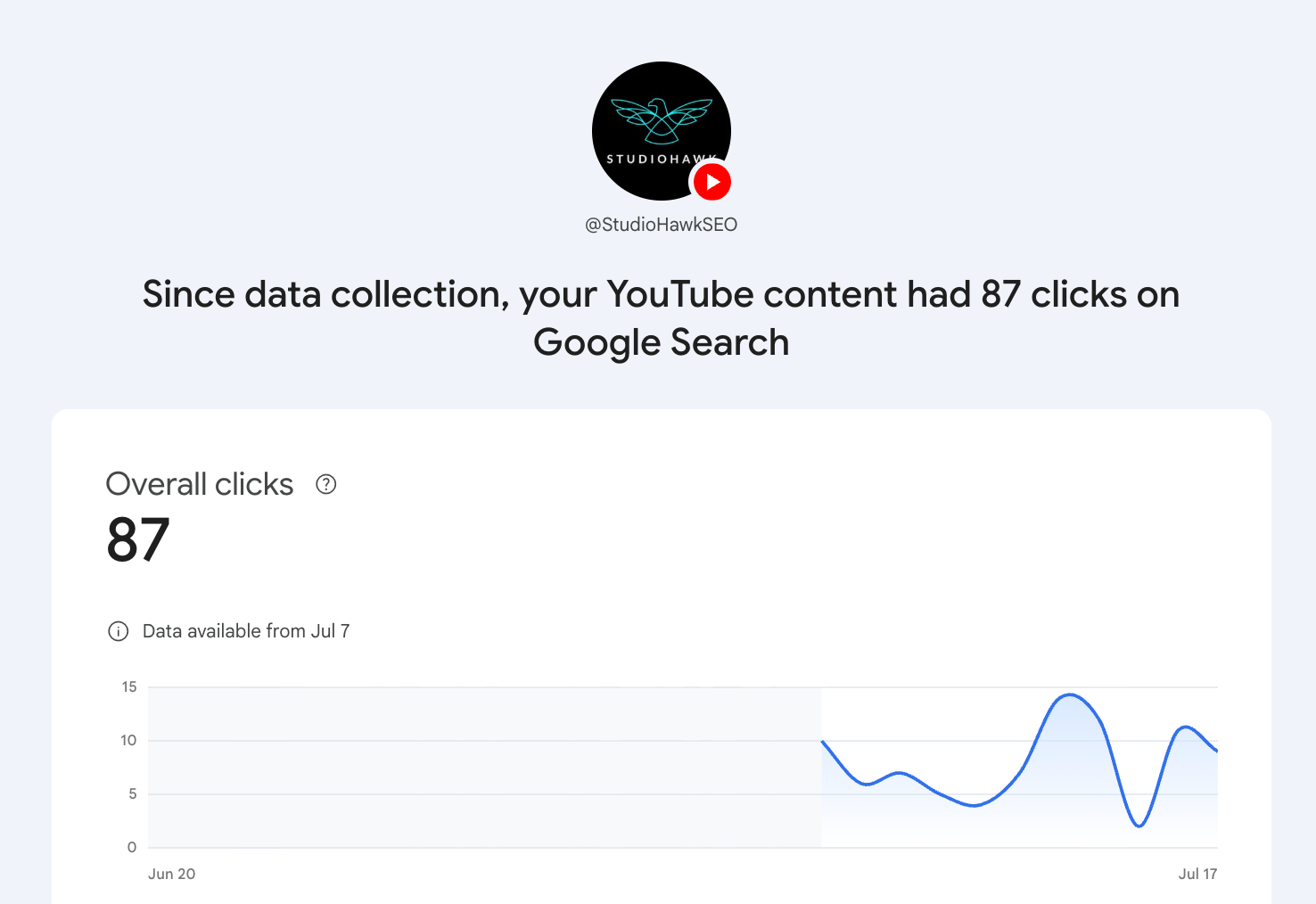
Google's introduction of Platform Properties in Search Console bridges the gap between search engine optimization (SEO) and social media marketing. This feature allows businesses to track YouTube, TikTok, and Instagram search performance directly, exposing massive, previously invisible search traffic. To dominate modern search and earn citations in AI engines, businesses must build a unified social topical map.
As buyers trade traditional Google searches for conversational tools like ChatGPT and Perplexity, businesses face a new optimization challenge. Search experts at Bodhium Labs warn that mass-producing low-quality AI content will only damage existing search rankings, offering practical strategies to earn AI citations while protecting hard-won Google SEO authority.

Stay ahead of the AI search curve: Discover the latest developments in AI search and how they impact your business's visibility online.

A new study from Writesonic reveals that roughly 40% of AI search citations fail to mention the source brand in their generated text. This phenomenon—dubbed 'ghost citations'—varies significantly across platforms, affecting engines like Perplexity, Google AI Mode, and ChatGPT. Consequently, tracking citation counts alone no longer provides business owners with an accurate picture of actual brand visibility.

AI tools such as ChatGPT, Gemini, and Google AI Overviews increasingly rely on creator content and third-party media to answer subjective search queries. With research showing that 82% of AI citations point to external sources rather than brand websites, managing influencer partnerships and customer review channels has become essential for modern search visibility.

Explore how AI systems interpret your business and learn effective strategies to enhance your online visibility. This article provides actionable insights on auditing your AI entity footprint and optimizing your presence for AI-driven search engines.

As AI search continues to rise, businesses are being asked if their clients appear in AI-driven search platforms like ChatGPT. In this article, we'll explore the demand for AI search visibility, the challenges agencies face in measuring it, and what's trackable today.

Google has rolled out its 3.5 Flash-Lite AI model in Google Search, a significant upgrade that enhances search experiences and agentic workflows. This model is faster and more cost-effective, delivering 350 output tokens per second and outperforming prior Flash-Lite generations. Businesses should optimize their online presence for AI search to stay competitive.

A recent study by João da Silva and a VisibilityAI researcher reveals that framing your brand's category correctly can significantly impact its visibility on AI-powered search engines like ChatGPT and Google AI Overviews. The study tested 12 athletic apparel brands in the U.K. under two different category framings: athleisure and athletic footwear. By optimizing category framing, businesses can increase their chances of being recommended by AI search engines.
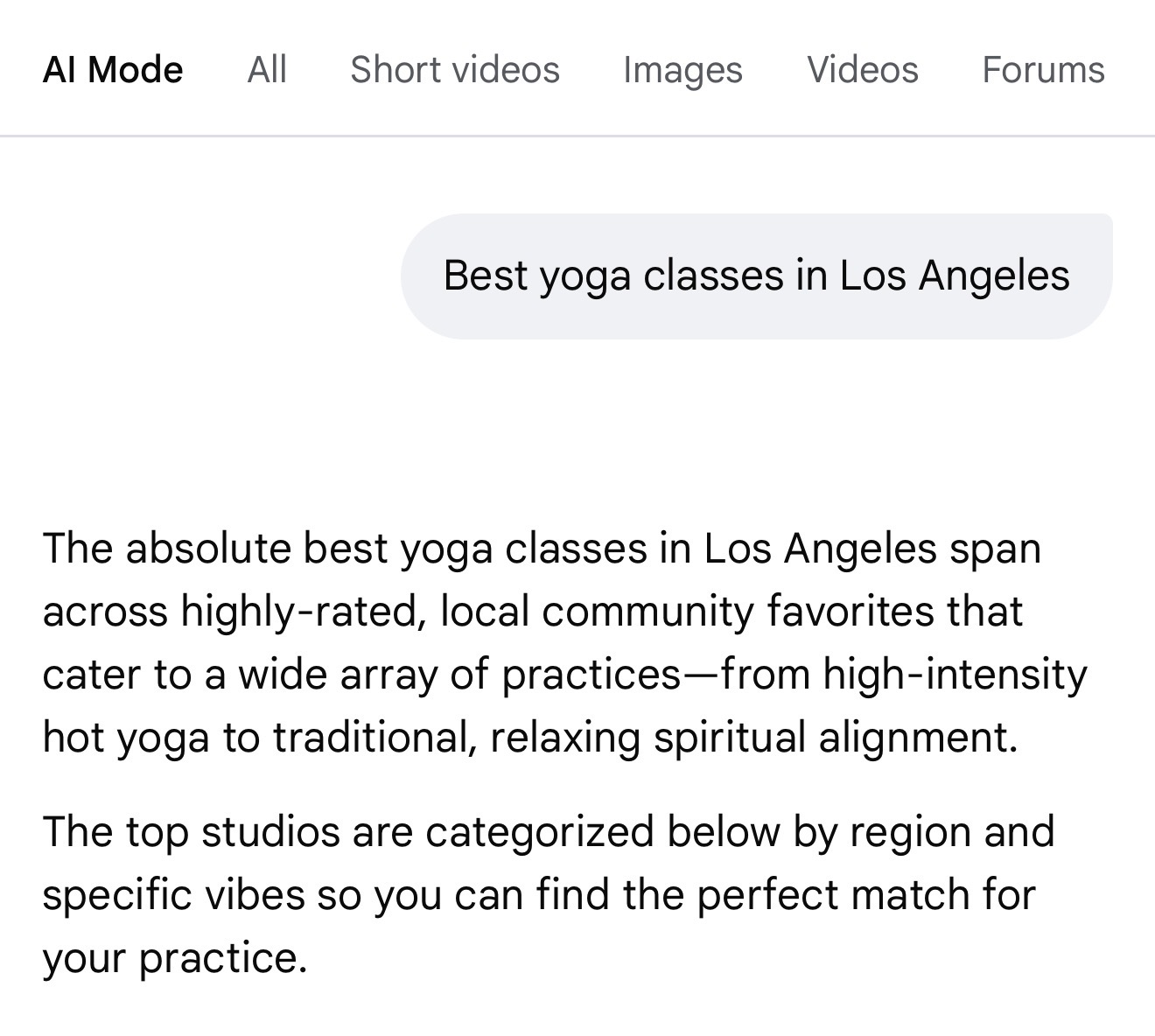
The way search engines deliver results has changed with the introduction of AI-driven personalized search, where answers are tailored to individual users. This shift from universal rankings to individual recommendations requires businesses to adapt their SEO strategies. Understanding how AI personalizes search experiences is crucial for businesses to get discovered and cited by AI tools.

Google's AI Search features are sending billions of clicks to websites every week, debunking claims that Search is dying. This update has significant implications for local businesses trying to get discovered and cited by AI search. As Google continues to emphasize the importance of sending clicks to the open web, businesses must adapt to the changing landscape of AI search and optimize their online presence accordingly.
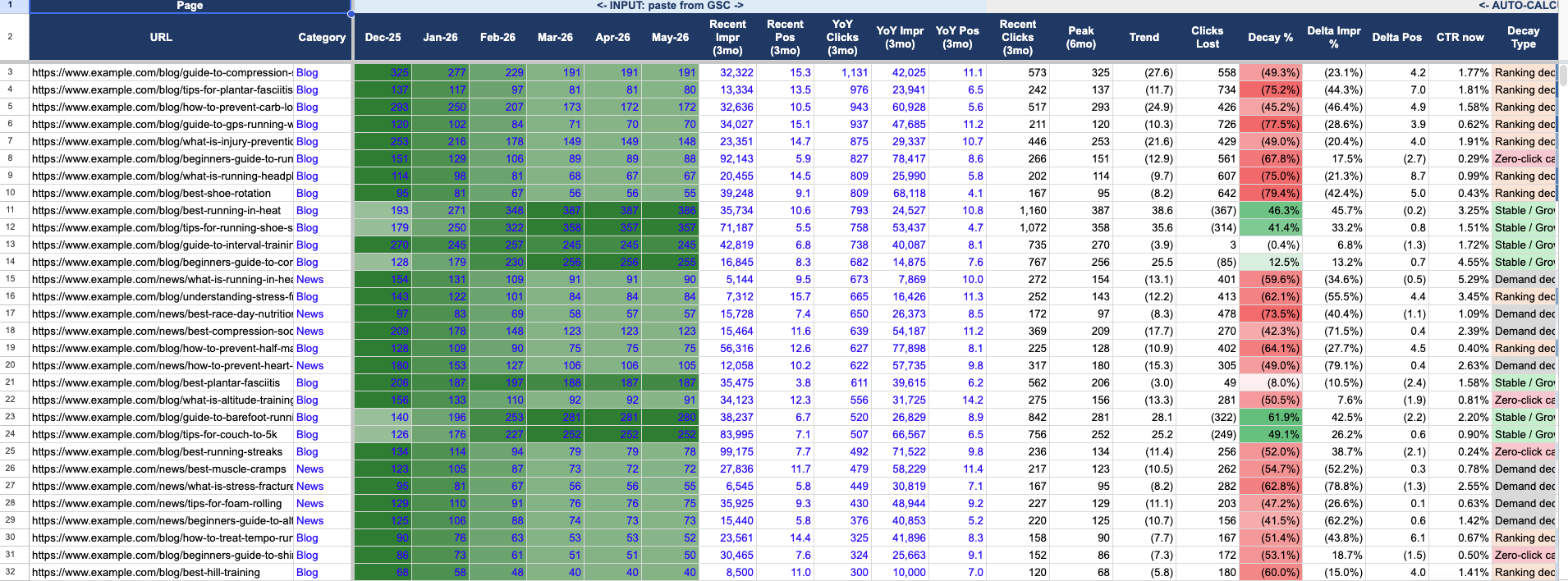
Content decay is a sustained loss of organic clicks and impressions over time, and it's not just one problem, but four. Identifying the type of decay is crucial to fixing it. With the rise of AI Overviews, the traditional content decay playbook is no longer enough. Businesses must adapt to the changing search landscape to stay visible.
Google's AI Mode increased citations to google.com by 8.4x in two months, making it the No. 2 most-cited domain. This shift impacts local and product searches, affecting businesses' visibility and first impressions.

OpenAI's ambitious ad revenue forecast for ChatGPT may fall short by $90 billion, according to a recent report from Emarketer. This has significant implications for businesses looking to tap into the growing AI search market.
Get the top AI-search and GEO stories in your inbox once a day, no spam.