
Home / News / Tactical AI Search Measurement: How Small Businesses Can Track Impact
Tactical AI Search Measurement: How Small Businesses Can Track Impact
Local business owners and marketers learn practical ways to overcome AI‑search measurement hurdles, from fixing citations to tracking AI‑driven traffic, and see how VisibilityAI streamlines reporting.
Key Highlights
- ✓AI Search operates as a black box, complicating traditional click‑through analysis
- ✓Attribution breaks when users click links after AI answers
- ✓Structured data and consistent citations are critical for AI relevance
- ✓New tools like UTM‑tagged landing pages and AI‑specific dashboards enable measurement
What Happened
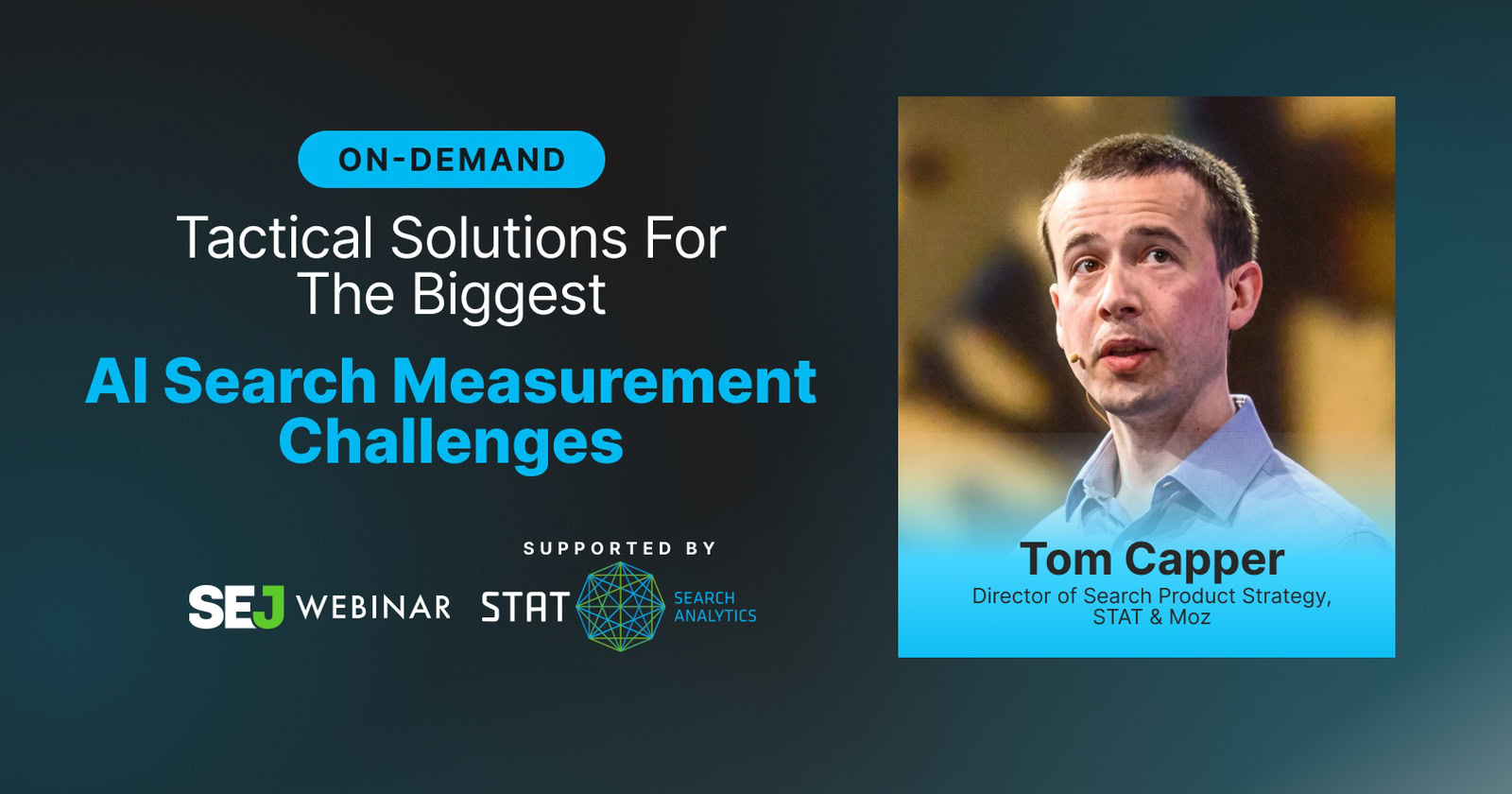
In a recent Search Engine Journal recap, SEO veteran Loren Baker and the SEJ team unpacked the toughest obstacles businesses encounter when measuring the influence of AI‑powered search tools like ChatGPT, Gemini, and Google AI. They highlighted that conventional analytics models fall short because AI assistants blend indexed pages, proprietary knowledge bases, and real‑time intent modeling.
Key Details
- AI Search is a Black Box – AI assistants draw from a mix of sources, making it difficult to identify the exact piece of content that prompted a click.
- Attribution Breaks – A user may type a query, receive an answer, and then follow a link. Pinpointing whether the AI response or the organic result drove the conversion becomes guesswork.
- Citations & Schema Matter – Structured data and accurate local citations remain the strongest signals for AI relevance. Inconsistent NAP information can push your business out of the AI spotlight.
- New Tools & Workarounds – SEJ suggests using UTM parameters, dedicated AI landing pages, and third‑party dashboards built for AI search analytics.
Common Pitfalls
1. Assuming Traditional SERP Metrics Apply – Click‑through rates from a standard SERP differ from traffic generated by an AI answer box.
2. Ignoring Structured Data – Without schema markup, AI assistants lack a reliable source to surface your business.
3. Overlooking Review Signals – AI models give recent reviews significant weight; stale or missing reviews hurt visibility.
4. Failing to Track Conversions – Without UTM codes attached to AI landing pages, you cannot attribute leads back to the AI query.
What It Means For Your Business
- Audit Your Structured Data – Ensure your NAP details match across Google My Business, Yelp, TripAdvisor, and any other local listings. Add schema markup for products, services, and reviews on your site.
- Create AI‑Friendly Landing Pages – Develop concise FAQ‑style pages that answer the most common local questions. These pages are prime candidates for AI snippets and can drive direct traffic.
- Leverage VisibilityAI – Our platform aggregates citations, reviews, and local search signals into a single dashboard, giving you a clear view of how your business appears in AI assistants.
- Track Conversions with UTM Codes – Append UTM parameters to URLs on your AI landing pages so analytics tools can tie leads back to the originating AI query.
- Monitor Competitor Citations – Use VisibilityAI to compare your citation profile against nearby rivals. If competitors outrank you in AI search, update your data right away.
Step‑by‑Step Implementation
1. Run a Citation Audit – Export your current citations and benchmark them against industry standards.
2. Add or Correct Schema Markup – Validate your markup with tools like Google’s Structured Data Testing Tool.
3. Build an AI Landing Page – Write short, answer‑focused content that mirrors the phrasing of typical local queries.
4. Set Up UTM Tracking – Create a UTM template that includes a source (ai‑assistant), medium (search), and campaign (your business name).
5. Connect VisibilityAI – Import your citations and review data into VisibilityAI for real‑time reporting.
6. Analyze & Iterate – Review the dashboard weekly, identify which AI queries generate the most traffic, and refine your content accordingly.
Case Study Snapshot
A local bakery in Austin applied the tactics above and achieved a 35% lift in traffic from AI assistants within three months. By fixing NAP inconsistencies and adding FAQ pages, the bakery secured the top answer box for “best sourdough bread near me.” The effort also produced a 20% increase in phone calls attributed to AI‑driven traffic.
---
Take Action Today – Begin by auditing your citations, adding structured data, and setting up UTM tracking on your AI landing pages. Let VisibilityAI give you the insight needed to measure the true impact of AI search on your local visibility.
Why It Matters
For local businesses, AI assistants are quickly becoming the go‑to channel for customers discovering products and services. Without a solid measurement framework, you can’t tell whether your content is driving traffic, leads, or sales. VisibilityAI consolidates citations, reviews, and AI‑search signals into a single dashboard, delivering the data required to optimize for these emerging search pathways.
By capturing AI‑generated traffic and attributing conversions, you can reallocate budget toward the content that truly converts. The platform also highlights gaps in your structured data or citation profile that may be handing competitors the advantage in AI answer boxes.
Turning an opaque, guess‑based process into a data‑driven one ensures every dollar spent on local SEO yields measurable results.
Why This Matters For Your Business
For local businesses, AI assistants are rapidly becoming the primary way customers discover products and services. Without a clear measurement strategy, you can’t determine whether your content is driving traffic, leads, or sales. VisibilityAI aggregates citations, reviews, and AI‑search signals into a single dashboard, giving you the data you need to optimize for these new search channels. By tracking AI‑generated traffic and attributing conversions, you can shift budget toward the content that actually converts. The tool also surfaces gaps in your structured data or citation profile that may be allowing competitors to dominate AI answer boxes. Turning an opaque, guess‑based process into a data‑driven one ensures every dollar spent on local SEO delivers measurable results.
Frequently Asked Questions
How can I track traffic from AI assistants?
Apply UTM parameters to URLs linked from AI landing pages and monitor them in Google Analytics or your preferred analytics platform.
Why is structured data important for AI search?
Structured data provides reliable signals that AI assistants use to surface your business in answer boxes, boosting visibility and click‑through rates.
Does VisibilityAI support all local directories?
Yes, we integrate with major citation sites such as Google My Business, Yelp, TripAdvisor, and many others to give you a comprehensive view.
Is your business showing up in AI search?
Get your free AI visibility audit - see if ChatGPT, Perplexity, and Google AI actually recommend you.