
Home / News / Google's John Mueller Warns AI Spam Tactics Won't Last
Google's John Mueller Warns AI Spam Tactics Won't Last
Google’s senior search manager John Mueller revealed that AI‑generated content and cheap SEO tricks will soon be flagged by search algorithms. Local businesses must shift to quality, technical excellence to stay visible in AI‑driven search results.
Key Highlights
- ✓Google warns AI‑spam tactics will soon be penalized
- ✓Technical SEO remains a cornerstone of future rankings
- ✓AI tools will prioritize genuine expertise over listicles
- ✓VisibilityAI can help track AI citations for local businesses
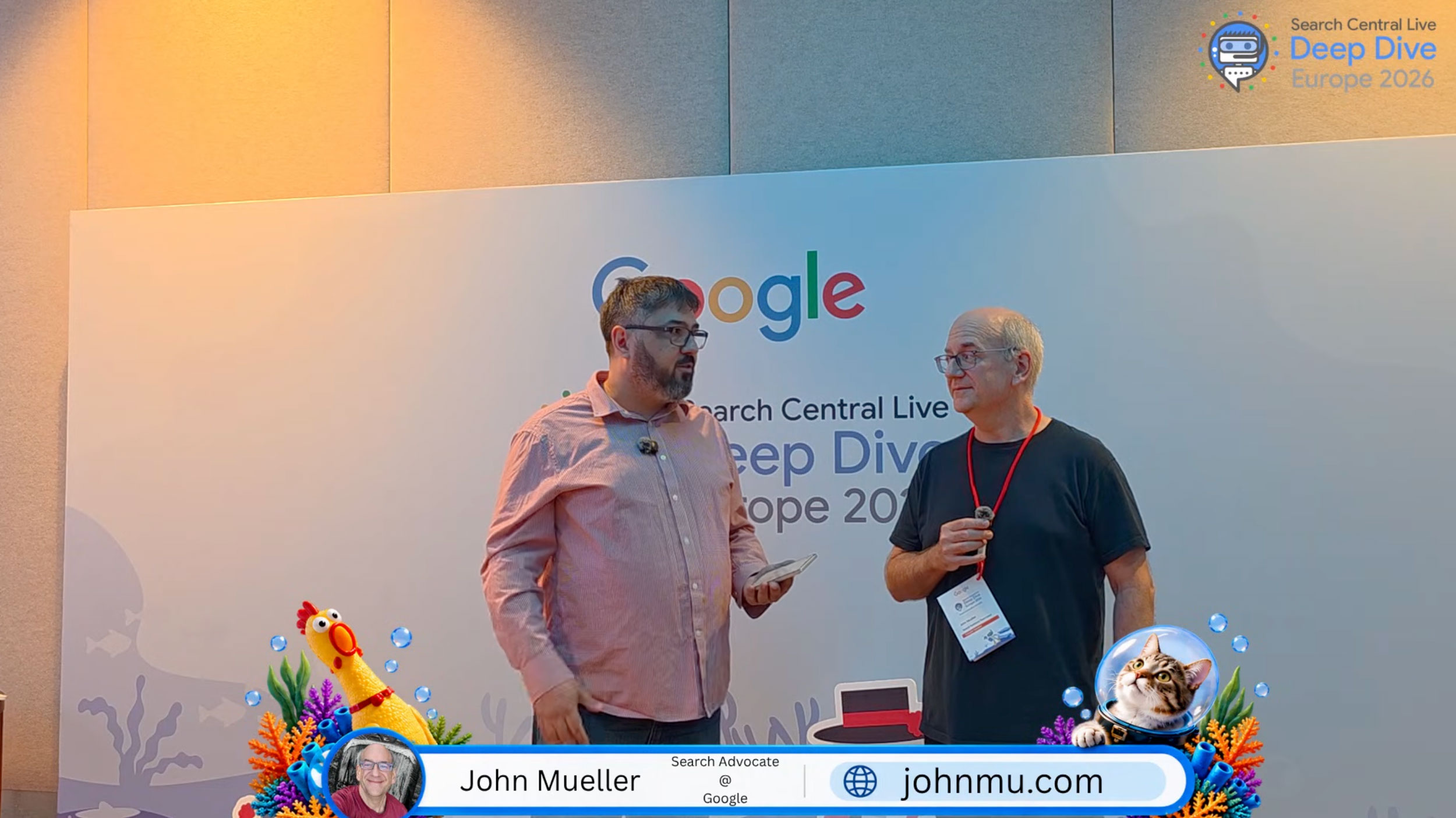
What Happened\n\nGoogle’s senior search quality manager, John Mueller, sat down with David Iwanow on Search Engine Roundtable to discuss the future of SEO in an era dominated by AI‑generated content. Mueller highlighted that while current systems can surface low‑quality, listicle‑style pages that rank well in AI‑driven queries, Google’s algorithms are evolving to detect and penalize such tactics.\n\n## Key Details\n\n- **AI‑Generated Content**: Mueller confirmed that AI‑driven content is now part of the search ecosystem. He emphasized that Google’s crawlers are getting better at distinguishing between genuinely helpful material and machine‑written fluff.\n- **Technical SEO Matters**: The interview touched on crawl stats, redirect chains, and e‑commerce product data. Mueller stressed that technical health—fast load times, clean redirects, and accurate schema—remains a top priority.\n- **Future of Listicles**: List‑heavy pages that were once a quick win for rankings are now flagged as “cheap” content. Mueller warned that “eventually the systems will catch up.”\n- **E‑commerce Signals**: Accurate product data and structured markup are becoming essential for visibility in AI‑powered shopping experiences.\n- **Crawl Stats Report**: Mueller explained that the crawl stats tool can help site owners see how often Googlebot visits and what it finds, offering insight into potential penalties.\n\n## What It Means For Your Business\n\n### Stop Relying on Quick Wins\nIf your local shop or service provider has been using listicles, keyword‑stuffed blogs, or AI‑generated FAQs to boost rankings, it’s time to pivot. Google’s future algorithms will reward depth, context, and human expertise.\n\n### Prioritize Technical Health\n- **Clean Redirect Chains**: Ensure that every redirect points directly to the final URL. Long chains can slow down crawlers and dilute link equity.\n- **Fast Page Load Times**: A 1‑second delay can cost a click. Use tools like Lighthouse or PageSpeed Insights to keep speed in check.\n- **Structured Data**: Implement schema for products, local business details, and reviews. This helps AI agents understand your offerings and display rich snippets.\n\n### Build Genuine Authority\n- **Expert Content**: Write or commission content that demonstrates real expertise, such as case studies, how‑to guides, or industry insights.\n- **User‑Generated Reviews**: Encourage customers to leave reviews on Google My Business and other platforms. Authentic feedback is a strong signal for AI models.\n- **Consistent NAP**: Ensure your Name, Address, Phone number is consistent across all citations. AI agents cross‑reference these details when generating answers.\n\n### Monitor Crawl Stats\nUse Google Search Console’s crawl stats to spot crawl errors, slow‑loading pages, or unexpected drops in index coverage. Early detection can prevent penalties from AI‑driven ranking shifts.\n\n### Stay Ahead with AI Tools\nVisibilityAI can help you track how AI tools like ChatGPT, Gemini, and Perplexity cite your business. By ensuring accurate, up‑to‑date citations, you improve the odds that these models surface your local expertise.\n\nIn short, the era of “quick‑and‑dirty” SEO is fading. By investing in technical excellence, authoritative content, and consistent citations, local businesses can position themselves to thrive in AI‑centric search landscapes.
Why This Matters For Your Business
For local business owners, the shift means that the old shortcut of list‑heavy, keyword‑stuffed pages will no longer keep you afloat when AI agents answer queries. AI search models rely on structured, trustworthy data to generate accurate answers. If your site is riddled with thin content or technical glitches, AI tools may simply ignore it or present competitors instead.\n\nMoreover, AI assistants are becoming the first point of contact for customers. When they pull information from your citations, they shape perception and drive foot traffic or sales. Ensuring that your business information is clean, consistent, and rich in schema boosts the likelihood that AI tools will surface you in their responses. This visibility translates directly into more calls, visits, and conversions.\n
Frequently Asked Questions
Will AI tools still index my site if it has thin content?
AI tools rely on search engine indexes. If your site is penalized for thin or duplicate content, it may rank lower or be omitted from AI responses.
What technical fixes should I prioritize?
Focus on fixing redirect chains, improving page load speed, and adding structured data for products, reviews, and local business details.
How can VisibilityAI help?
VisibilityAI monitors AI tools for citations, alerts you to changes, and helps keep your business data consistent across platforms.
Is your business showing up in AI search?
Get your free AI visibility audit - see if ChatGPT, Perplexity, and Google AI actually recommend you.