
Home / News / Google Spam Update Done, Penalties Rise—What Small Businesses Need to Know
Google Spam Update Done, Penalties Rise—What Small Businesses Need to Know
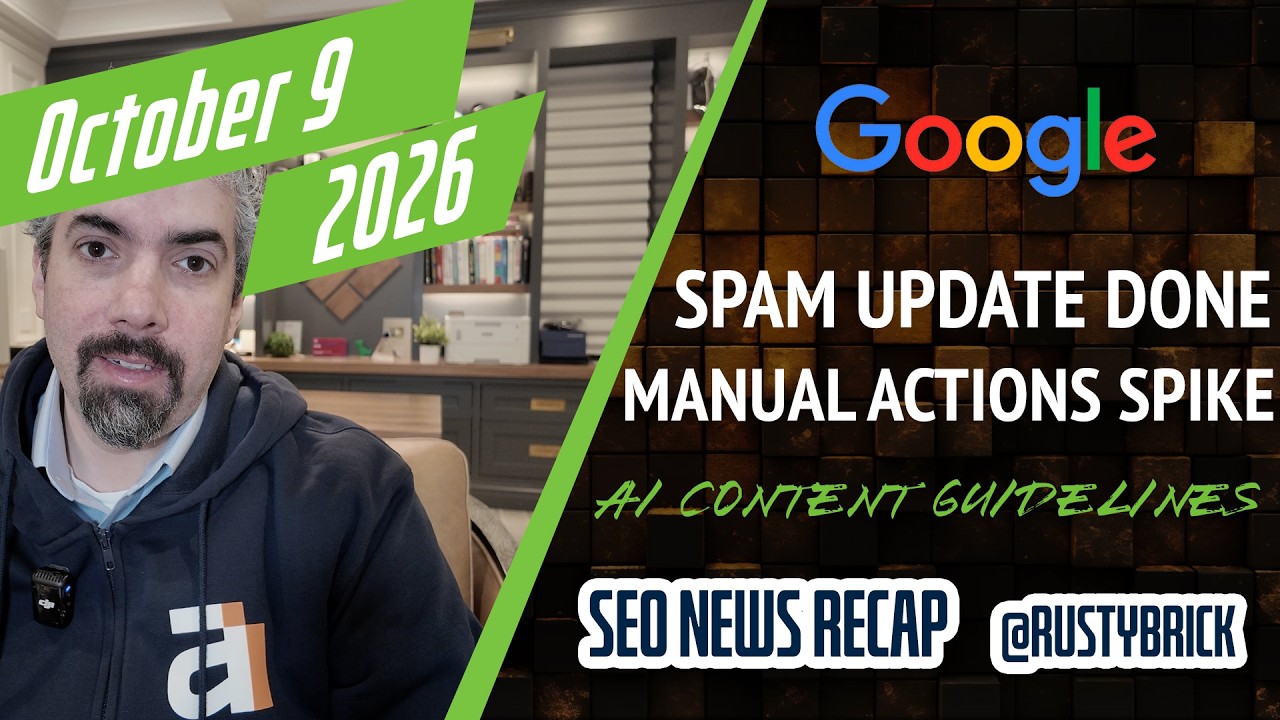
Google’s September 2026 spam update has finished, triggering a wave of manual penalties and tighter quality checks. Local and small businesses must audit citations, verify author bios, and produce AI‑friendly, high‑E‑AT content to stay visible in both traditional SERPs and AI‑driven search assistants.
Key Highlights
- ✓Final phase of Google’s September 2026 spam update completed
- ✓Manual penalties have risen, targeting low‑quality sites
- ✓AI fact‑checking now requires verifiable citations
- ✓Fake author detection impacts local business rankings
What Happened
Google rolled out the final phase of its September 2026 spam update earlier this week, bringing the multi‑phase effort to a close. The third and last wave targeted low‑quality, link‑farm, and deceptive pages worldwide, and Google warned that it may continue issuing manual action penalties as it fine‑tunes its spam signals.
Key Details
- Spam Update Completion – The rollout culminated in a purge of content that manipulates rankings through hidden links, scraped articles, or “fake author” tactics.
- Manual Penalties Rise – Search Engine Roundtable reported a noticeable uptick in manual actions, particularly against sites that rely on keyword stuffing, duplicate content, or unverified author bios.
- Fact‑Check AI Integration – Google’s AI‑driven fact‑checking now cross‑references statements with authoritative sources; pages that omit citations can be demoted.
- Content Quality Signals – The algorithm now places greater weight on E‑AT (Expertise, Authoritativeness, Trustworthiness), rewarding well‑written, locally relevant material.
- Fake Author Detection – AI tools flag author profiles lacking verifiable credentials, causing lower rankings for pages that use generic “John Doe” bios.
- Ads & SERP Changes – Paid results receive clearer separation, and AI‑generated ad copy is being examined for policy compliance.
What It Means For Your Business
- Local Visibility – Sites penalized for spammy backlinks or thin content may see a drop in local rankings, making it harder for nearby customers to discover them.
- AI Discovery – Chatbots and search assistants draw from Google’s index; a manual penalty can exclude your pages from the data pool, effectively removing your business from AI‑generated answers.
- Citations & Listings – Business listings that cite unverified authors or lack proper sources risk being downgraded, reducing their appearance in AI‑generated overviews.
- Content Strategy – Focus on unique, locally relevant stories, genuine customer testimonials, and expert insights. Avoid boilerplate “about us” pages that appear generic.
- Ad Performance – Ensure local ad copy complies with the new AI checks; non‑compliant ads may be disapproved or shown less prominently.
Quick Fixes & Next Steps
1. Audit Your Site – Use Google Search Console to identify manual action alerts and crawl errors.
2. Clean Up Backlinks – Disavow spammy links and earn authentic local citations from reputable directories.
3. Verify Authors – Add real names, photos, and bios that include verifiable credentials; link to LinkedIn or professional profiles.
4. Add Citations – Cite authoritative sources for any claims, especially in health, finance, or legal content.
5. Optimize for E‑AT – Highlight your niche expertise, publish case studies, and keep an up‑to‑date FAQ section.
6. Monitor AI Feedback – Search your brand name in ChatGPT, Gemini, or other assistants to see how your pages are presented and adjust if flagged.
Final Thoughts
The September 2026 spam update is more than a technical tweak; it signals that Google now rewards genuine expertise and transparent authorship above shortcuts. For local and small businesses, staying compliant means staying visible—not only in traditional SERPs but also in the emerging AI‑driven search landscape. Keep your content fresh, your citations verifiable, and your authors credible, and you’ll be well positioned for success in the post‑update world.
Why This Matters For Your Business
Google’s spam update directly impacts AI assistants such as ChatGPT, Perplexity, Gemini, and Google AI Overviews. When a site receives a manual penalty or is flagged for spam, it can be removed from the index these tools query, meaning potential customers may never encounter the business in AI‑generated answers. AI‑driven search amplifies the importance of E‑AT. A well‑documented local‑expertise section, authentic customer reviews, and authoritative backlinks boost credibility in both organic rankings and AI summaries. Ignoring these signals not only harms SERP positions but also reduces the likelihood that AI assistants will recommend the business, eroding a critical first impression.
Frequently Asked Questions
What is a manual action penalty?
A manual action is a penalty applied by a Google reviewer when a site violates the Search Quality Guidelines. It can lower rankings or remove the affected pages from Google’s index until the issue is resolved.
How can I check if my site has a manual action?
Open Google Search Console, go to the “Manual Actions” report, and review any listed penalties along with the recommended steps for remediation.
Will my local business citations be affected?
Yes. Citations that list fake authors or lack verifiable sources may be downgraded or excluded from AI‑driven search results, reducing their visibility in AI‑generated answers.
Is your business showing up in AI search?
Get your free AI visibility audit - see if ChatGPT, Perplexity, and Google AI actually recommend you.