
Home / News / Google Search Console Performance Delay: Small Business Impact
Google Search Console Performance Delay: Small Business Impact
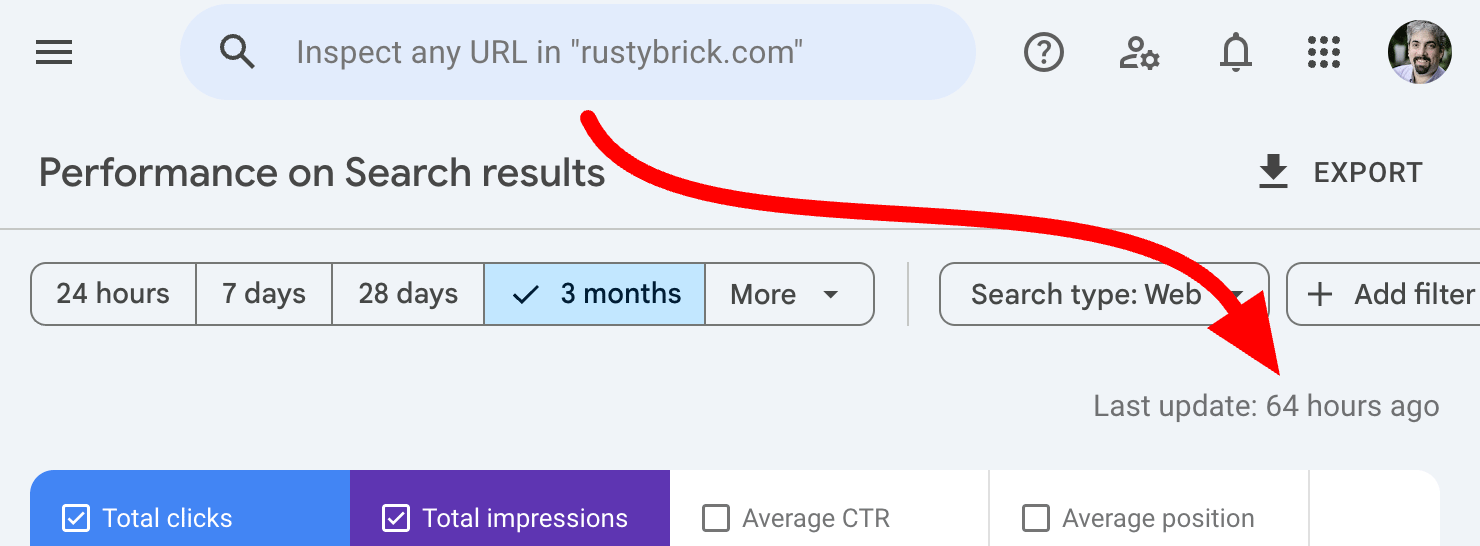
Google’s Search Console performance reports have been stalled for over 64 hours, leaving small business owners without fresh click and impression data. This disruption, which began shortly after the September 2026 spam update, threatens AI‑driven local visibility and SEO optimization efforts.
Key Highlights
- ✓Google Search Console performance reports delayed by 64+ hours.
- ✓Delay started after September 2026 spam update and persists.
- ✓Stale data hampers clicks, impressions, CTR, and ranking insights.
- ✓Businesses can mitigate with alternative analytics and on‑page SEO focus.
What Happened
Normally, Google Search Console performance reports update within a few hours, but as of October 11 2026, that timeline has stretched to more than 64 hours. The lag began shortly after the September 2026 spam update and has persisted through the weekend, leaving many site owners staring at stale data.
This delay is unprecedented for the performance report, a critical tool for measuring clicks, impressions, click‑through rate (CTR), and average position. While other Search Console reports—such as Coverage or Links—have remained stable, the performance tab is the one currently affected.
Key Details
- Delay duration: 64 + hours, the longest period recorded in recent history.
- First detection: Early Sunday morning (7 am ET), screenshot shows data from October 7 instead of the current week.
- Historical precedent: In December 2025, a similar issue caused a 48‑hour lag; Google resolved it after a week of investigation.
- Affected metrics: Clicks, impressions, CTR, average position, and the query, page, and country breakdowns are all frozen.
- Root cause speculation: Likely a back‑end processing bottleneck triggered by the spam update’s re‑indexing workload.
- Google’s stance: No public apology yet; status updates are being posted on the Search Console Help Center and the SERoundTable forum.
- Community response: SEO professionals are sharing screenshots, asking for confirmation, and recommending patience.
What It Means For Your Business
1. Optimization stalls
Without fresh performance data, you cannot confirm whether recent keyword tweaks, content updates, or technical fixes are driving traffic. This uncertainty can stall decision‑making, causing you to hesitate before making further optimizations.
2. AI‑driven discovery suffers
AI assistants like ChatGPT, Gemini, and Perplexity often ingest Search Console data to surface local business listings and citations. Stale data means your business might not appear in the latest AI responses, reducing visibility for users relying on these tools.
3. Competitive disadvantage
Competitors who can still pull recent data may identify and exploit new ranking opportunities faster than you, potentially pushing your business lower in local search results.
4. Action steps to mitigate the impact
- Leverage alternative analytics: Use Google Analytics 4, Bing Webmaster Tools, or third‑party tools like Ahrefs to fill the data gap.
- Prioritize on‑page SEO: Keep refining titles, meta descriptions, and schema markup so that when data returns, your site is ready to climb.
- Communicate with stakeholders: Explain the delay to clients or internal teams to set realistic expectations.
- Monitor official channels: Follow the Search Console Help Center, Google Webmaster Central blog, and SERoundTable updates for any resolution timeline.
- Plan for long‑term resilience: Consider diversifying your data sources and building a local SEO strategy that isn’t solely dependent on GSC.
5. Preparing for the future
This incident underscores the importance of a multi‑channel data strategy. Relying exclusively on one dashboard can leave you vulnerable when that platform experiences downtime or delays. By integrating multiple data streams, you can maintain visibility, track performance, and continue to optimize your local presence even when one source is compromised.
By staying proactive—monitoring alternative tools, communicating transparently, and preparing a resilient strategy—you can mitigate the delay’s impact and keep your small business discoverable by both human searchers and AI assistants.
Why This Matters For Your Business
Fresh performance data is the backbone of modern local SEO. AI assistants and search engines rely on up‑to‑date click, impression, and ranking signals to surface the most relevant businesses. When Google Search Console stalls, those signals become frozen. This means AI tools may miss recent changes to your site or citations, and users may no longer see your business in AI‑generated answers or local packs. For small businesses, this delay can translate into lost traffic, missed local opportunities, and a lag behind competitors who still have access to live data. By diversifying data sources—leveraging Google Analytics, Bing Webmaster Tools, and third‑party SEO platforms—you can keep a pulse on performance and continue refining your strategy until the GSC delay resolves.
Frequently Asked Questions
How long will the delay last?
It depends on when Google resolves the back‑end issue; currently no official timeline.
Can I still get accurate data?
Use Google Analytics, Bing Webmaster Tools, or third‑party SEO tools for a workaround.
Will this affect my local rankings?
Stale data may slow optimization, but rankings themselves are not directly altered until new data is processed.
Is your business showing up in AI search?
Get your free AI visibility audit - see if ChatGPT, Perplexity, and Google AI actually recommend you.