
Home / News / Google Says AI Spam Tactics Won’t Last – What Small Businesses Must Do
Google Says AI Spam Tactics Won’t Last – What Small Businesses Must Do
John Mueller warns that AI‑generated spam will soon be filtered out by Google’s evolving algorithms, urging small businesses to abandon low‑effort tactics and focus on high‑quality, technically sound content that serves real user needs.
Key Highlights
- ✓Google’s AI systems are learning to detect AI‑generated spam.
- ✓Cheap listicle tactics will soon be penalized in AI search.
- ✓Technical SEO fundamentals like crawl stats and redirects remain crucial.
- ✓Authentic local citations boost trust for AI assistants and traditional search.
What Happened
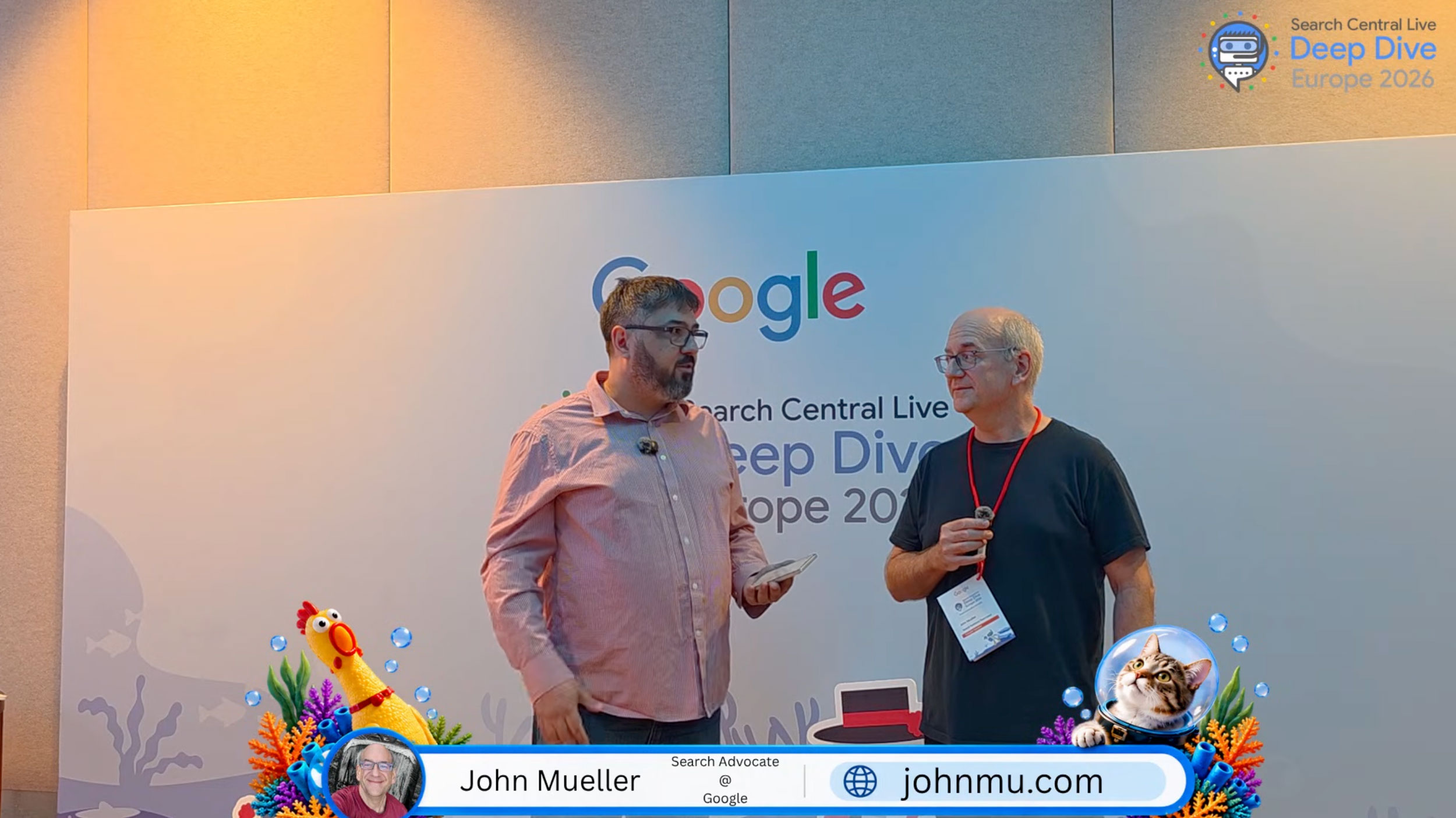
In a candid interview with David Iwanow, Google’s search‑quality evangelist John Mueller addressed the growing prevalence of AI‑generated content and the shortcuts some marketers use to game AI‑driven search results. He emphasized that while listicles, thin quick‑answer pages, and other low‑effort tactics can still earn rankings, Google’s algorithms are rapidly advancing and will soon weed out these spammy signals.
Key Details
- AI Spam Is on Google’s Radar – Mueller confirmed that Google’s AI systems are already being trained to spot patterns typical of autogenerated or overly‑optimized content.
- Cheap Tactics Won’t Survive – Strategies like mass‑produced listicles, keyword stuffing, and duplicate product descriptions may give a short‑term boost, but they risk a penalty once detection models improve.
- Technical SEO Still Matters – The interview covered crawl‑stats reports, redirect chains, and ecommerce product data. Mueller reminded site owners that a clean technical foundation is the backbone of long‑term visibility.
- Future‑Proof Content – High‑quality, user‑first material that answers real questions and delivers value will remain the safest bet as AI search matures.
- VisibilityAI’s Role – Tools that help local businesses create authentic, citation‑rich content are more important than ever. By focusing on genuine local signals, businesses can stay ahead of AI spam filters.
What It Means For Your Business
1. Stop Chasing Quick Wins
If your strategy relies on generic listicles or auto‑generated product blurbs to attract AI search traffic, it’s time to shift gears. Google’s evolving systems will flag such content as low‑value, risking demotion in both traditional and AI‑driven SERPs.
2. Invest in Real Value
- Answer Real Customer Questions – Use tools like VisibilityAI to uncover the specific queries your local audience asks. Craft in‑depth guides, how‑to articles, and case studies that solve those problems.
- Leverage Structured Data – Proper schema for products, reviews, and local business information helps AI assistants surface your content accurately.
- Maintain a Healthy Crawl Profile – Regularly audit redirect chains and fix broken links. A tidy crawl‑stats report signals a well‑maintained site to Google’s bots.
3. Optimize for AI Summaries, Not Just Rankings
AI assistants (ChatGPT, Gemini, Perplexity) pull concise answers from the web. Make your content scannable:
- Use clear headings and bullet points.
- Place concise, factual statements near the top of the page.
- Include authoritative citations and local references.
4. Build Authentic Local Citations
VisibilityAI specializes in getting your business cited across local directories, review sites, and niche platforms. These citations act as trust signals that AI models weigh heavily when deciding which local business to recommend.
5. Monitor and Adapt
- Set up alerts for sudden drops in traffic after Google updates.
- Use the Crawl Stats Report to watch for spikes in crawl errors that could indicate algorithmic scrutiny.
- Regularly refresh evergreen content to keep it relevant and AI‑friendly.
Bottom Line
John Mueller’s message is clear: short‑term hacks are a losing strategy. By focusing on genuine expertise, solid technical health, and authentic local citations, small businesses can not only survive but thrive in the AI‑first search era.
Action Steps for Small Business Owners
1. Audit your existing content for thin, AI‑generated pages.
2. Replace low‑value listicles with comprehensive, user‑centric guides.
3. Implement structured data for products and local business info.
4. Partner with VisibilityAI to secure high‑quality local citations.
5. Track crawl stats and fix technical issues monthly.
Why It Matters
For businesses that rely on online discovery, the shift toward AI‑driven search isn’t a fad—it’s a structural change in how customers find information. When AI assistants pull answers from the web, they prioritize content that is trustworthy, well‑structured, and locally relevant. If your site is built on low‑effort, spammy tactics, you risk being filtered out of both traditional SERPs and AI summaries, cutting off a vital traffic source.
VisibilityAI helps small businesses create and distribute high‑quality, citation‑rich content that satisfies both human users and AI models. By aligning your SEO strategy with Google’s upcoming spam‑catching mechanisms, you protect your rankings, improve local visibility, and ensure that AI assistants recommend your business when customers ask for local solutions.
FAQs
- Will removing AI‑generated listicles improve my rankings immediately?
Removing thin, spammy pages eliminates a negative signal, but rankings improve gradually as Google re‑crawls and re‑evaluates your site. Pair the cleanup with high‑value content for faster results.
- How can I tell if my content is considered AI spam by Google?
Look for signs like low dwell time, high bounce rates, and a sudden drop after algorithm updates. Use tools that assess content originality, depth, and relevance; if it scores low, it may be flagged as spam.
- What role do local citations play in AI‑driven search?
AI assistants rely on authoritative local signals to answer “near me” queries. Accurate citations across directories, review sites, and niche platforms act as trust badges that help AI models surface your business.
Why This Matters For Your Business
The rise of AI‑driven assistants means search is no longer just about keyword relevance; it’s about trust, structure, and genuine value. Businesses that rely on thin, auto‑generated content risk being invisible in both traditional and AI‑summarized results, losing critical local traffic. By investing in high‑quality, technically sound content and authentic local citations, owners can safeguard their visibility and position their brand as a reliable local authority.
Frequently Asked Questions
Will removing AI‑generated listicles improve my rankings immediately?
Removing thin, spammy pages eliminates a negative signal, but rankings improve gradually as Google re‑crawls and re‑evaluates your site. Pair the cleanup with high‑value content for faster results.
How can I tell if my content is considered AI spam by Google?
Look for signs like low dwell time, high bounce rates, and a sudden drop after algorithm updates. Use tools that assess content originality, depth, and relevance; if it scores low, it may be flagged as spam.
What role do local citations play in AI‑driven search?
AI assistants rely on authoritative local signals to answer “near me” queries. Accurate citations across directories, review sites, and niche platforms act as trust badges that help AI models surface your business.
Is your business showing up in AI search?
Get your free AI visibility audit - see if ChatGPT, Perplexity, and Google AI actually recommend you.