
Home / News / Google Restores 100-Results Search: What Business Owners Must Know
Google Restores 100-Results Search: What Business Owners Must Know
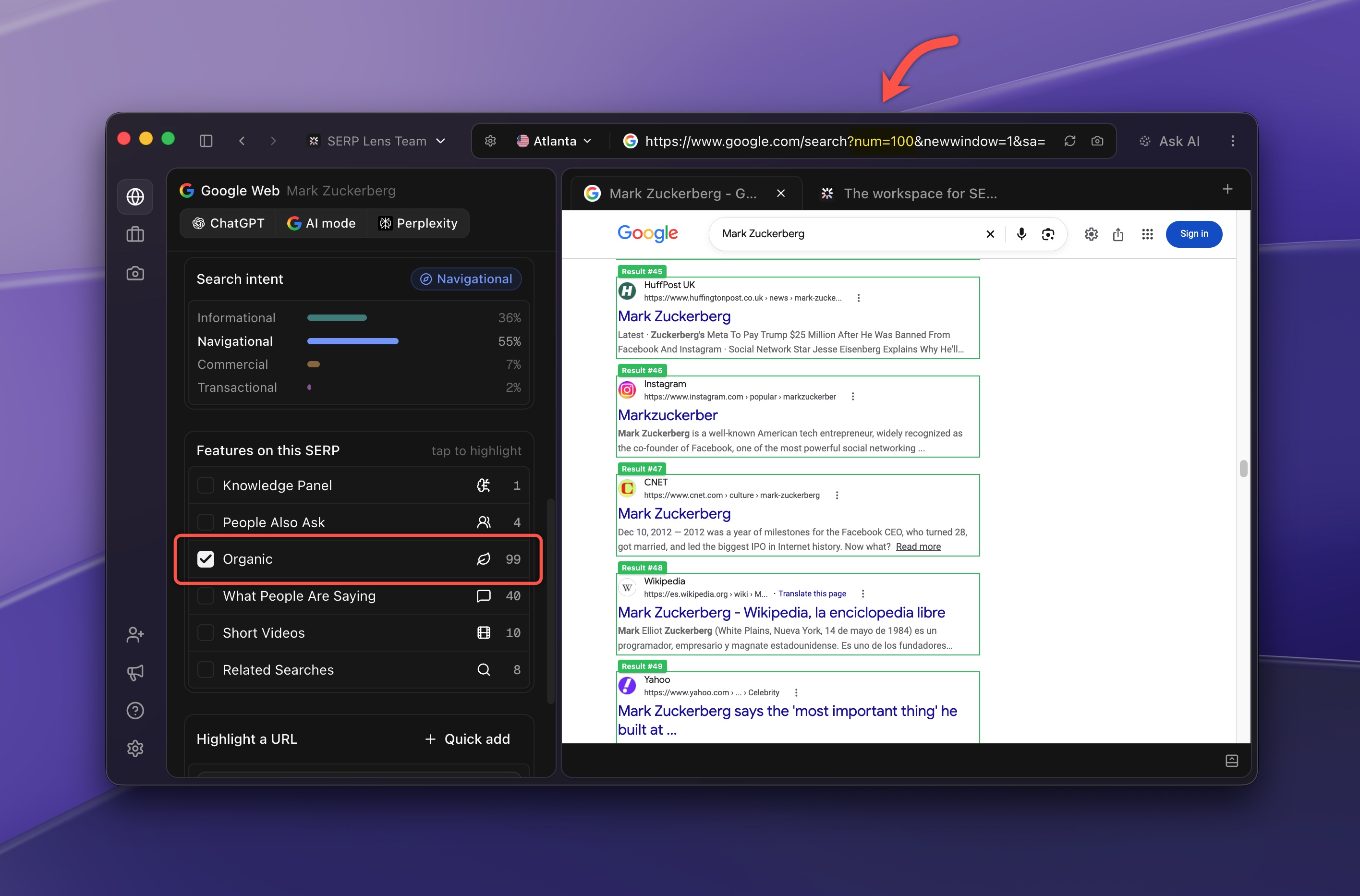
Google has quietly re-enabled its num=100 parameter, allowing users and scrapers to view up to 100 organic search results on a single page. While easily dismissed as a routine technical tweak, the change carries notable implications for local SEO and AI-driven discovery engines. Business owners should understand how deeper result pages influence citation opportunities and visibility in conversational search.
Key Highlights
- ✓Google re‑enabled the num=100 search results parameter
- ✓Potential impact on crawler-friendly indexing
- ✓Local businesses may see more visibility in AI tools
- ✓Need to adjust SEO monitoring and citation strategies
What Happened
Google has quietly brought back the num=100 query parameter, enabling users to request 100 organic search results per page instead of the customary 10 or 20. The revived setting surfaced on October 30, 2026, when SEO professionals noticed the flag appended to URLs generated after clicking on knowledge panels. This adjustment marks a shift from Google’s 2025 decision to remove the parameter in an effort to curb automated web scraping.
Key Details
- Re‑introduction of
num=100: The parameter works once again, though its availability is situational—appearing most reliably after interacting with knowledge panels or when added manually to the search URL. - Limited rollout: Because Google has not officially announced the update, the functionality may still be in beta testing or restricted to specific geographic regions.
- Crawler implications: Restoring larger result sets could make it easier for search crawlers and analytical tools to pull broader page data in a single request, potentially improving index coverage and data depth.
- Tool compatibility: Most major rank-tracking platforms that previously relied on the
num=100flag have not yet adjusted, meaning teams still need to verify positions manually or query updated APIs.
What It Means For Your Business
1. Expanded Data for AI‑Powered Discovery
AI assistants like ChatGPT, Perplexity, Gemini, and Google AI Overviews build their answers directly from Google's indexed pages. Displaying 100 results per page broadens the pool of data available for local searches, giving your business a stronger shot at landing in an AI-generated summary or citation. Even if your brand already holds a position in the top 10–20, deeper listings surface the niche pages and long-tail terms that AI models frequently synthesize.
2. Deeper Insight Into Local Competition
Most local operators track only the first 5 or 10 search spots. Using the num=100 flag gives you a panoramic view of the competitive landscape, uncovering competitors that rank well for related terms but sit just outside standard page-one views. Analyzing this broader field helps pinpoint content gaps and sharpen keyword targeting.
3. Adjust Your Monitoring and Reporting
- Manual Checks: Because third-party tracking tools have yet to catch up, manually inspect critical search URLs to confirm where your pages appear.
- API Updates: If you query Google's Custom Search JSON API, test incorporating
num=100into your calls to pull richer data sets. - Citation Audits: A wider results display creates more opportunities to spot citations across the web. Review your directory presence and verify that your Name, Address, and Phone (NAP) details remain uniform across all platforms.
4. Prepare for Future Search Engine Tweaks
Google's renewed experimentation with num=100 suggests ongoing testing behind the scenes. Keep a close watch on future search tweaks, particularly those dictating how AI assistants harvest search information. Maintaining an adaptable citation and SEO strategy will ensure your business moves quickly as algorithms evolve.
5. Why It Matters for Small Businesses
Consistent visibility drives steady inbound demand. Returning 100 results per query raises the odds that your business gets pulled into conversational AI answers for local queries—leading directly to more calls, clicks, and foot traffic. With AI systems increasingly acting as the primary discovery channel for prospective customers, securing your place across these extended results directly protects your revenue.
Why This Matters For Your Business
For small business owners, discovery is the lifeblood of customer acquisition. Consumers are turning to AI assistants first when seeking local products and services, and those platforms rely heavily on Google's indexed results to generate recommendations. By surfacing 100 listings instead of a single page of 10 or 20, Google exposes a significantly wider slice of its index to conversational engines, expanding your opportunity to earn valuable citations. This update also highlights Google's ongoing adjustments to search accessibility. Companies that respond proactively—by manually monitoring local rankings, auditing citations, and maintaining strict NAP accuracy—will gain a distinct edge in conversational discovery. In competitive local markets, that incremental visibility often determines which brand wins the call. Finally, the return of this parameter demonstrates why search strategy must extend beyond traditional first-page rankings. Ensuring your content is discoverable across deep search results positions your brand directly in front of high-intent buyers who rely on conversational search to make purchasing decisions.
Frequently Asked Questions
What is the `num=100` parameter?
It is a URL query parameter that instructs Google to display 100 organic search results on a single page instead of the default 10 or 20.
Will all search results show 100 results now?
No. The functionality currently appears only in specific contexts—such as following a knowledge panel click or via manual URL edits—suggesting it may still be in a testing or limited rollout phase.
Does this affect my rank‑tracking tools?
Most third-party rank trackers broke when Google originally removed the parameter in 2025 and have not yet updated their scrapers. You will likely need to perform manual checks or configure Google's API with `num=100` for extended tracking.
Is your business showing up in AI search?
Get your free AI visibility audit - see if ChatGPT, Perplexity, and Google AI actually recommend you.