
Home / News / Google Ranking Volatility Heats Up: What Local Businesses Need to Know
Google Ranking Volatility Heats Up: What Local Businesses Need to Know
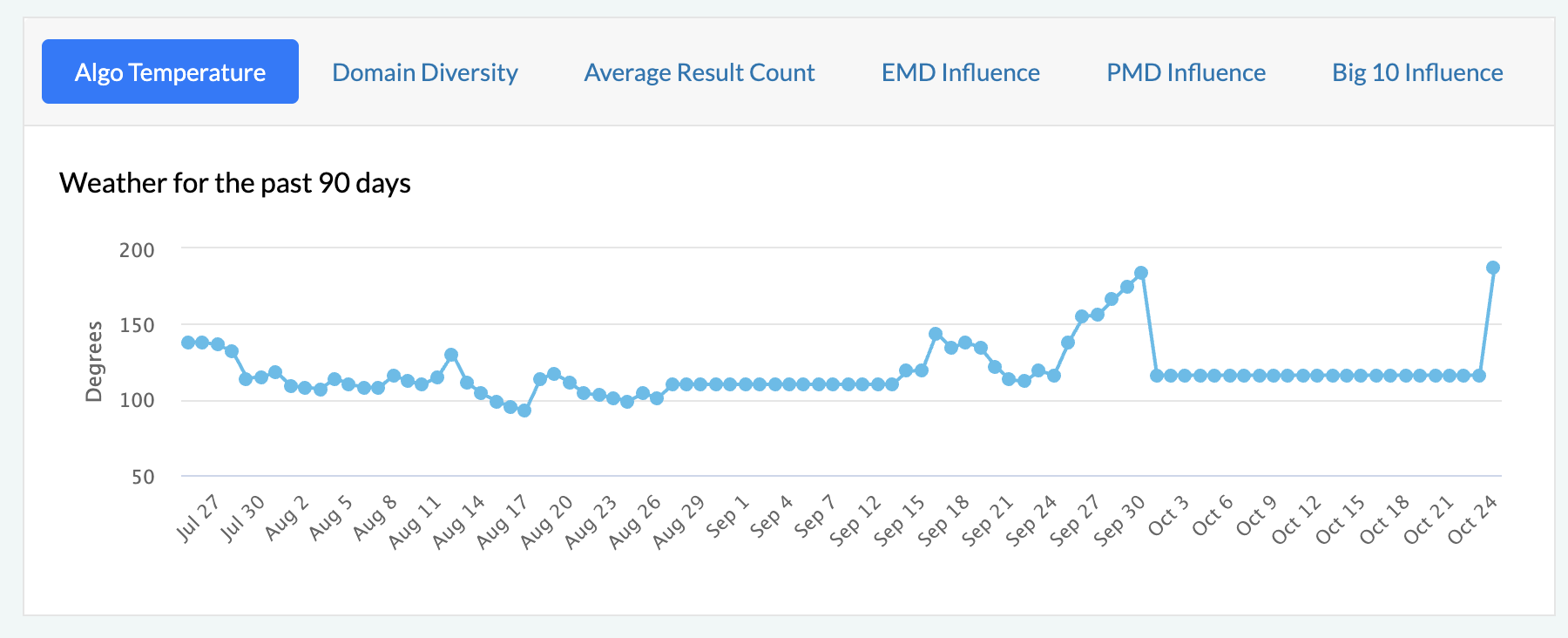
On October 24, 2026 Google’s algorithm caused a wave of ranking volatility that shuffled thousands of local and niche sites up and down the SERPs. Small‑business owners should audit citations, refresh content, and fortify backlinks now to protect their visibility against future swings.
Key Highlights
- ✓Google’s October 24 update caused widespread ranking shifts affecting local businesses
- ✓Fresh, consistent NAP data and local citations are more critical than ever
- ✓High‑quality local backlinks help stabilize rankings during volatility
- ✓Continuous monitoring and quick response to drops can mitigate negative impacts
What Happened
On Saturday, October 24th, 2026, Google Search experienced a pronounced bout of ranking volatility, as reported by Search Engine Roundtable’s Barry Schwartz. Third‑party rank‑tracking tools documented large swings in keyword positions, especially for local and niche queries. The turbulence followed a presumed Google update released on Friday, suggesting the algorithm is continuously tweaking how it weighs relevance, freshness, and trustworthiness.
The disruption was not isolated to a few sites. Thousands of URLs—ranging from small‑business listings and local service pages to specialized blogs—saw their positions shift dramatically. Short‑tail keywords that local businesses depend on for foot traffic and phone calls were hit hardest.
Key Details
- Timing: The fluctuations began around 12:00 pm ET on Friday and grew more intense over the weekend.
- Scope: Thousands of URLs across multiple industries moved between 10 and 50 spots in the rankings.
- Patterns: Pages that had recently refreshed content, added schema markup, or improved local citations tended to gain ground.
- Backlink Impact: Sites with a handful of high‑quality, locally relevant backlinks showed greater stability during the upheaval.
- AI Search Tie‑In: The same ranking signals that drive Google Search also feed AI assistants such as ChatGPT, Gemini, and Perplexity, meaning changes ripple into conversational results.
- Unconfirmed Updates: Schwartz previously flagged possible updates on Oct. 16, 20, and 21, indicating a period of algorithmic fine‑tuning that culminated on Oct. 24.
- September Spam Update: A spam‑focused update rolled out on September 24 may have set the stage for the heightened volatility observed in late October.
What It Means For Your Business
1. Re‑evaluate Your Local Citations
Google rewards consistent, accurate Business Profile data. Discrepancies in your NAP (Name, Address, Phone) across directories increase susceptibility to ranking swings. Ensure that:
- Your Google Business Profile is fully completed and verified.
- Major local directories (Yelp, YellowPages, TripAdvisor) display identical NAP information.
- New locations are added with appropriate schema markup.
2. Refresh Your Content Regularly
Freshness remains a strong signal for local queries. Keep your site current by updating:
- Service pages with the latest pricing and availability.
- Blog posts that reference seasonal events or local news.
- FAQ sections to answer emerging customer questions.
A well‑structured, up‑to‑date page is more likely to weather algorithmic shifts.
3. Strengthen Your Backlink Profile
Backlinks from reputable local sources—news outlets, chambers of commerce, partner businesses—signal trust to Google. Consider:
- Guest posting on community blogs.
- Sponsoring local events and earning a link from the event page.
- Engaging local influencers for mentions.
High‑quality local links act as a stabilizing force when rankings fluctuate.
4. Monitor Your Rankings Continuously
Leverage Google Search Console, Ahrefs, or SEMrush to watch position changes. Set alerts for sudden drops so you can act quickly—whether that means tightening on‑page SEO, removing spammy links, or adjusting your local strategy.
5. Prepare for AI‑Driven Search
AI chatbots increasingly draw answers from Google’s index. If your pages slip in the SERPs, they are less likely to appear in AI‑generated responses. Optimize for featured snippets and structured data to improve the odds of being cited by AI tools.
Bottom Line
Ranking volatility is an expected by‑product of Google’s ongoing algorithm updates. For local businesses, resilience hinges on clean citations, fresh content, robust backlinks, and vigilant monitoring. By mastering these fundamentals, you’ll not only survive the next shake‑up but also thrive in both classic search and the emerging AI‑search landscape.
Why It Matters
When Google’s ranking algorithm shifts, a local business can experience a rapid rise—or a steep decline—in visibility within days. For owners who depend on organic search for walk‑ins, phone calls, or online sales, a sudden drop translates directly into lost revenue.
The impact extends beyond traditional search. AI assistants such as ChatGPT, Gemini, and Perplexity pull heavily from Google’s index to generate answers. If your pages lose SERP prominence, they are also less likely to be referenced by these conversational tools, shrinking your exposure to a growing segment of users who prefer AI‑driven search.
VisibilityAI exists to help small and local businesses stay discoverable by both humans and machines. The recent volatility underscores the need for a proactive, data‑driven SEO strategy. By keeping citations accurate, content fresh, and backlinks strong, you safeguard your presence in Google’s ecosystem and ensure that AI assistants continue to surface your business as a trusted answer.
Why This Matters For Your Business
When Google’s ranking algorithm shifts, a local business can experience a rapid rise—or a steep decline—in visibility within days. For owners who depend on organic search for walk‑ins, phone calls, or online sales, a sudden drop translates directly into lost revenue. The impact extends beyond traditional search. AI assistants such as ChatGPT, Gemini, and Perplexity pull heavily from Google’s index to generate answers. If your pages lose SERP prominence, they are also less likely to be referenced by these conversational tools, shrinking your exposure to a growing segment of users who prefer AI‑driven search.
Frequently Asked Questions
What immediate steps should I take after noticing a ranking drop?
First, open Google Search Console to check for manual actions or crawl errors. Next, audit the affected page for content freshness, keyword relevance, and on‑page SEO. Finally, review your backlink profile for any low‑quality links and disavow them if necessary.
Will this ranking volatility affect my paid ads?
Paid search operates independently of organic rankings, but a dip in organic visibility can lower ad relevance scores. Keep your ad copy tightly aligned with the content on your landing pages to preserve quality scores.
How often should I monitor my rankings?
Set up daily or weekly alerts for your most critical keywords. Most local businesses find a weekly review sufficient, but highly competitive niches may benefit from daily monitoring.
Is your business showing up in AI search?
Get your free AI visibility audit - see if ChatGPT, Perplexity, and Google AI actually recommend you.