
Home / News / Google Final Sept 2026 Spam Update Rolls Out Oct 4‑6 – Small Biz Guide
Google Final Sept 2026 Spam Update Rolls Out Oct 4‑6 – Small Biz Guide
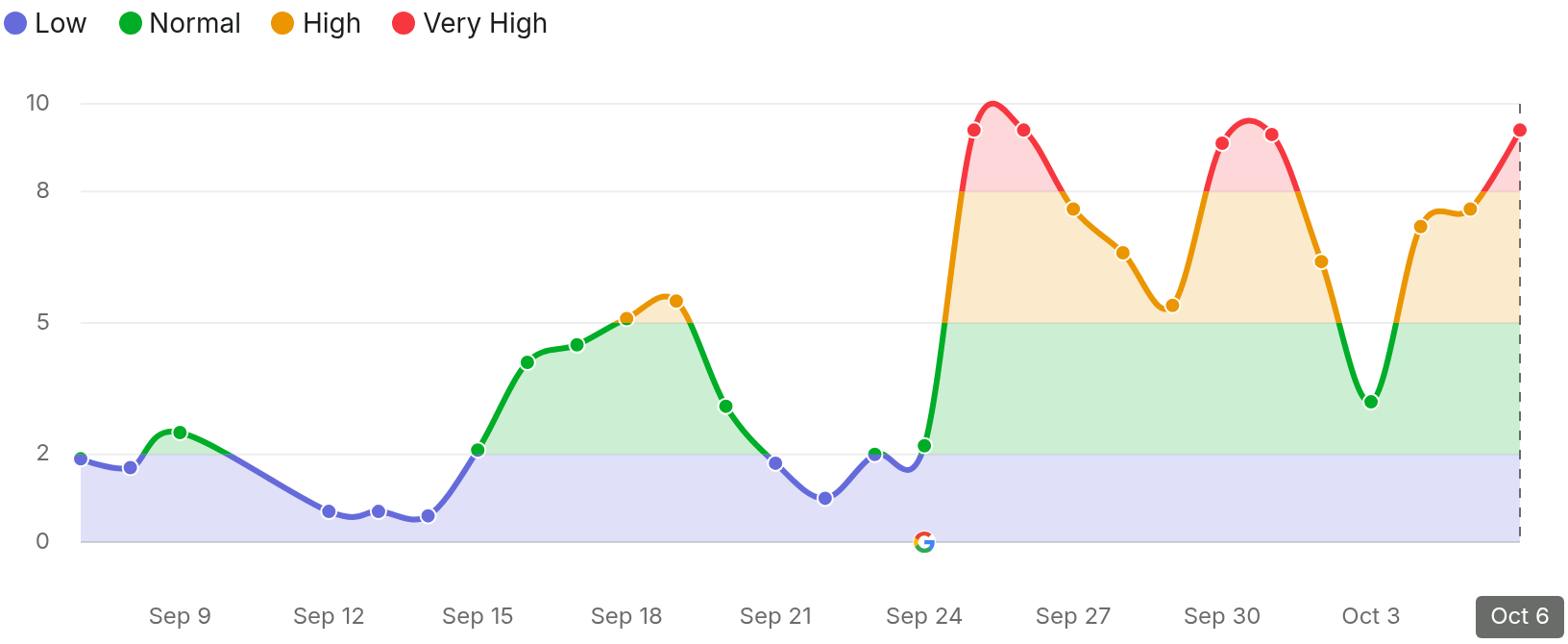
Google’s final phase of the September 2026 spam update rolled out between Oct 4‑6, likely triggering one last wave of SERP volatility. Local business owners and marketers should act now to protect AI‑driven search visibility.
Key Highlights
- ✓Final phase of Google’s September 2026 spam update rolls out Oct 4‑6.
- ✓AI tools like ChatGPT and Gemini will pull citations from Google’s cleaned index.
- ✓E‑E‑A‑T (Experience, Expertise, Authority, Trust) signals are now stricter.
- ✓Immediate content, backlink, and schema audits can prevent ranking loss.
What Happened
On October 4‑6, 2026, Google launched the final phase of its September 2026 spam update. After weeks of incremental tweaks, this last wave aims to finish the algorithm’s sweep of low‑quality, deceptive, or spammy pages. Observers on Search Engine Roundtable note that the rollout is “pretty much done,” though a brief spike in ranking volatility may still appear as the changes settle.
The update supports Google’s broader push to keep search results relevant, especially now that AI assistants such as ChatGPT, Perplexity, Gemini, and Google AI Overviews draw answers directly from SERPs. In practice, a site that lacks trust signals can disappear from the snippets these tools present.
Key Details
- Rollout window: October 4 – 6, 2026 (global, with regional timing variations).
- Primary targets:
- Thin or duplicated content that adds little value.
- Keyword stuffing and hidden text.
- Manipulative link schemes and paid reviews.
- Sites built mainly to funnel traffic to affiliate offers without original insight.
- New signals:
- A stricter E‑E‑A‑T (Experience, Expertise, Authority, Trust) metric that evaluates author bios and citation quality.
- Better detection of AI‑generated text that lacks factual grounding or proper sourcing.
- Impact timeline:
- Day 1‑2: Noticeable ranking swings for many small‑ to‑mid‑size sites.
- Day 3‑7: Stabilization as Google’s crawlers re‑index updated pages.
- Beyond Day 7: Longer‑term ranking shifts based on how well sites meet the new quality thresholds.
What It Means For Your Business
1. **Your AI‑Search Visibility Is At Stake**
AI assistants now pull concise answers from Google’s index. If your local‑business page is flagged as spam, those assistants won’t cite you, cutting off a fast‑growing traffic channel.
2. **Content Quality Must Be Proven, Not Assumed**
Even a well‑written blog post can be penalized if it lacks author expertise or credible citations. Adding a short author bio, linking to reputable sources, and ensuring each page satisfies a clear user intent are now non‑negotiable.
3. **Backlink Health Still Matters**
Spam‑focused link audits remain essential. Remove or disavow low‑quality links, especially those from link farms or paid networks, and replace them with genuine local citations—chambers of commerce, industry directories, and reputable news outlets.
4. **Technical Hygiene Can Save Rankings**
- Verify that robots.txt isn’t blocking important pages.
- Keep structured data (LocalBusiness schema) accurate; AI tools use this markup to generate business summaries.
- Fix crawl errors in Google Search Console promptly.
5. **Take Immediate Action**
| Action | Why | How |
|--------|-----|-----|
| Audit content | Remove thin or duplicate pages | Use tools like Screaming Frog or Ahrefs to flag low‑word‑count pages |
| Add expertise signals | Boost E‑E‑A‑T for AI citations | Publish author bios, link to LinkedIn, include credentials |
| Clean backlinks | Prevent spam link penalties | Run a backlink report, disavow harmful links via Google Search Console |
| Update schema | Help AI tools surface your business | Add or refresh LocalBusiness, Review, and OpeningHours schema |
| Monitor volatility | Spot unexpected drops early | Track rankings daily for 2‑3 weeks post‑update |
Treat the final spam update as a quality checkpoint; doing so positions your business to thrive in both traditional SERPs and the emerging AI‑driven search landscape.
Quick Checklist for Small Businesses
- ✅ Content audit: Remove or improve thin pages.
- ✅ Author credibility: Add bios with real‑world experience.
- ✅ Citations: Secure links from reputable local sources.
- ✅ Technical SEO: Fix crawl errors, update schema, ensure mobile‑friendliness.
- ✅ Monitoring: Set up daily rank alerts for core keywords.
Implement these steps within the next week to ride out the final volatility and emerge stronger.
Bottom Line
The September 2026 spam update is wrapping up, and the final phase will likely be the last major shake‑up of the year. For local businesses that rely on AI‑driven search to attract customers, the stakes are higher than ever. Focus on genuine expertise, clean backlinks, and solid technical foundations to keep your brand visible when AI assistants answer the next “near me” query.
Stay Ahead
VisibilityAI offers a free audit for local businesses to assess E‑E‑A‑T, schema health, and backlink quality. Reach out today to ensure your business stays cited by the AI tools that are reshaping how customers discover you.
Why It Matters: For small and local businesses, the way customers find you is shifting from classic Google searches to AI‑driven assistants that summarize web content. These assistants rely on Google’s index to pull trusted answers. If the September 2026 spam update flags your site as low‑quality, AI tools will simply skip you, cutting off a fast‑growing source of foot traffic and leads.
Moreover, the update’s emphasis on E‑E‑A‑T means that merely having a website is no longer enough. You must prove real expertise and trustworthy citations. This aligns directly with VisibilityAI’s mission: helping businesses get discovered and cited by AI. By cleaning up spam, Google is raising the bar for the content AI systems consider reliable, making it essential for owners to audit their pages, secure reputable backlinks, and implement structured data that AI can read.
In practice, the update creates a narrow window—roughly a week—where rankings can swing dramatically. Acting now to address potential spam signals not only safeguards your current traffic but also positions your brand to be the go‑to answer when a consumer asks an AI assistant, “Find me a good coffee shop near me.” The businesses that meet the new quality standards will dominate that AI‑first discovery space.
Why This Matters For Your Business
The shift from traditional Google searches to AI‑driven assistants is reshaping how local customers discover businesses. Because most assistants pull answers from Google’s index, any site downgraded by the September 2026 spam update is effectively invisible to a growing segment of search traffic. The update’s focus on stricter E‑E‑A‑T signals forces businesses to prove real expertise, cite reputable sources, and maintain clean backlink profiles. Those that meet the higher bar will not only retain their organic rankings but also appear in the concise answers that AI assistants provide—an increasingly important source of leads for local enterprises.
Frequently Asked Questions
Will the spam update affect all my pages?
Only pages that violate Google’s quality guidelines—thin content, duplicate text, manipulative links, or low‑trust signals—are at risk. High‑quality, well‑cited pages should remain stable.
How can I tell if my site was hit by the update?
Check Google Search Console for sudden drops in impressions or clicks, monitor keyword rankings for a 10‑20% dip, and look for increased crawl errors or manual actions.
Do AI tools like ChatGPT use Google’s spam‑filtered results?
Yes. Most AI assistants pull data from Google’s index. If a page is de‑valued by the spam update, it’s less likely to be cited in AI‑generated answers.
Is your business showing up in AI search?
Get your free AI visibility audit - see if ChatGPT, Perplexity, and Google AI actually recommend you.