
Home / News / Google Drops Free Product Listings in the EEA – Small Biz Guide
Google Drops Free Product Listings in the EEA – Small Biz Guide
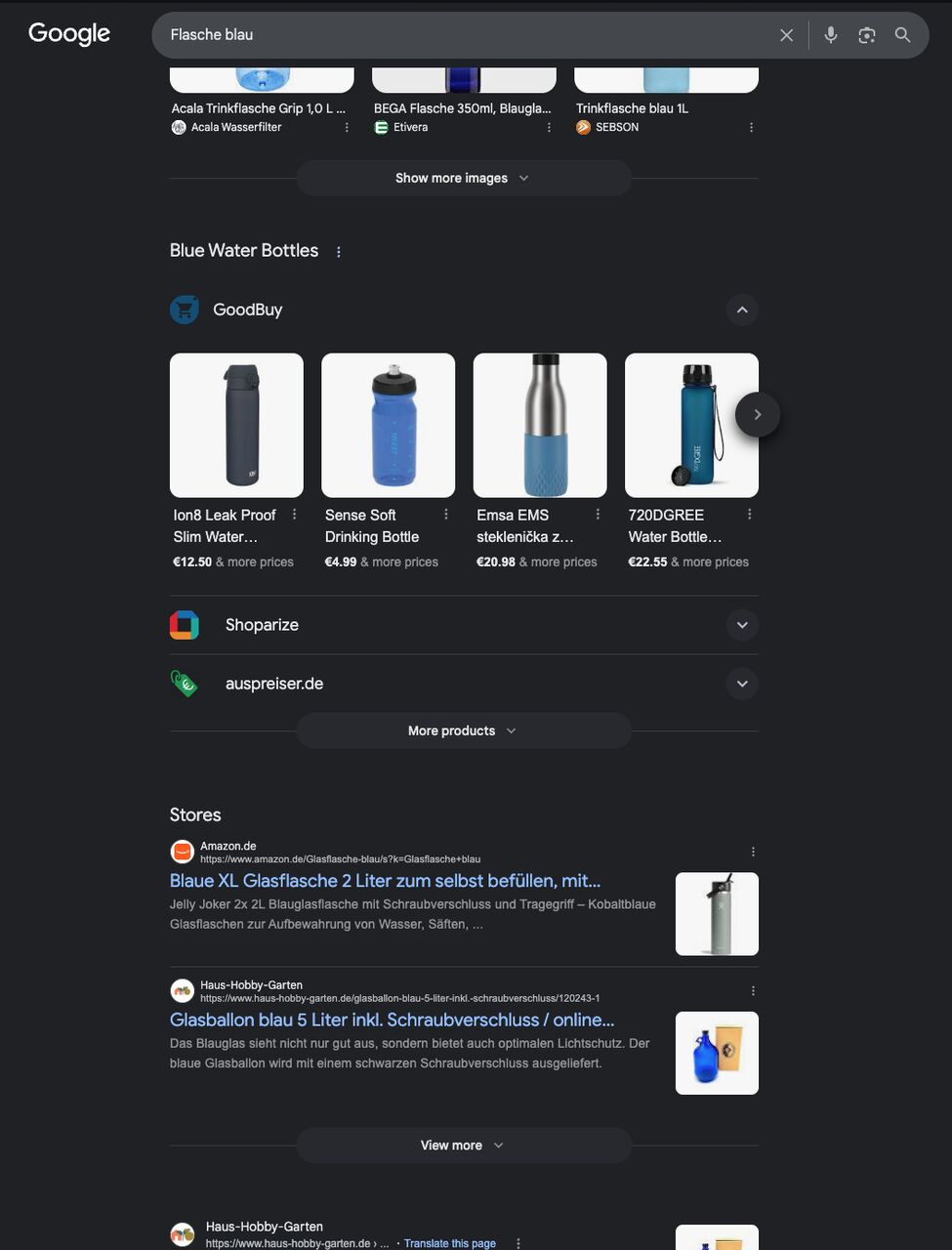
Google has removed free product listings and carousel formats from search results in the European Economic Area due to the Digital Markets Act. The shift eliminates the free rich‑snippet displays that many small retailers relied on, leaving only standard organic results and paid ads. Businesses must now adapt their SEO, paid campaigns, and citation strategies to maintain visibility.
Key Highlights
- ✓Google removes free product listings from EEA search results
- ✓Change driven by EU Digital Markets Act enforcement
- ✓Local businesses must shift focus to paid ads and SEO
- ✓AI search platforms now rely more on citations and reviews
What Happened
Google Search has removed the free product listings and carousel formats from search results in the European Economic Area (EEA). The change follows the European Commission’s enforcement of the Digital Markets Act (DMA), which targets anti‑competitive behavior by dominant platforms.
The removal means that when a local retailer or small business searches for a product on Google in the EEA, the rich‑snippet style results that once showed price, availability, and reviews no longer appear. Users now see only standard organic listings and paid ads.
Key Details
- Scope: Applies to the EEA – the United Kingdom, the European Union, Iceland, Liechtenstein, and Norway.
- Trigger: The DMA required Google to diminish the prominence of its own product data, which regulators said gave Google an unfair edge over rival merchants.
- Timeline: The change went live on September 18, 2026, and will remain in effect unless future regulation alters it.
- Documentation: Google’s Search Console Help Center includes a regional differences guide that explains the new layout and the rationale behind it.
- Impact on Visibility: Brands that depended on the free listings to dominate Google’s “shopping” carousel must now turn to paid advertising or other visibility tactics.
What It Means For Your Business
1. Rethink Your SEO Strategy
Without free product listings, climbing to the top of e‑commerce queries becomes tougher. Local businesses should:
- Implement schema markup on product pages to give search engines clearer signals.
- Prioritize high‑quality content and user‑intent keywords that attract traffic to ordinary organic results.
- Earn backlinks from reputable local sites to boost domain authority.
2. Invest in Paid Shopping Campaigns
The carousel was a cost‑effective way to reach shoppers. To fill the gap:
- Launch Google Shopping or Performance Max campaigns so your products appear in paid slots.
- Allocate budget to balance click‑through rate with conversion value.
- Regularly audit bids, product feeds, and ad creatives for optimal performance.
3. Leverage AI‑Driven Discovery Platforms
AI assistants such as ChatGPT, Perplexity, Gemini, and Google AI draw on search data to generate answers. By securing strong citations in authoritative sources, you can:
- Increase the chance that AI assistants reference your brand.
- Capture “featured snippet” spots that surface in AI responses.
- Use AI‑powered tools to audit citations and uncover gaps.
4. Strengthen Local Citations and Reviews
When free listings disappear, local search signals grow in importance. Ensure that:
- Your business name, address, and phone number (NAP) are identical across all directories.
- Satisfied customers leave reviews on Google Business Profile, Yelp, and industry‑specific sites.
- You respond to reviews to boost engagement and trust.
Bottom Line
The DMA‑driven removal of free product listings marks a major shift for small businesses in the EEA. While organic visibility for product queries may dip, the change also levels the playing field by forcing merchants to compete on merit. By updating your SEO, embracing paid ads, and sharpening citation practices, you can mitigate the impact and position your brand for success in an increasingly AI‑centric search environment.
Why This Matters For Your Business
For businesses that depend on AI‑powered assistants to funnel customers, the disappearance of free product carousels is a game‑changer. Tools like ChatGPT, Perplexity, Gemini, and Google AI pull from the same search data that once included those rich snippets; without them, your brand’s chances of appearing in AI‑generated answers drop sharply. Because the free listings are gone, local search signals become the primary way search engines and AI assistants evaluate relevance. Consistent NAP information, credible reviews, and authoritative backlinks can now tip the scales between being featured in an AI response or being completely overlooked. Strengthening these signals ensures you stay discoverable not only in traditional search results but also in the emerging AI‑driven discovery ecosystem.
Frequently Asked Questions
Why did Google remove free product listings from the EEA?
The EU Digital Markets Act required Google to reduce the prominence of its own product data, leveling the playing field for competing merchants.
How does this affect my organic search rankings?
Visibility for product queries will decline, so you need to improve schema markup, create high‑quality content, and earn backlinks to bolster organic rankings.
What immediate steps should I take?
Launch paid shopping campaigns, audit and tighten your citations, ensure NAP consistency, and use AI tools to monitor your visibility.
Is your business showing up in AI search?
Get your free AI visibility audit - see if ChatGPT, Perplexity, and Google AI actually recommend you.