
Home / News / Google Discover Tests Disabling Source Clicks – Impact on Business
Google Discover Tests Disabling Source Clicks – Impact on Business
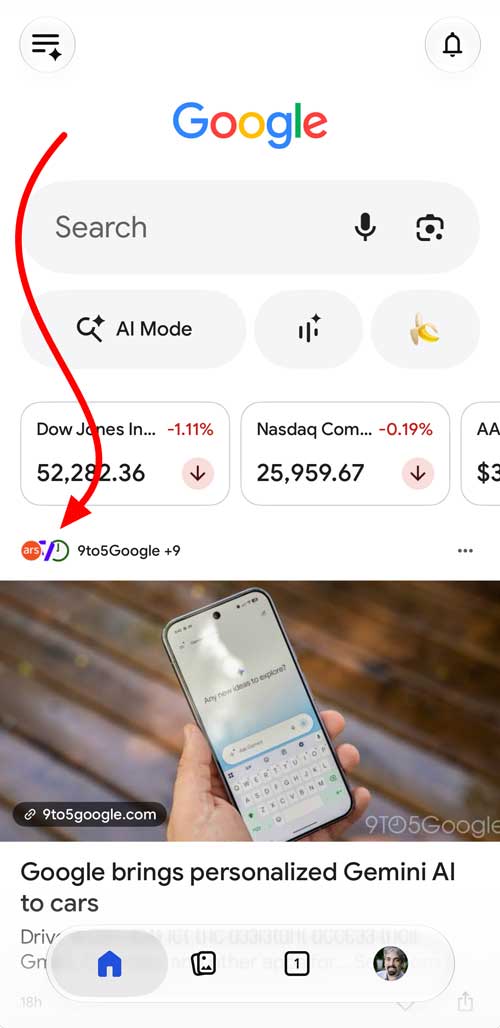
Google Discover is currently testing a user interface change that disables the 'Sources' button on article cards. Although the button remains visible, it is non‑clickable, effectively hiding the underlying list of source articles. For businesses relying on Discover for traffic and AI citation visibility, this shift could significantly alter how audiences engage with content.
Key Highlights
- ✓Google Discover is testing a non‑clickable Sources button on article cards.
- ✓The change could reduce direct referral traffic from Discover to your site.
- ✓AI tools may have fewer explicit source signals, affecting citation frequency.
- ✓Marketers should add structured citation markup and strong CTAs to compensate.
What Happened
Google is reportedly testing a modification to the Google Discover card that blocks users from tapping the “Sources” button. Typically, clicking this button reveals a screen listing every article and link the Discover card draws from, allowing readers to verify information quickly. In this specific test, the button remains visible but is non‑clickable, effectively obscuring the underlying source list from users.
This experiment appears limited to a subset of users and regions. However, the fact that Google is willing to alter such a core transparency feature suggests a strategic shift in how the company curates and presents content.
Key Details
- Scope of the test: Early reports suggest the change is being rolled out to a small percentage of Discover users, primarily in the United States, with the possibility of expanding globally.
- User experience impact: Users will still see the Sources label, but tapping it does nothing. This removes the instant path to the original articles and may increase reliance on the Discover summary itself.
- Potential reasons: Google may be aiming to reduce clutter, protect copyrighted content, or streamline the UI for mobile users. It could also be a response to partner feedback about brand exposure.
- Timeline: No official comment from Google yet; the test could be short‑lived or evolve into a permanent feature.
What It Means For Your Business
1. **Reduced Direct Traffic From Discover**
With the Sources button functional, savvy readers frequently click through to the original site, generating referral traffic. If that pathway is blocked, your Discover‑driven clicks may drop, particularly for articles that rely on source credibility to attract clicks.
2. **Citation Visibility in AI Tools**
VisibilityAI helps local businesses get cited by AI assistants like ChatGPT, Perplexity, Gemini, and Google AI Overviews. These tools scrape the web and often prioritize source‑rich pages. If Discover hides source links, AI models may have fewer explicit signals to associate your brand with the original content, potentially lowering citation frequency.
3. **Brand Authority Signals Change**
The Sources list acts as a trust badge, demonstrating that your content is part of a broader news ecosystem. Removing that badge could make it harder for users and algorithms alike to assess the authority of your piece, influencing click‑through rates and ranking signals.
4. **Opportunity to Adapt Your Strategy**
- Boost on‑page SEO: Ensure the article contains clear, structured citations (e.g., schema.org
citationmarkup) so AI tools can still identify your content as a source. - Leverage Rich Snippets: Use FAQ, How‑To, and List schemas to increase the chance of appearing directly in AI answer panels.
- Encourage Direct Sharing: Add prominent social‑share buttons and CTAs that invite readers to visit your site, compensating for the lost Sources click.
- Monitor Discover Performance: Use Google Search Console’s Discover report to track impressions and clicks before, during, and after the test.
5. **Local Business Implications**
For small, location‑specific businesses, Discover can be a powerful discovery channel. If the Sources link is disabled, local users may stay within the Discover feed rather than visiting the business website, reducing opportunities for calls, bookings, or foot traffic.
6. **Stay Ahead of AI Citation Trends**
AI assistants increasingly pull from trusted, well‑cited sources. By proactively embedding citation metadata and maintaining a strong backlink profile, you can safeguard your brand’s presence in AI‑generated answers, even if Discover’s UI changes.
Action Checklist for Marketers
- Audit your high‑performing Discover articles for on‑page citation markup.
- Add clear, compelling CTAs that don’t rely on the Sources button.
- Track Discover metrics in Search Console weekly.
- Update your content strategy to include structured data that AI can read directly.
- Communicate the change to your SEO team and adjust reporting dashboards accordingly.
By anticipating the impact and adapting early, you can turn a potential traffic dip into a chance to strengthen your brand’s AI visibility.
---
Bottom line: Google’s test may seem minor, but for businesses that depend on Discover for exposure and AI citation, the ripple effects could be significant. Stay vigilant, optimize your on‑page citations, and keep your audience engaged through direct calls to action.
Why It Matters
For businesses that rely on Google Discover to attract new customers, the ability to click through to source articles has been a subtle but valuable traffic source. When that pathway disappears, the funnel narrows, and fewer visitors land on the original site. This matters even more for local and small businesses that depend on every click to generate leads, phone calls, or foot traffic.
In the age of AI‑driven search, citation visibility is a ranking factor for tools like ChatGPT and Google AI Overviews. Those assistants look for well‑cited, authoritative content to surface in answers. If Discover hides source links, AI models may have less context to recognize your content as a credible source, potentially reducing the number of times your business is cited in AI‑generated responses. By proactively embedding citation metadata and strengthening on‑page authority, you can mitigate this risk and keep your brand in the AI conversation.
FAQs
- Question: Will the Sources button be removed permanently?
Answer: Google has not confirmed a permanent removal. The feature is currently in a limited test, and the company may roll it back or adjust it based on user feedback.
- Question: How can I track the impact on my Discover traffic?
Answer: Use the Discover report in Google Search Console. Compare impressions, clicks, and click‑through rates before, during, and after the test period.
- Question: What can I do to maintain AI citation visibility?
Answer: Add structured citation markup (schema.org), use rich snippets, and ensure your content includes clear, verifiable references. This helps AI models identify your page as a trusted source even without a clickable Sources button.
Why This Matters For Your Business
For businesses that rely on Google Discover to attract new customers, the ability to click through to source articles has been a subtle but valuable traffic source. When that pathway disappears, the funnel narrows, and fewer visitors land on the original site. This matters even more for local and small businesses that depend on every click to generate leads, phone calls, or foot traffic. In the age of AI‑driven search, citation visibility is a ranking factor for tools like ChatGPT and Google AI Overviews. Those assistants look for well‑cited, authoritative content to surface in answers. If Discover hides source links, AI models may have less context to recognize your content as a credible source, potentially reducing the number of times your business is cited in AI‑generated responses. By proactively embedding citation metadata and strengthening on‑page authority, you can mitigate this risk and keep your brand in the AI conversation.
Frequently Asked Questions
Will the Sources button be removed permanently?
Google has not confirmed a permanent removal. The feature is currently in a limited test, and the company may roll it back or adjust it based on user feedback.
How can I track the impact on my Discover traffic?
Use the Discover report in Google Search Console. Compare impressions, clicks, and click‑through rates before, during, and after the test period.
What can I do to maintain AI citation visibility?
Add structured citation markup (schema.org), use rich snippets, and ensure your content includes clear, verifiable references. This helps AI models identify your page as a trusted source even without a clickable Sources button.
Is your business showing up in AI search?
Get your free AI visibility audit - see if ChatGPT, Perplexity, and Google AI actually recommend you.