
Home / News / Breaking SEO and PPC Silos: Unlocking Unified AI Search Growth
Breaking SEO and PPC Silos: Unlocking Unified AI Search Growth
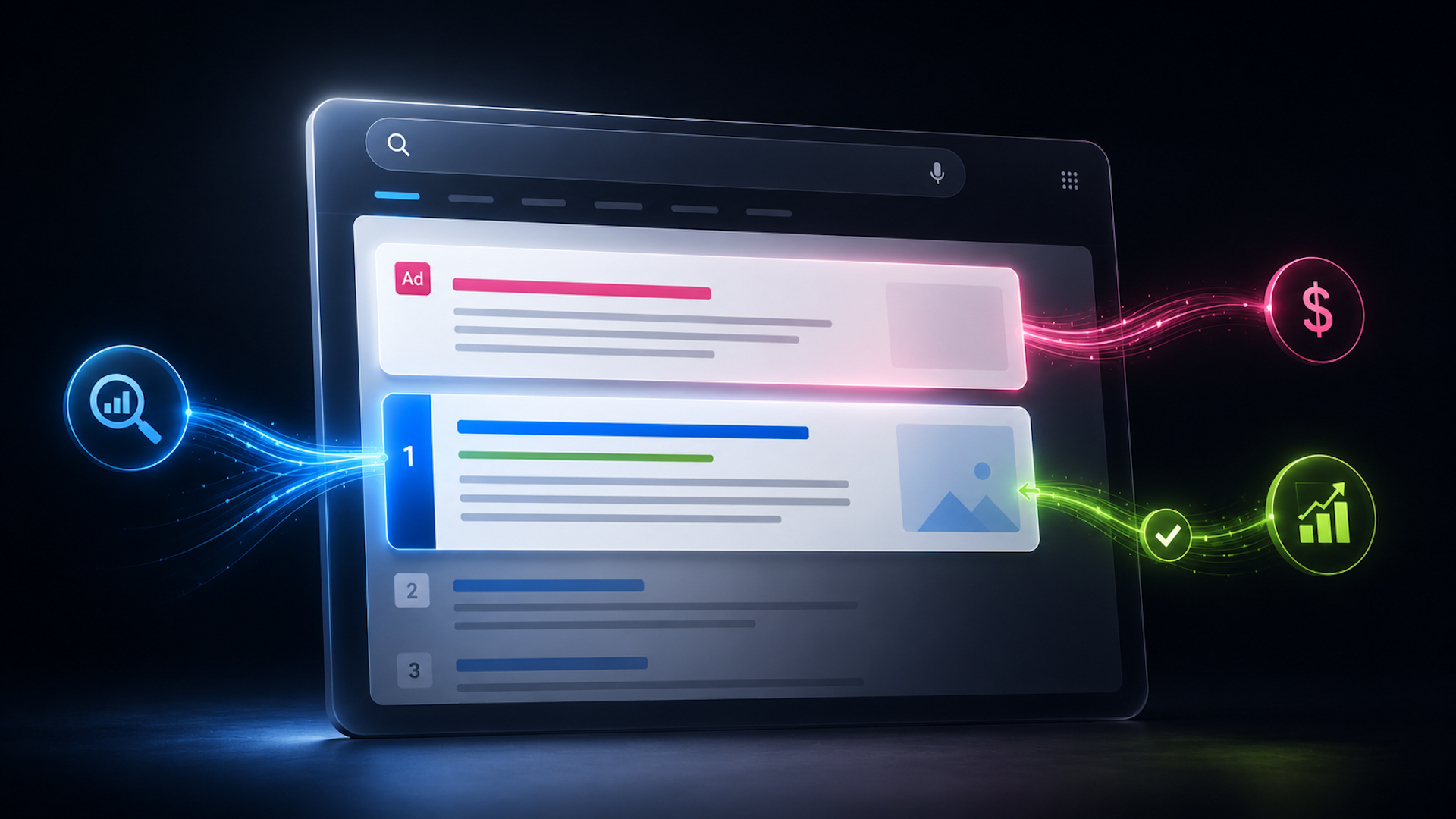
Operating SEO and PPC in separate silos wastes marketing spend, muddles messaging, and leaves valuable search demand on the table. By merging paid and organic search data, businesses can forge a unified search strategy that wins real estate across traditional search engines and generative AI answer platforms.
Key Highlights
- ✓Most businesses operate separate SEO and PPC channel plans rather than one unified search strategy.
- ✓PPC search-term reports hold validated conversion data that can dramatically accelerate organic content ROI.
- ✓Bidding blindly on terms where a site already dominates organically drains budgets that could fund growth.
- ✓A unified search approach provides the consistent brand signals required to get cited in generative AI answers.
What Happened
For years, digital marketing teams have run Search Engine Optimization (SEO) and Pay-Per-Click (PPC) campaigns as if they were entirely unrelated disciplines. But as recent reporting from Search Engine Land points out, managing two separate search channels is not the same thing as having an actual search strategy.
In most companies, SEO specialists concentrate on organic rankings and traffic volume, while paid search managers obsess over cost-per-click (CPC), conversion rates, and return on ad spend (ROAS). Because each camp reports on isolated KPIs and guards its own budget, they rarely coordinate roadmaps or swap data. This division leaves both teams operating in the dark, sitting on critical performance insights that could make the other far more effective.
Key Details
This operational disconnect hurts more than just internal collaboration. When paid and organic teams work in silos, companies run into several compounding problems:
- Cannibalized Ad Budgets: Brands routinely spend top-dollar PPC budgets bidding on brand terms or keywords where they already dominate the #1 organic spot. That spend delivers negligible incremental value while starving other high-potential campaigns of capital.
- Trapped Conversion Intelligence: PPC campaigns generate immediate, detailed search-query logs showing which exact phrases generate revenue. Without sharing this pipeline with SEO, content writers spend months targeting low-intent keywords while bypassing verified revenue drivers.
- Slow Organic Testing: Validating content through SEO alone often takes months. Paid ad testing lets marketing teams test headline variations, meta descriptions, and core value propositions within days before rolling them out across organic assets.
- Inconsistent User Journeys: A potential buyer researching solutions often encounters mismatched messaging across sponsored links, organic snippets, and generative AI summaries. That friction undermines brand trust and lowers final conversion rates.
What It Means For Your Business
With generative discovery tools like Google AI Overviews, Perplexity, ChatGPT, and Gemini upending how prospects find answers, running search channels in isolation has become an expensive liability.
Forward-looking business owners can turn cross-channel integration into an immediate edge through three practical steps:
1. Turn Paid Search Query Data into AI Content Priorities
PPC search-query reports show the precise, conversational phrasing real buyers type before purchasing. Rather than guessing how users phrase prompts for AI assistants, your SEO and content teams can use live PPC conversion data to build comprehensive FAQs, direct comparison pages, and authoritative guides engineered to earn citations in AI answer engines.
2. Audit and Reallocate Overlapping Keywords
Map your paid and organic footprints against each other. If your domain comfortably holds position one or two organically with dependable click-through rates, experiment with lowering or pausing bids on those exact-match terms. Redirect the reclaimed budget toward competitive, high-intent conversational searches where your organic footprint has not yet taken hold.
3. Build Unified Entity Authority for AI Overviews
Generative AI models rely on consistent signals across the web to evaluate whether your business is trustworthy. Aligning your paid messaging, organic landing pages, Google Business Profile, and digital PR creates unambiguous entity signals. That unified footprint significantly improves your chances of being surfaced, recommended, and cited when prospects turn to AI engines for vendor recommendations or industry solutions.
Why This Matters For Your Business
AI search platforms like ChatGPT, Perplexity, and Google AI Overviews do not separate your business into 'paid' and 'organic' buckets. These models look at your overall digital footprint—evaluating topical authority, consistent messaging, and demonstrated customer trust across the web. If your PPC team gathers valuable conversational query data while your SEO team remains tethered to legacy keyword lists, your content will miss the natural-language prompts users actually feed into AI assistants. Bridging this data divide helps you quickly spot high-converting questions and produce the authoritative material AI models reference. Ultimately, aligning paid and organic efforts shifts your organization away from simply purchasing disconnected clicks and toward establishing an authoritative brand that generative search engines actively choose to recommend.
Frequently Asked Questions
How does PPC data help my business rank in AI search engines?
PPC search-term reports capture the exact, natural-language phrases and long-tail questions that lead to actual sales. Handing this data directly to your SEO and editorial teams allows them to publish resources that directly mirror the complex prompts buyers type into tools like ChatGPT and Perplexity.
Should we completely stop running PPC ads on terms where we rank #1 organically?
Not necessarily. While paying for clicks you already earn organically can waste money, brand ads often defend your position against rivals bidding on your trade name. Run incrementality tests first to verify whether pausing bids causes an unacceptable drop in total conversions.
What is the simplest way to start unifying SEO and PPC?
Set up a monthly sync between your paid and organic search leads. Have your PPC team share their top 20 converting search terms to steer SEO content creation, while your SEO team flags sudden organic ranking drops where paid ads can temporarily step in to protect lead generation.
Is your business showing up in AI search?
Get your free AI visibility audit - see if ChatGPT, Perplexity, and Google AI actually recommend you.