Home / News / Bing Tests Favicons on Shopping Ads Carousel – Impact for Small Biz
Bing Tests Favicons on Shopping Ads Carousel – Impact for Small Biz
Microsoft is piloting favicons alongside site names in Bing's shopping‑ads carousel. The visual tweak gives brands a quick, recognizable cue that could boost click‑through rates and improve AI‑driven citations. Small businesses should verify their favicon and monitor performance while the test runs.
Key Highlights
- ✓Bing adds favicons to shopping ads carousel for visual distinction
- ✓Favicons can improve brand trust and click‑through rates
- ✓AI assistants may cite brands more accurately when favicons are present
- ✓Small businesses should audit and update their site favicons now
What Happened
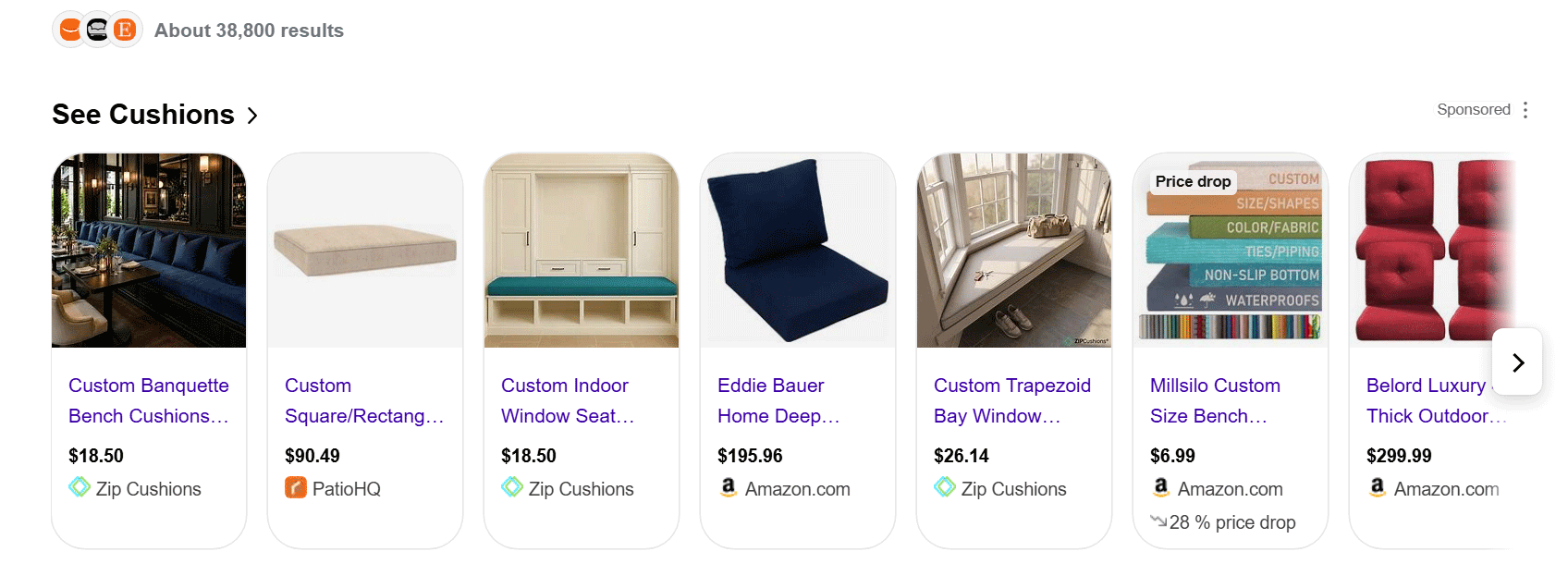
Microsoft announced that it is testing the addition of favicons to the Bing shopping ads carousel. Until now, the carousel showed only the plain‑text domain next to each product. In the experiment, a tiny icon—the same one that appears in browser tabs—will sit directly before the site name, offering users an instant visual cue.
The rollout is still early and limited to a small group of advertisers and search queries. Bing has not set a date for a full deployment, but the change signals a broader push toward more visually engaging and AI‑friendly search ads.
Key Details
- What changes?
- Favicons appear to the left of the domain name on carousel product cards.
- All other elements—price, product image, call‑to‑action—stay the same.
- Who sees it?
- The test runs for a subset of Bing users in selected regions.
- Both paid and organic shopping listings could be affected, though the primary focus is on paid carousel ads.
- Why now?
- Visual cues help shoppers spot trusted brands faster, reducing decision fatigue.
- As AI tools like ChatGPT and Gemini draw from search results, recognizable icons may improve how a brand is referenced in AI‑generated answers.
- How to prepare?
- Make sure your website’s favicon is clear, on‑brand, and correctly linked in the HTML <head>.
- Review your Bing Shopping campaigns for compliance and optimal performance.
What It Means For Your Business
Boosted Brand Recognition
A favicon works like a mini‑logo placed in a high‑visibility ad slot. For a small boutique competing against national chains, that extra visual cue can tip the scales. When a shopper spots a familiar icon, trust rises and the likelihood of a click improves.
Potential Click‑Through Rate (CTR) Gains
Research on SERP snippets shows that adding visual elements—images, star ratings, icons—can lift CTR by 5‑15%. Bing has not yet released official numbers for this test, but early anecdotal feedback from advertisers points to a modest uptick in engagement.
Better AI Citation Opportunities
AI assistants such as ChatGPT, Perplexity, and Google’s AI Overviews scrape search results to craft answers. A visible favicon helps the AI associate a product with its merchant, leading to more accurate citations and increasing the chance your business appears as a trusted source in AI‑driven conversations.
Competitive Edge in Local Search
If you run a local or niche store, a recognizable favicon can set you apart from generic competitors. In a carousel that may list dozens of similar items, the icon acts as a quick visual shortcut for shoppers.
Action Steps for Small Businesses
1. Audit Your Favicon
- Confirm the file is a square, 32 × 32 px PNG or ICO.
- Choose a simple design that mirrors your brand’s colors and logo.
2. Update the HTML
html
<link rel="icon" href="/favicon.ico" type="image/x-icon">
- Place this tag inside the <head> of every page.
3. Monitor Bing Performance
- Use Bing Ads reporting to track impressions, CTR, and conversions.
- Compare metrics from before and after the favicon appears.
4. Leverage AI Tools
- Submit your product feed to platforms like VisibilityAI so the AI can pull your updated branding.
- Encourage customers to mention your brand in reviews; AI often lifts brand mentions into citations.
5. Stay Informed
- Follow Bing’s webmaster blog and Search Engine Roundtable for rollout updates.
- If resources allow, A/B test alternative favicon designs.
Bottom Line
A favicon may be a tiny graphic, but its placement in Bing’s shopping carousel could have outsized effects on brand visibility, click‑through performance, and AI citation. Small businesses that act now—by ensuring a clean, on‑brand favicon and monitoring results—will be ready to capitalize on this emerging visual cue.
FAQs
- Will the favicon appear in organic Bing shopping results?
- The current test focuses on paid carousel ads, but Bing could extend the feature to organic listings later.
- Do I need to pay extra for the favicon to show?
- No. Bing automatically pulls the favicon from your site’s code; there is no additional charge.
- How long will the test run?
- Microsoft has not announced an end date. Tests typically run for several weeks to a few months before a rollout decision.
Why This Matters For Your Business
In an era where AI‑driven search answers draw from the same SERPs humans see, visual branding is no longer optional. A recognizable favicon helps AI models link a product to its merchant, increasing the odds that your business will be cited as a credible source. For small and local firms, those extra citations can translate into more organic traffic and higher‑quality leads. The shopping carousel occupies premium real estate on Bing’s results page. By adding a small but distinct icon, Bing gives merchants a chance to stand out without altering ad copy. That subtle visual cue can cut through text‑heavy listings, potentially boosting click‑through rates and delivering a better return on ad spend. Brands that proactively manage visual assets—favicons, logos, structured data—will be better positioned for future algorithm updates and AI integrations.
Frequently Asked Questions
Will the favicon appear in organic Bing shopping results?
The current test is limited to paid carousel ads, but Bing may later extend the feature to organic listings.
Do I need to pay extra for the favicon to show?
No. Bing automatically pulls the favicon from your site’s HTML; there is no additional cost.
How long will the test run?
Microsoft has not set a public end date; typical tests run several weeks to a few months before a rollout decision.
Is your business showing up in AI search?
Get your free AI visibility audit - see if ChatGPT, Perplexity, and Google AI actually recommend you.