
Home / News / Bing Introduces “Recommended By” Product Section – What It Means for Small Businesses
Bing Introduces “Recommended By” Product Section – What It Means for Small Businesses
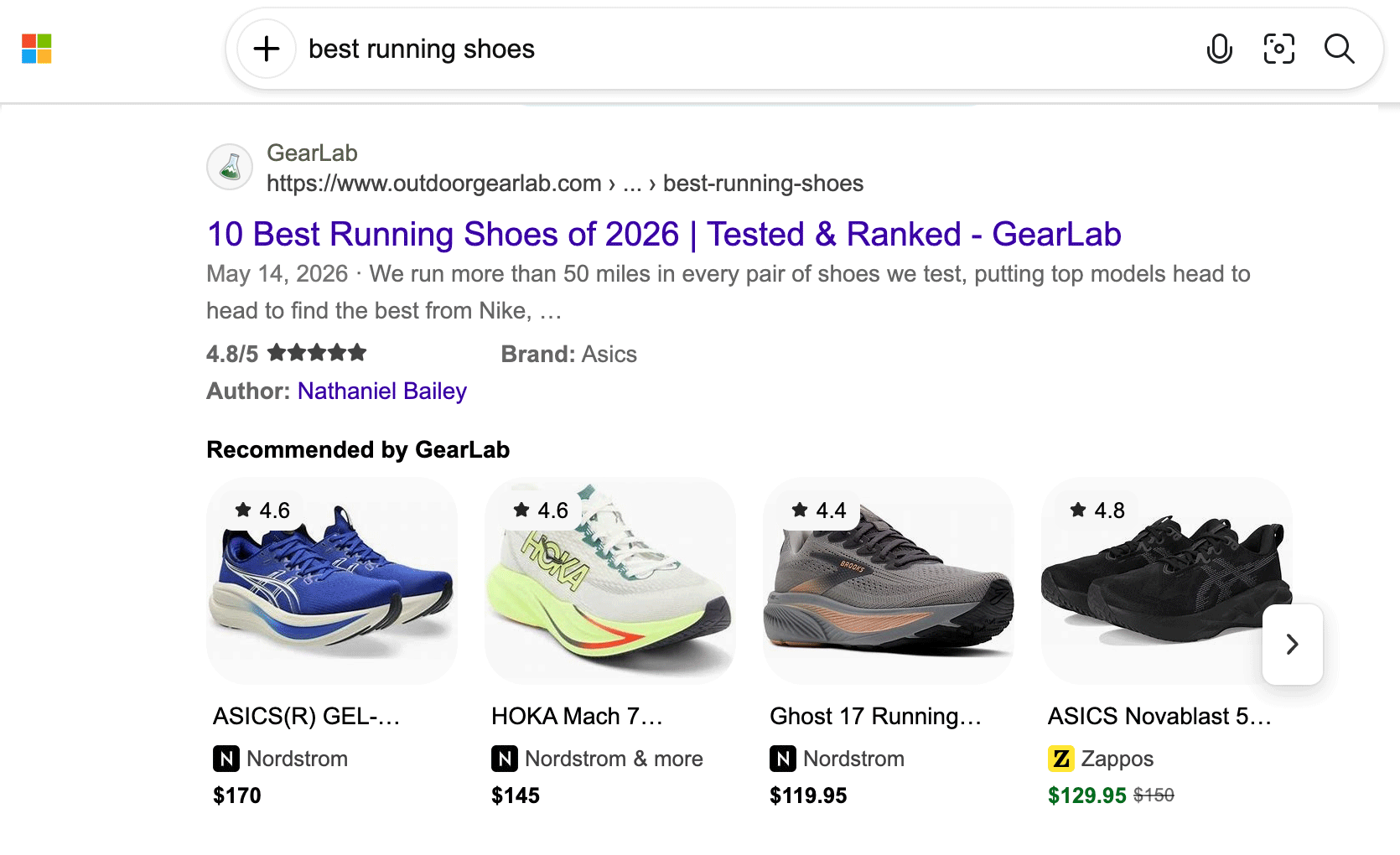
Microsoft Bing is piloting a “Recommended by” product strip that tags items with the name of a recommending brand, but sends users straight to a retailer’s page. The experiment could shift how local businesses appear in AI‑driven search results and influence brand visibility.
Key Highlights
- ✓Bing’s new ‘Recommended by’ section shows brand names but links to retailers.
- ✓The feature is in test mode and may affect AI‑driven search results.
- ✓Proper Schema markup can increase chances of being featured.
- ✓Strategic retailer partnerships can turn brand mentions into sales.
What Happened
Microsoft Bing has introduced a test feature in its search results called “Recommended by”. When a shopper looks up a product, a new row of thumbnails appears beneath the standard listings. Each thumbnail carries a label such as "Recommended by BestBuy" or "Recommended by Target".
The twist is that clicking the image does not take you to the recommender’s site. Instead, the link jumps directly to a retailer that sells the item—often a third‑party marketplace or an online store that has no direct affiliation with the brand that issued the recommendation. The layout mimics the social‑proof style seen on Instagram or TikTok, where a brand’s endorsement can funnel traffic to a different seller.
Key Details
- Test Phase: Bing marks the feature as a test, so it may only appear for a subset of users and could evolve based on feedback.
- Brand Attribution: The recommending brand’s name is displayed prominently, but the clickable image leads to a retailer’s product page.
- Retailer Variety: Links point to a mix of large e‑commerce sites (Amazon, Walmart) and niche specialty stores.
- No Direct Affiliate Disclosure: Bing does not currently indicate whether the recommendation is paid, editorial, or algorithmic.
- Potential AI Integration: The feature aligns with Bing’s broader push to feed AI tools (ChatGPT, Gemini, Perplexity) with structured product data.
What It Means For Your Business
1. **Visibility Shifts From Brand to Retailer**
If your brand appears in the Recommended by line, the headline spotlights your name, yet the click‑through traffic ends at the retailer. This can dilute direct engagement, but it also creates product‑level citations that AI models may surface when users ask, for example, "best laptops recommended by Dell."
2. **Opportunity for Strategic Partnerships**
Small businesses can negotiate placement with the retailers that show up in this strip. By ensuring your products are listed on high‑traffic marketplaces, you raise the odds that Bing will cite your brand as a recommender.
3. **Impact on AI‑Driven Search**
AI assistants harvest structured data from search engines. When Bing tags a product with a Recommended by label, that metadata can be ingested by tools like ChatGPT’s browsing plugin or Google AI Overviews. Being named as a recommender could expand your brand’s AI‑search footprint, even though the final purchase may happen elsewhere.
4. **Need for Clear Schema Markup**
Make sure your product pages contain Schema.org markup for Product, Offer, and Brand. Accurate markup helps Bing associate your brand with the item, increasing the chance of appearing in the new section.
5. **Monitor Performance**
If you can add UTM parameters to retailer links, track referral traffic in Google Analytics. Compare brand‑search volume before and after the feature appears to gauge its impact.
Actionable Steps for Local Businesses
- Audit Your Structured Data: Use Bing’s Webmaster Tools to test rich results and fix any errors.
- Strengthen Retail Partnerships: List your inventory on platforms that Bing frequently pulls from (Amazon, Walmart, Shopify stores).
- Leverage Reviews: Encourage customers to leave reviews on retailer sites; positive sentiment can influence Bing’s recommendation algorithm.
- Create a “Recommended By” Page: Showcase any endorsements or collaborations on your own site to reinforce brand authority.
- Stay Informed: Follow Bing’s announcements and monitor the Search Engine Roundtable for updates on the test’s rollout.
Bottom Line
The Recommended by product strip is a subtle but powerful shift in how search engines surface commerce. For local and small businesses, it offers a new avenue to appear in AI‑driven answers—provided you align product data, retail relationships, and brand messaging with Bing’s emerging format.
---
Key Takeaways
- Bing’s test highlights brand names but links to retailers.
- AI tools may ingest the recommendation metadata, boosting brand visibility.
- Structured data and retailer partnerships are essential for inclusion.
- Track referral traffic to understand the real impact on sales.
- Stay agile; the feature could become a permanent SERP element.
Why It Matters: For businesses trying to get found by AI search tools, the Recommended by label acts as a new signal that AI models can surface in response to natural‑language queries. When a user asks, "What laptops are recommended by Dell?" an AI assistant may pull Bing’s structured data and cite your brand, even if the purchase happens on Amazon. This indirect citation can lift brand authority without a direct ad spend.
Moreover, as AI assistants become the primary gateway to product discovery, the traditional SEO focus on exact‑match keywords is expanding to include entity recognition and relationship mapping. Being named as a recommender positions your business as an authority in its niche, which can improve rankings in AI‑generated overviews and conversational answers. In short, the feature provides a low‑cost, high‑impact way to embed your brand into the next generation of search.
Why This Matters For Your Business
The *Recommended by* label gives brands a fresh way to appear in AI‑driven answers, even when the actual purchase occurs on a different site. By surfacing a brand’s endorsement as structured metadata, search engines and chat assistants can cite that brand when users ask natural‑language questions, extending visibility beyond traditional keyword rankings. As AI assistants increasingly serve as the first point of contact for product research, search strategies are shifting toward entity recognition and relationship mapping. Being listed as a recommender signals authority, helping businesses rank higher in AI‑generated overviews and conversational snippets without paying for ads. This indirect exposure can boost brand credibility and drive traffic, making the test especially relevant for small and local firms looking to stay competitive in an AI‑centric search landscape.
Frequently Asked Questions
Will my brand automatically appear in the ‘Recommended by’ section?
No. Bing selects brands based on its own relevance signals and data. Optimizing structured data and maintaining strong retailer listings can improve your chances.
Can I control which retailer the product link points to?
Direct control is limited. However, ensuring your products are listed on preferred retailers and using consistent identifiers (SKU, GTIN) can influence Bing’s selection.
How can I track the impact of this feature on my business?
Monitor brand‑search volume in Bing Webmaster Tools, add UTM parameters to retailer links where possible, and compare referral traffic and sales before and after the feature appears.
Is your business showing up in AI search?
Get your free AI visibility audit - see if ChatGPT, Perplexity, and Google AI actually recommend you.